Africa
UNESCO World Heritage Sites in Tanzania
Tanzanian World Heritage Sites · UNESCO sites in Tanzania map · historical landmarks in Tanzania
Tanzania has 8 sites on the UNESCO World Heritage List — 3 cultural, 4 natural and 1 mixed inscriptions, inscribed between 1979 and 2006. This map of UNESCO sites in Tanzania covers every listing, with a short description, the inscription year and the nearest airports — the fastest way to see the country's most important historical sites and landmarks in one place.
Tanzanian World Heritage Sites range from Kilimanjaro National Park onwards; Ngorongoro Conservation Area was the country's first inscription, added in 1979; Kondoa Rock-Art Sites is the most recent, listed in 2006; recurring threads across the list include ancient civilizations, sacred mountains and volcanoes nature.
Start with Kilimanjaro National Park, Kondoa Rock-Art Sites and Mount Kilimanjaro, then use the map above to plan a route between the rest.
- Sites
- 8
- Cultural
- 3
- Natural
- 4
- Mixed
- 1
- First inscribed
- 1979
Sites on the map
Flying in
Airports closest to the most sites in this country.
- ASVOl Tukai2 sites
- DODDodoma1 site
- ARKArusha1 site
- MYWMtwara1 site
- DARDar es Salaam1 site
- MRESerena1 site
Keep exploring
All 8 sites in Tanzania



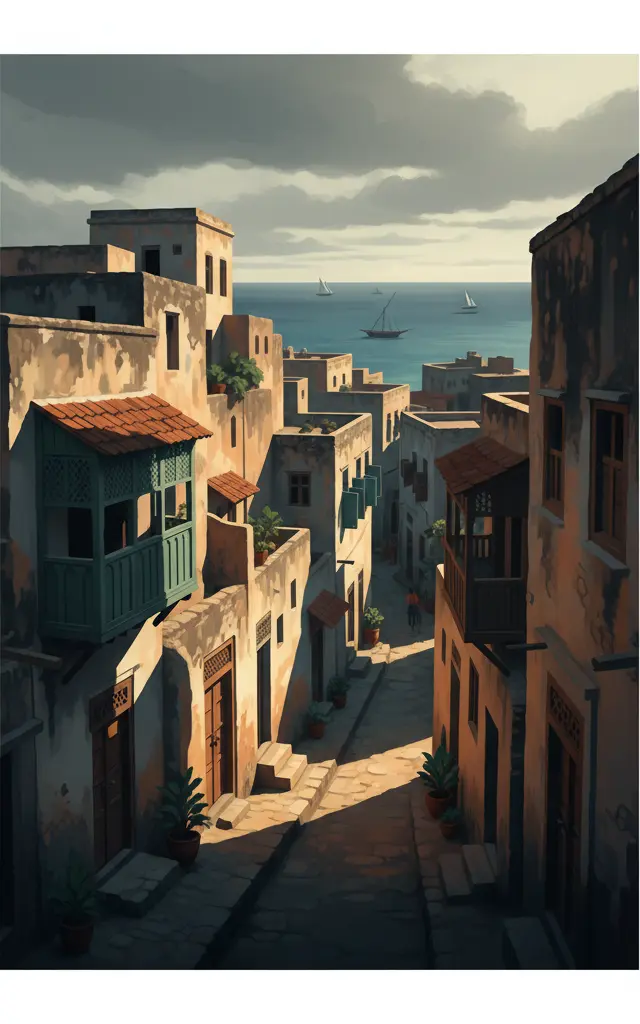
List of UNESCO World Heritage Sites in Tanzania
Every inscription with its year and category. Open a site for its story, map location and nearest airports.
| Site | Year | Type | What it is |
|---|---|---|---|
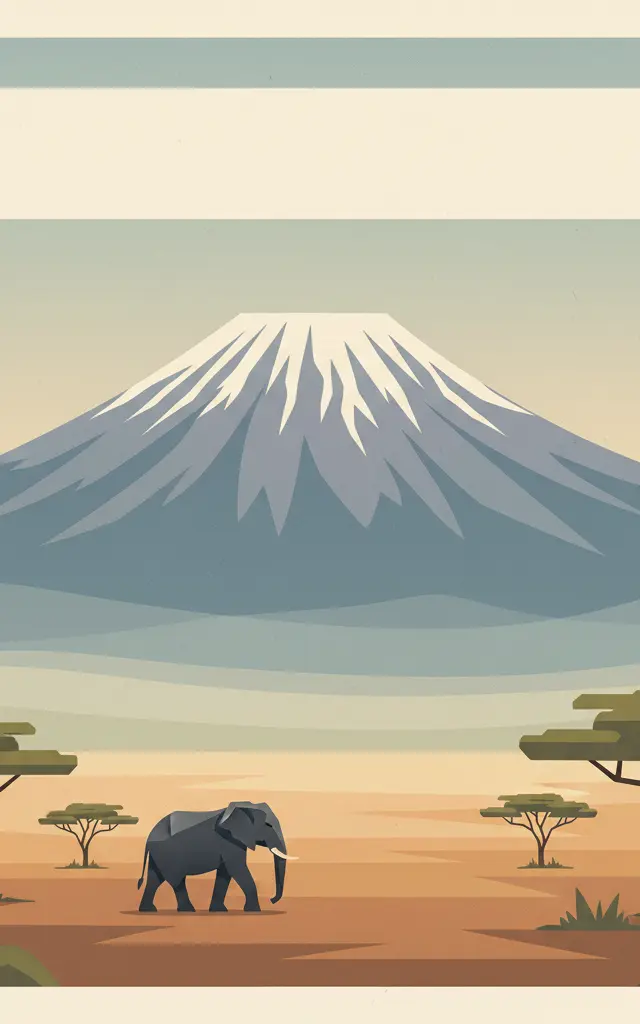
| Kilimanjaro National ParkAt 5,895 m, Kilimanjaro is the highest point in Africa. This volcanic massif stands in splendid isolation above the… | 1987 | Natural | At 5,895 m, Kilimanjaro is the highest point in Africa. This volcanic massif stands in splendid isolation above the surrounding plains, with its… |
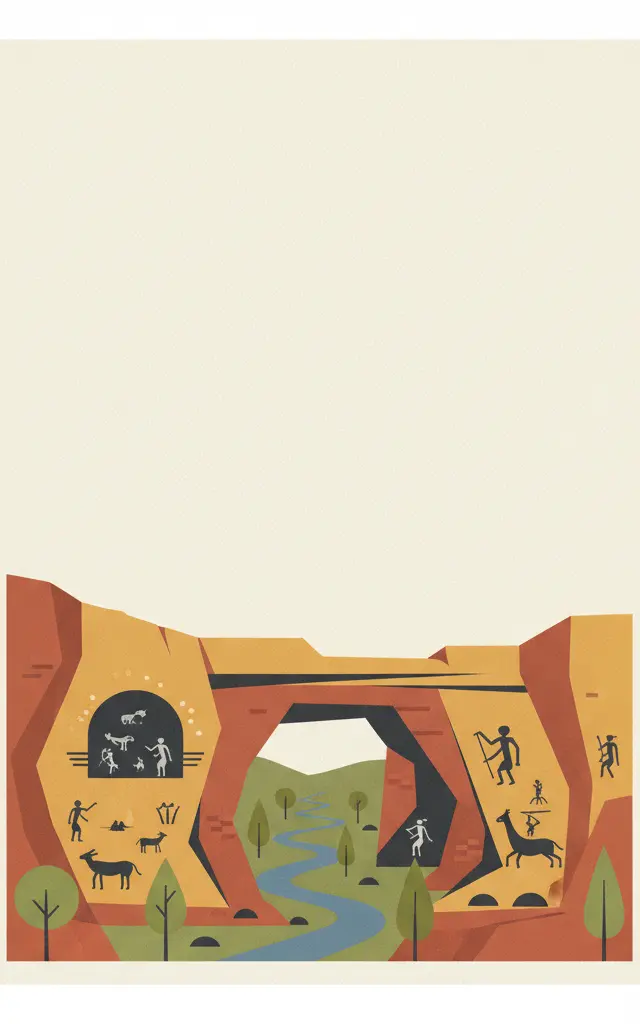
| Kondoa Rock-Art SitesOn the eastern slopes of the Masai escarpment bordering the Great Rift Valley are natural rock shelters, overh. | 2006 | Cultural | On the eastern slopes of the Masai escarpment bordering the Great Rift Valley are natural rock shelters, overh. |
| Mount KilimanjaroAfrica's snow-capped roof. | 1987 | Natural | Africa's snow-capped roof. |
| Ngorongoro Conservation AreaThe Ngorongoro Conservation Area spans vast expanses of highland plains, savanna, savanna woodlands and forests. | 1979 | Mixed | The Ngorongoro Conservation Area spans vast expanses of highland plains, savanna, savanna woodlands and forests. |
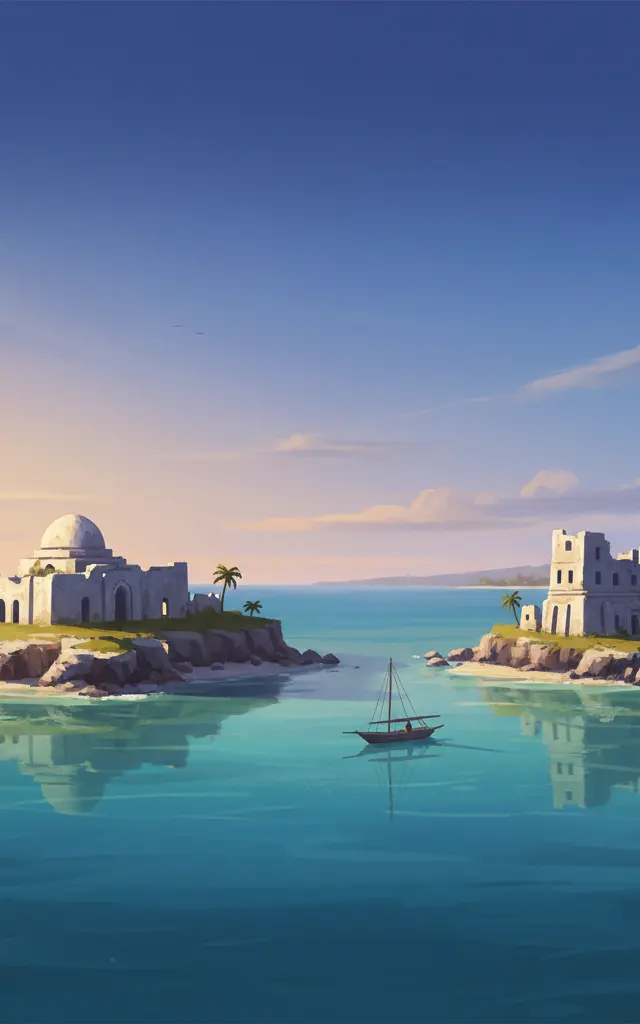
| Ruins of Kilwa Kisiwani and Ruins of Songo MnaraThe remains of two great East African ports admired by early European explorers are situated on two small islands near… | 1981 | Cultural | The remains of two great East African ports admired by early European explorers are situated on two small islands near the coast. From the 1. |
| Selous Game ReserveLarge numbers of elephants, black rhinoceroses, cheetahs, giraffes, hippopotamuses and crocodiles live in this immense… | 1982 | Natural | Large numbers of elephants, black rhinoceroses, cheetahs, giraffes, hippopotamuses and crocodiles live in this immense sanctuary, which measures… |
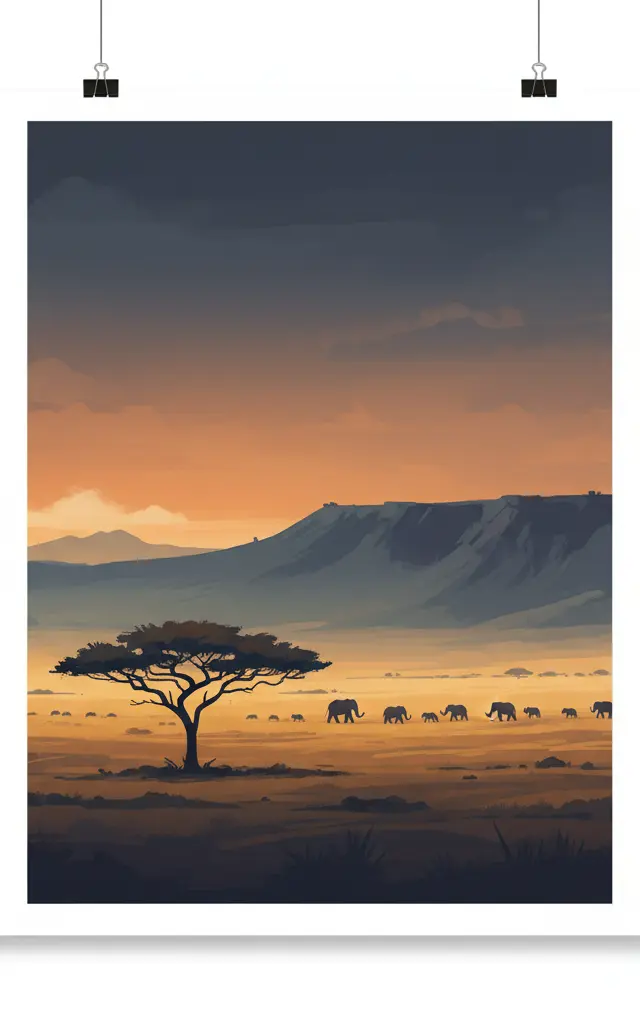
| Serengeti National ParkThe vast plains of the Serengeti comprise 1. | 1981 | Natural | The vast plains of the Serengeti comprise 1. |
| Stone Town of ZanzibarThe Stone Town of Zanzibar is a fine example of the Swahili coastal trading towns of East Africa. | 2000 | Cultural | The Stone Town of Zanzibar is a fine example of the Swahili coastal trading towns of East Africa. |
Frequently asked questions about World Heritage in Tanzania
- How many UNESCO World Heritage Sites are there in Tanzania?
- Tanzania has 8 UNESCO World Heritage Sites: 3 cultural, 4 natural and 1 mixed.
- What was the first World Heritage Site in Tanzania?
- Ngorongoro Conservation Area was inscribed in 1979. The Ngorongoro Conservation Area spans vast expanses of highland plains, savanna, savanna woodlands and forests.
- What is the newest World Heritage Site in Tanzania?
- Kondoa Rock-Art Sites, inscribed in 2006. On the eastern slopes of the Masai escarpment bordering the Great Rift Valley are natural rock shelters, overh.
- Which sites in Tanzania are natural World Heritage Sites?
- 4 of the 8 listings are natural: Kilimanjaro National Park, Mount Kilimanjaro, Selous Game Reserve and Serengeti National Park.
- Which UNESCO sites in Tanzania are easiest to reach?
- Each site page lists the closest airports with distance, so you can pick the gateway city first and work outwards. The "Flying in" panel on this page shows the main gateways for Tanzania.
- What are the main historical sites and landmarks in Tanzania?
- The 8 UNESCO-listed sites above are Tanzania's internationally recognised historical sites and landmarks, starting with Ngorongoro Conservation Area (1979). Each entry links to a full page with a map, photos and travel notes.
- Is there a map of Tanzanian World Heritage Sites?
- Yes — the map on this page plots all 8 Tanzanian UNESCO World Heritage Sites; click any marker to open that site's page.