Arab States
UNESCO World Heritage Sites in Tunisia
Tunisian World Heritage Sites · UNESCO sites in Tunisia map · historical landmarks in Tunisia
Tunisia has 10 sites on the UNESCO World Heritage List — 9 cultural and 1 natural inscriptions, inscribed between 1979 and 2023. This map of UNESCO sites in Tunisia covers every listing, with a short description, the inscription year and the nearest airports — the fastest way to see the country's most important historical sites and landmarks in one place.
Tunisian World Heritage Sites range from Amphitheatre of El Jem onwards; Amphitheatre of El Jem was the country's first inscription, added in 1979; Djerba: Testimony to a settlement pattern in an island territory is the most recent, listed in 2023; recurring threads across the list include ancient civilizations and lost cities.
Start with Amphitheatre of El Jem, Archaeological Site of Carthage and Carthage, then use the map above to plan a route between the rest.
- Sites
- 10
- Cultural
- 9
- Natural
- 1
- First inscribed
- 1979
Sites on the map
Flying in
Airports closest to the most sites in this country.
- TUNTunis5 sites
- MIRMonastir2 sites
- DJEMellita1 site
- TBJTabarka1 site
- NBEEnfidha1 site
Keep exploring
All 10 sites in Tunisia
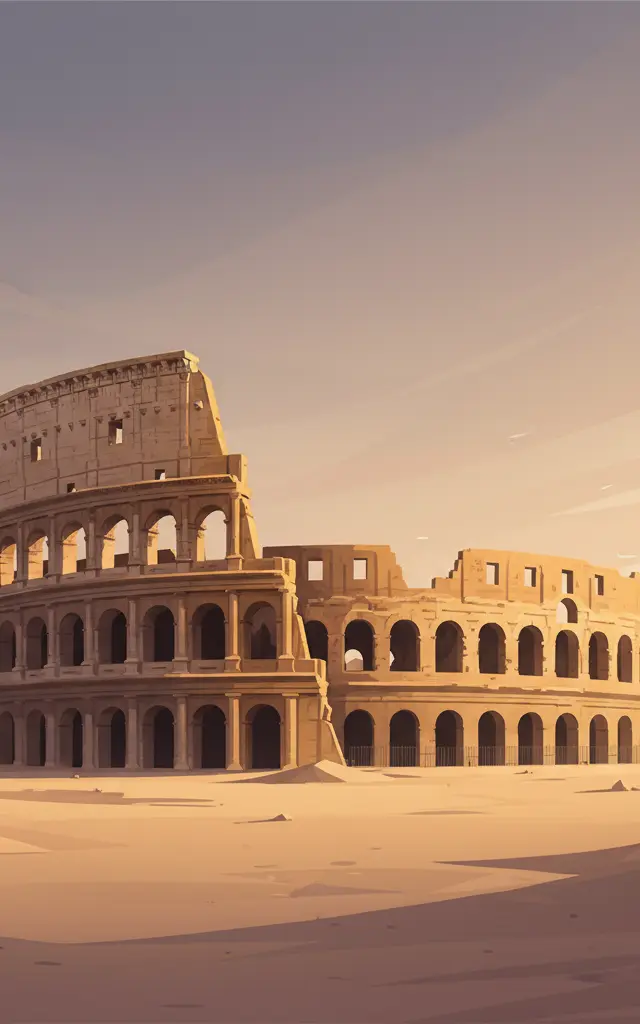
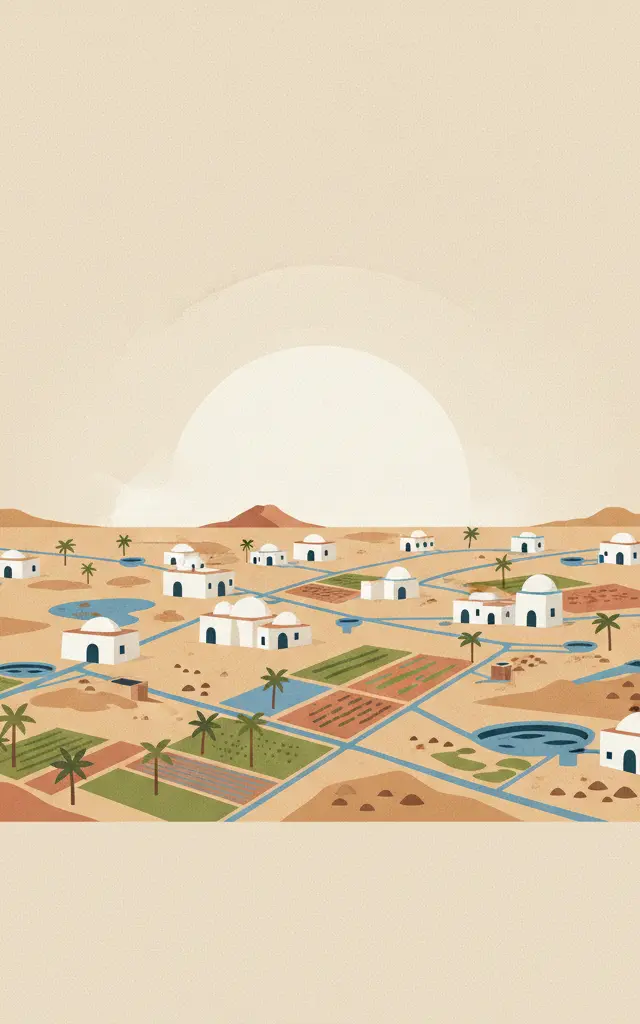

List of UNESCO World Heritage Sites in Tunisia
Every inscription with its year and category. Open a site for its story, map location and nearest airports.
| Site | Year | Type | What it is |
|---|---|---|---|
| Amphitheatre of El JemThe impressive ruins of the largest colosseum in North Africa, a huge amphitheatre which could hold up to 35,000… | 1979 | Cultural | The impressive ruins of the largest colosseum in North Africa, a huge amphitheatre which could hold up to 35,000 spectators, are found in th. |
| Archaeological Site of CarthageCarthage was founded in the 9th century B.C. on the Gulf of Tunis. | 1979 | Cultural | Carthage was founded in the 9th century B.C. on the Gulf of Tunis. From the 6th century onwards, it developed into a great trading empire co. |
| CarthageMediterranean rival of Rome. | 1979 | Cultural | Mediterranean rival of Rome. |
| Djerba: Testimony to a settlement pattern in an island territoryThis serial property is a testimony to a settlement pattern that developed on the island of Djerba around the 9th… | 2023 | Cultural | This serial property is a testimony to a settlement pattern that developed on the island of Djerba around the 9th century CE amidst the semi-dry and… |
| Dougga / ThuggaBefore the Roman annexation of Numidia, the town of Thugga, built on an elevated site overlooking a fertile pl. | 1997 | Cultural | Before the Roman annexation of Numidia, the town of Thugga, built on an elevated site overlooking a fertile pl. |
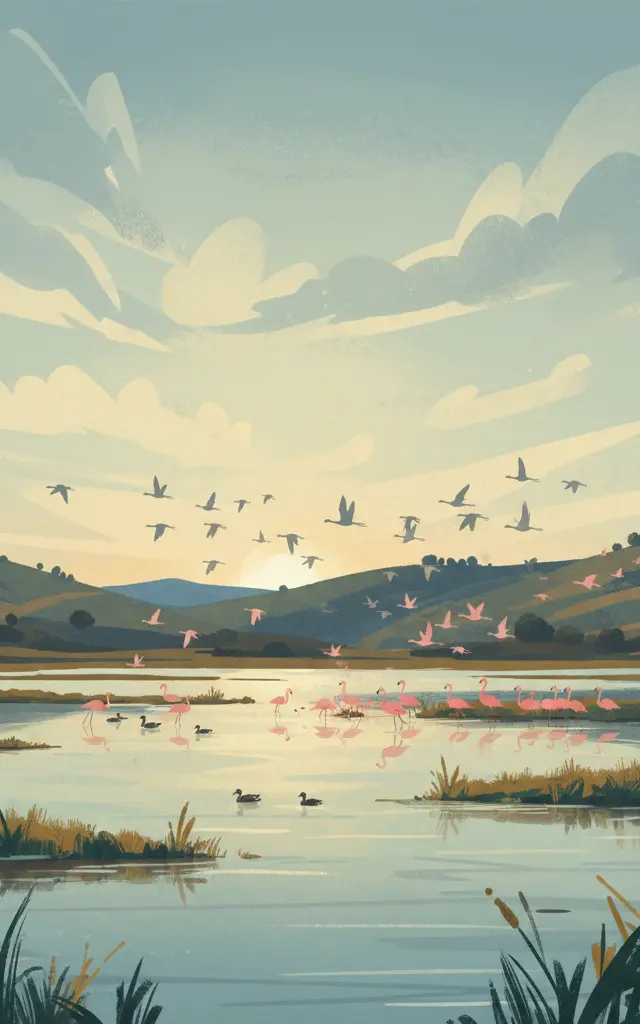
| Ichkeul National ParkThe Ichkeul lake and wetland are a major stopover point for hundreds of thousands of migrating birds, such as ducks… | 1980 | Natural | The Ichkeul lake and wetland are a major stopover point for hundreds of thousands of migrating birds, such as ducks, geese, storks and pink. |
| KairouanFounded in 670, Kairouan flourished under the Aghlabid dynasty in the 9th century. | 1988 | Cultural | Founded in 670, Kairouan flourished under the Aghlabid dynasty in the 9th century. |
| Medina of SousseSousse was an important commercial and military port during the Aghlabid period (800–909) and is a typical example of a… | 1988 | Cultural | Sousse was an important commercial and military port during the Aghlabid period (800–909) and is a typical example of a town dating from the first… |
| Medina of TunisUnder the Almohads and the Hafsids, from the 12th to the 16th century, Tunis was considered one of the greatest and weal. | 1979 | Cultural | Under the Almohads and the Hafsids, from the 12th to the 16th century, Tunis was considered one of the greatest and weal. |
| Punic Town of Kerkuane and its NecropolisThis Phoenician city was probably abandoned during the First Punic War (c. | 1985 | Cultural | This Phoenician city was probably abandoned during the First Punic War (c. |
Frequently asked questions about World Heritage in Tunisia
- How many UNESCO World Heritage Sites are there in Tunisia?
- Tunisia has 10 UNESCO World Heritage Sites: 9 cultural and 1 natural.
- What was the first World Heritage Site in Tunisia?
- Amphitheatre of El Jem was inscribed in 1979. The impressive ruins of the largest colosseum in North Africa, a huge amphitheatre which could hold up to 35,000 spectators, are found in th.
- What is the newest World Heritage Site in Tunisia?
- Djerba: Testimony to a settlement pattern in an island territory, inscribed in 2023. This serial property is a testimony to a settlement pattern that developed on the island of Djerba around the 9th century CE amidst the semi-dry and…
- Which sites in Tunisia are natural World Heritage Sites?
- 1 of the 10 listings is natural: Ichkeul National Park.
- Which UNESCO sites in Tunisia are easiest to reach?
- Each site page lists the closest airports with distance, so you can pick the gateway city first and work outwards. The "Flying in" panel on this page shows the main gateways for Tunisia.
- What are the main historical sites and landmarks in Tunisia?
- The 10 UNESCO-listed sites above are Tunisia's internationally recognised historical sites and landmarks, starting with Amphitheatre of El Jem (1979). Each entry links to a full page with a map, photos and travel notes.
- Is there a map of Tunisian World Heritage Sites?
- Yes — the map on this page plots all 10 Tunisian UNESCO World Heritage Sites; click any marker to open that site's page.