Thematic Journey · 01
Lost Cities & Forgotten Empires
Seven places where stone outlasted empires. Follow desert roads, mountain paths and rainforest causeways into cities once abandoned, buried or reclaimed by the earth.
The journey
These World Heritage Sites span distinct cultures and eras; “lost” describes their modern rediscovery, not an absence of living memory. Each chapter pairs a concise history with the season and light that best reveal the place today.
- Chapter 01
The rose-red capital
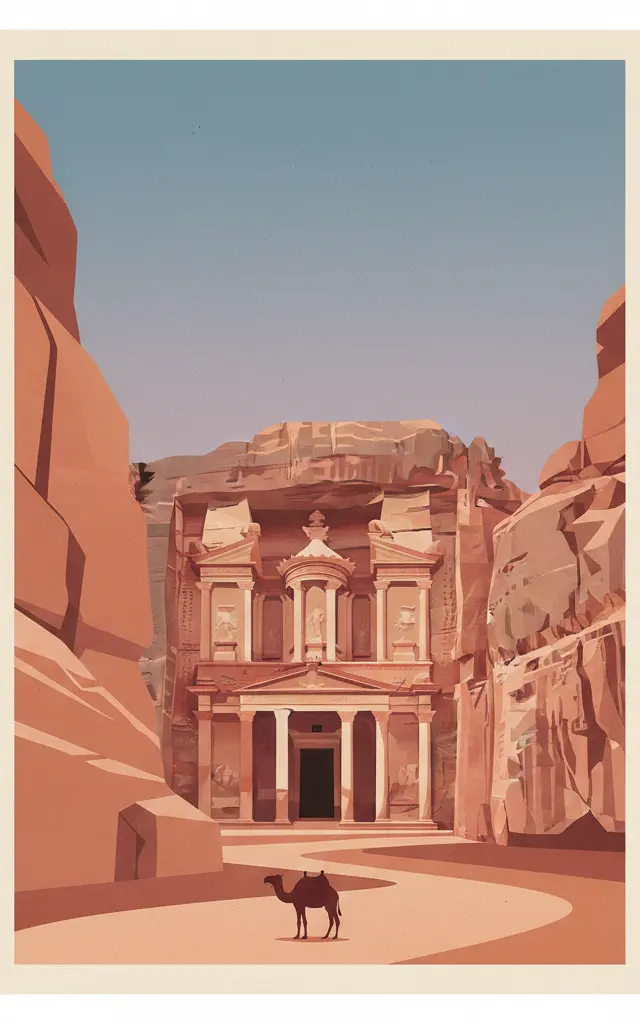
Petra
Jordan · Nabataean kingdom · from the 4th century BCE
Carved into Jordan’s sandstone cliffs, Petra controlled caravan routes between Arabia, Egypt and the Mediterranean. Beyond the Treasury, tombs, temples and water channels reveal a sophisticated desert capital.
Best time & light
March–May or October–November; enter through the Siq soon after sunrise for soft light and quieter paths.
 Chapter 02
Citadel above the clouds
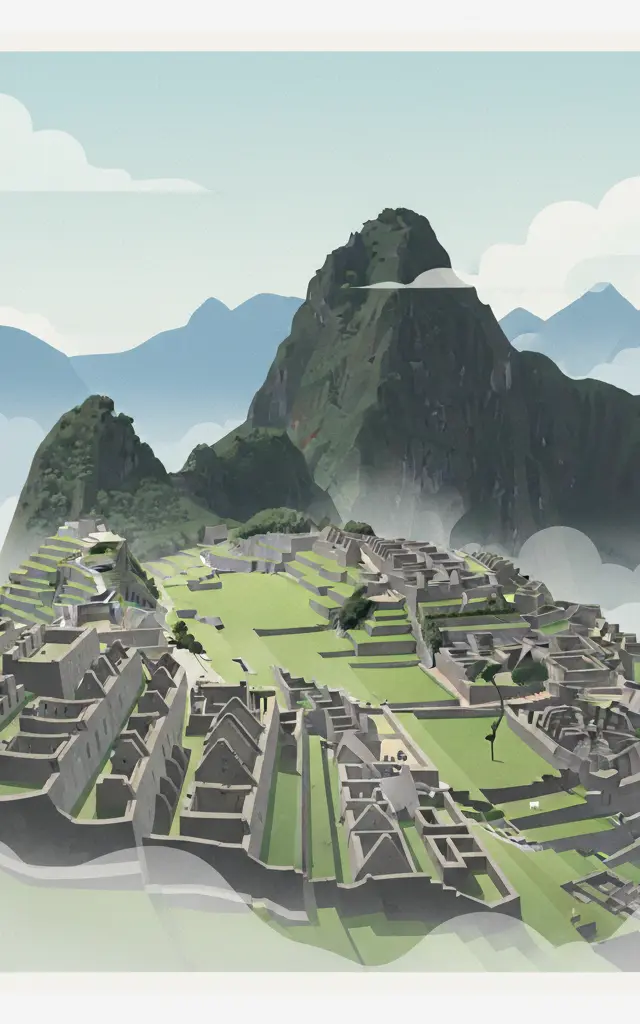
Machu Picchu
Peru · Inca empire · 15th century
Precisely fitted terraces and ceremonial stonework crown a narrow Andean ridge above the Urubamba. Its isolation helped preserve one of the most complete surviving expressions of Inca planning.
Best time & light
April–May or September–October; the first morning entry offers the best chance of clear peaks and drifting cloud.
 Chapter 03
The hydraulic metropolis
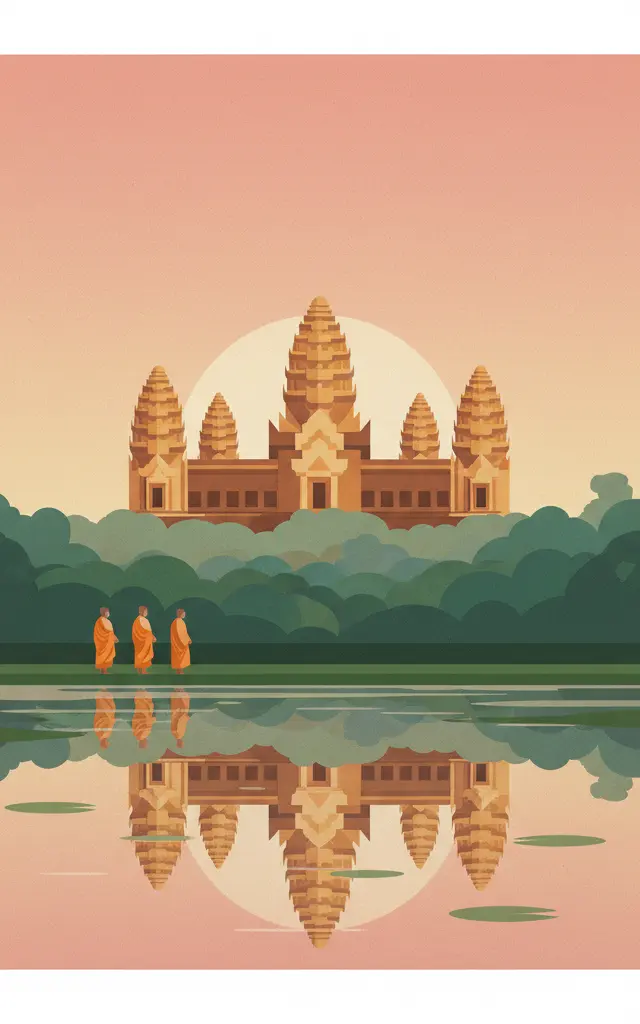
Angkor
Cambodia · Khmer empire · 9th–15th centuries
Angkor was not a single temple but a vast engineered city of reservoirs, canals and sacred precincts. Angkor Wat, Bayon and tree-bound Ta Prohm preserve the scale and imagination of Khmer rule.
Best time & light
November–February; begin before sunrise, then explore the outer temples while the central monuments are busiest.
 Chapter 04
Monuments for eternity
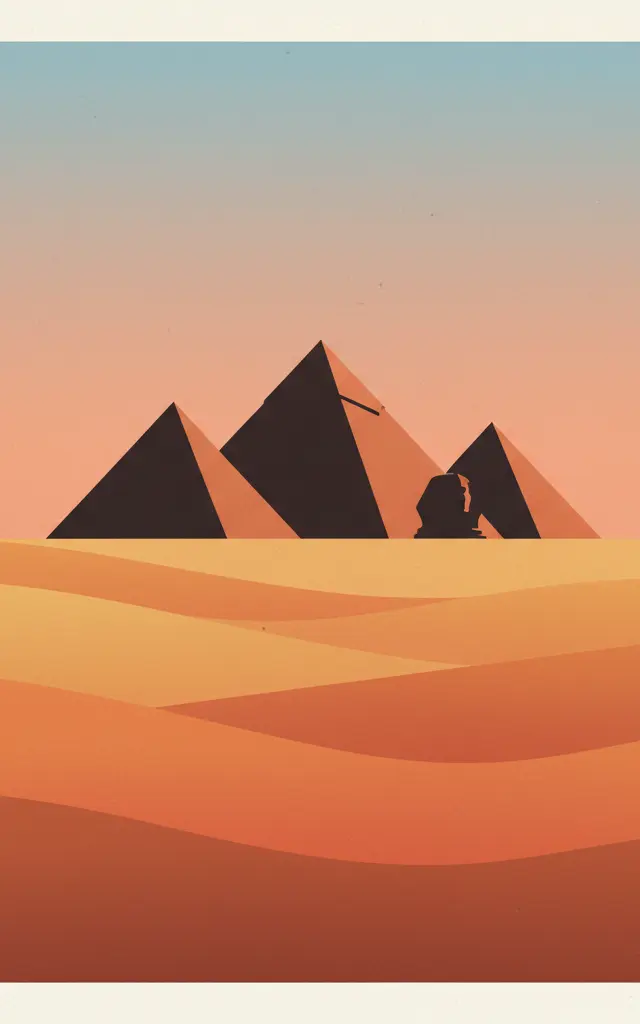
Pyramids of Giza
Egypt · Old Kingdom Egypt · c. 2600–2500 BCE
The pyramid fields from Giza to Dahshur formed the necropolis of ancient Memphis. Khufu’s Great Pyramid remains the last surviving wonder of the ancient world.
Best time & light
October–April; arrive at opening time or stay for late-afternoon light across the western desert.
 Chapter 05
A city aligned with the sky
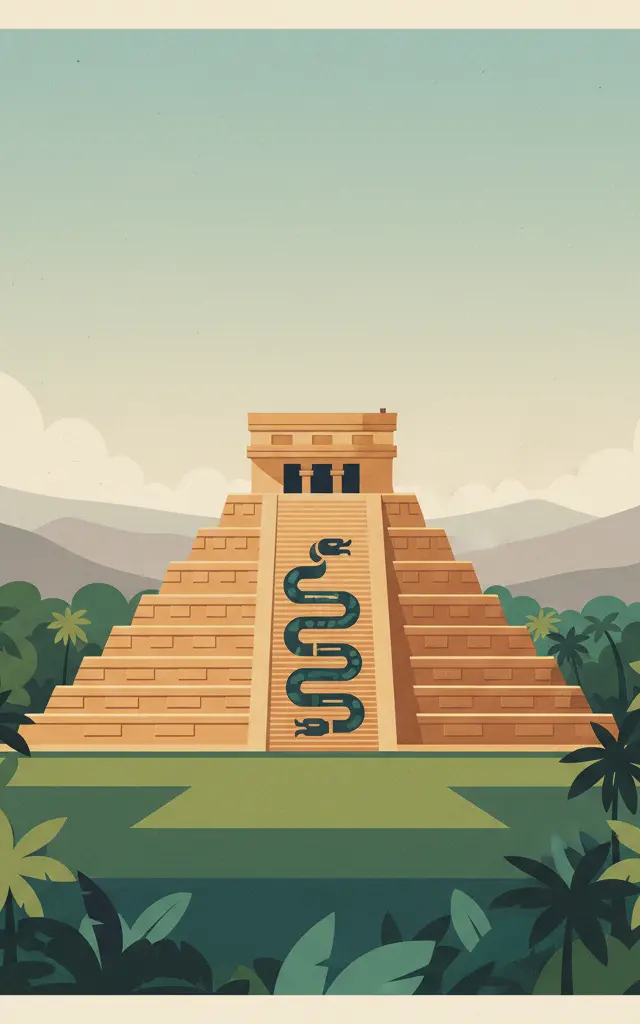
Chichén Itzá
Mexico · Maya and Toltec traditions · c. 600–1200 CE
El Castillo, the Great Ball Court and the Temple of the Warriors reflect a cosmopolitan Maya centre where astronomy, ritual and political power shaped the built landscape.
Best time & light
November–March; arrive at opening for cooler air and clean morning light on El Castillo.
 Chapter 06
A Roman day held in ash
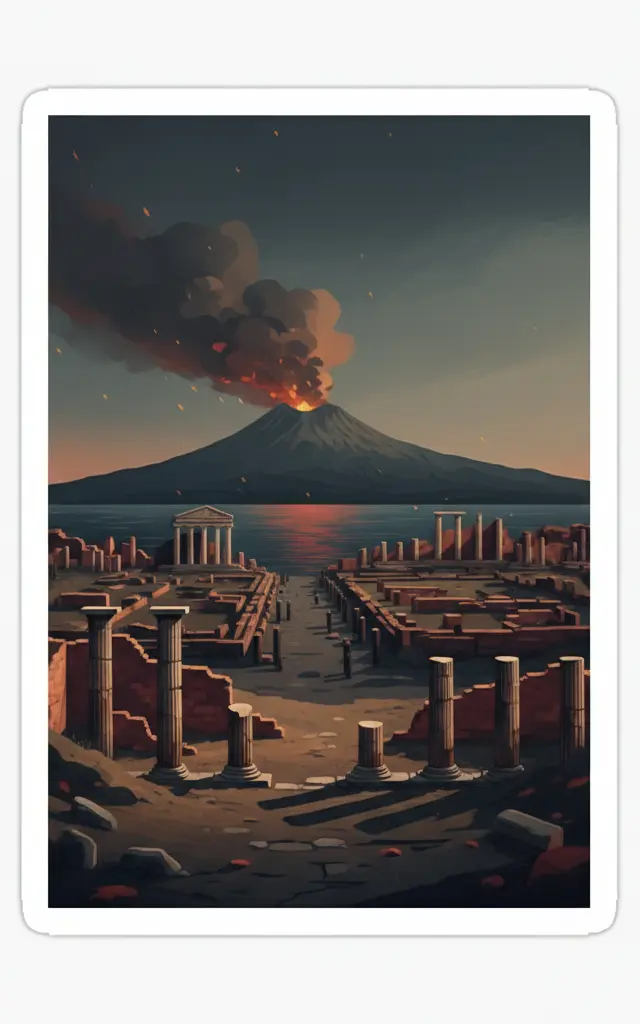
Archaeological Areas of Pompei, Herculaneum and Torre Annunziata
Italy · Roman world · buried in 79 CE
Vesuvius preserved streets, homes, gardens and workshops with extraordinary immediacy. Pompeii shows the scale of a Roman town, while nearby Herculaneum retains intimate domestic detail.
Best time & light
April–May or September–October; morning and late afternoon bring softer light and relief from the exposed midday heat.
 Chapter 07
Temples above the rainforest
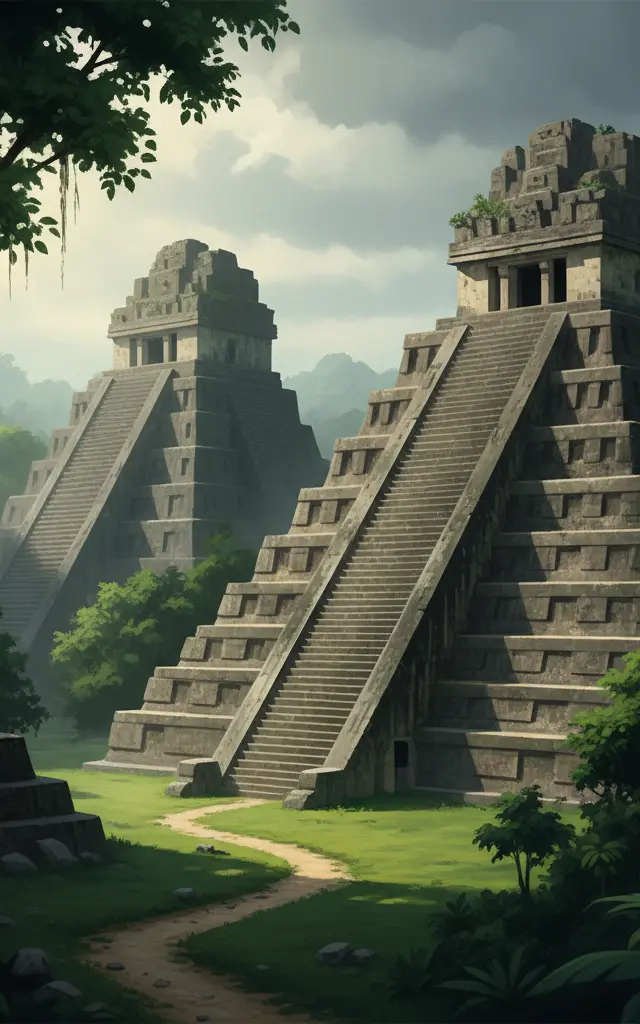
Tikal National Park
Guatemala · Classic Maya world · c. 200–900 CE
Tikal’s pyramids rise through Guatemala’s forest canopy above plazas, palaces and causeways. Its inscriptions record dynasties, alliances and conflicts across the Maya lowlands.
Best time & light
November–April; an early entry offers cooler trails, active wildlife and mist around the temple crowns.