Americas
UNESCO World Heritage Sites in Bolivia
World Heritage Bolivia · UNESCO sites in Bolivia map · historical landmarks in Bolivia
Bolivia has 8 sites on the UNESCO World Heritage List — 6 cultural and 2 natural inscriptions, inscribed between 1987 and 2014. This map of UNESCO sites in Bolivia covers every listing, with a short description, the inscription year and the nearest airports — the fastest way to see the country's most important historical sites and landmarks in one place.
City of Potosí was the country's first inscription, added in 1987; Qhapaq Ñan, Andean Road System is the most recent, listed in 2014; recurring threads across the list include ancient civilizations and volcanoes nature.
One inscription is transnational, shared with neighbouring countries: Qhapaq Ñan, Andean Road System. Start with City of Potosí, Fuerte de Samaipata and Historic City of Sucre, then use the map above to plan a route between the rest.
- Sites
- 8
- Cultural
- 6
- Natural
- 2
- First inscribed
- 1987
Sites on the map
Inscriptions Bolivia shares with other countries are not plotted here — you will find them in the list below.
Flying in
Airports closest to the most sites in this country.
- SRESucre2 sites
- SRZSanta Cruz1 site
- VVISanta Cruz1 site
- BVHVilhena1 site
- AYPAyacucho1 site
- UYUQuijarro1 site
Keep exploring
All 8 sites in Bolivia

List of UNESCO World Heritage Sites in Bolivia
Every inscription with its year and category. Open a site for its story, map location and nearest airports.
| Site | Year | Type | What it is |
|---|---|---|---|
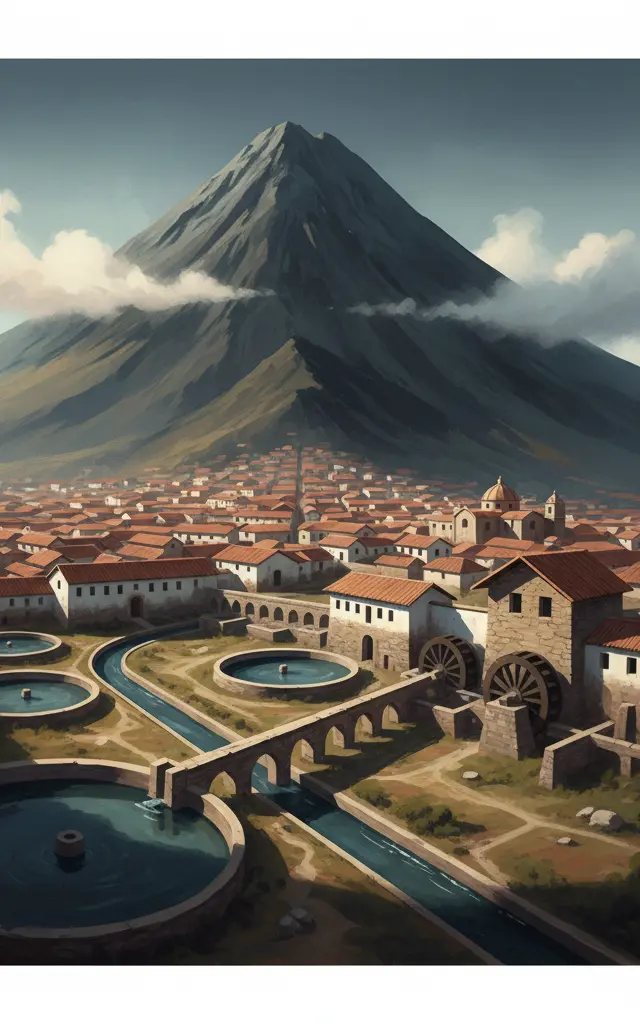
| City of PotosíIn the 16th century, this area was regarded as the world’s largest industrial complex. | 1987 | Cultural | In the 16th century, this area was regarded as the world’s largest industrial complex. |
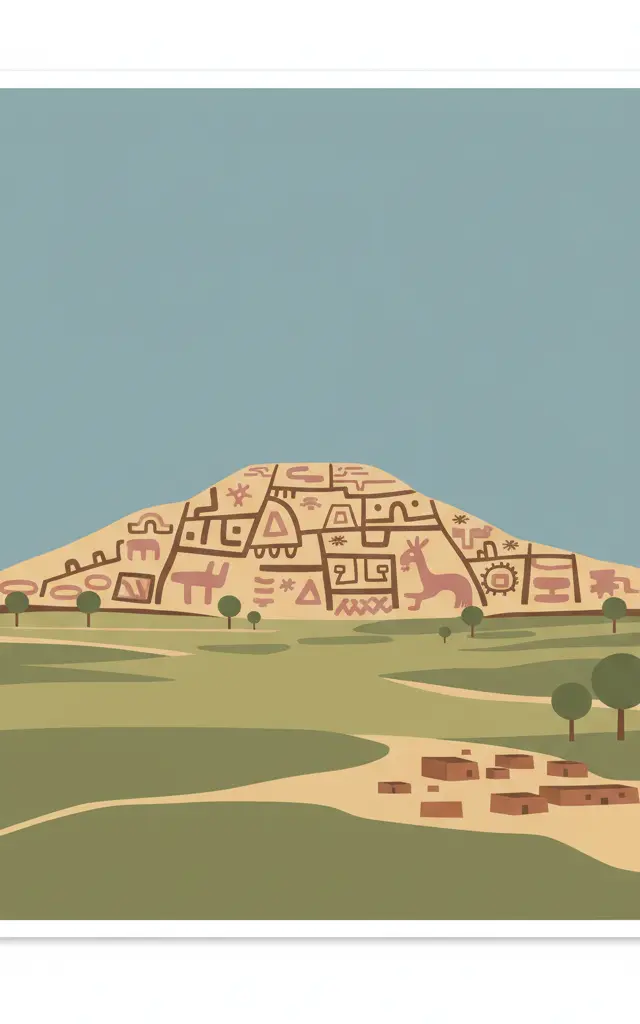
| Fuerte de SamaipataThe archaeological site of Samaipata consists of two parts: the hill with its many carvings, believed to have been the… | 1998 | Cultural | The archaeological site of Samaipata consists of two parts: the hill with its many carvings, believed to have been the ceremonial centre of the old… |
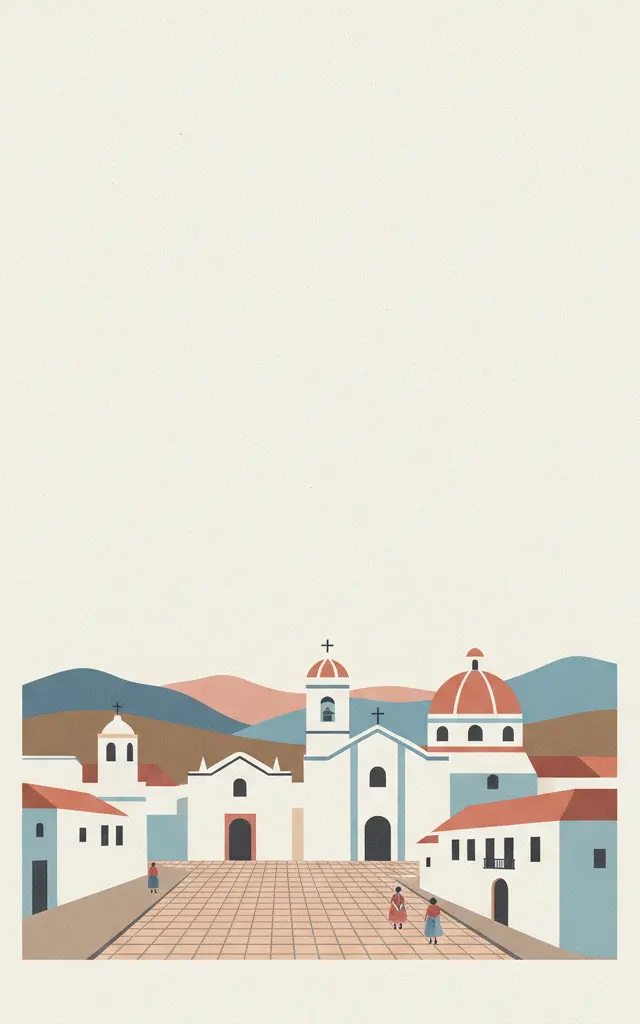
| Historic City of SucreSucre, the first capital of Bolivia, was founded by the Spanish in the first half of the 16th century. | 1991 | Cultural | Sucre, the first capital of Bolivia, was founded by the Spanish in the first half of the 16th century. |
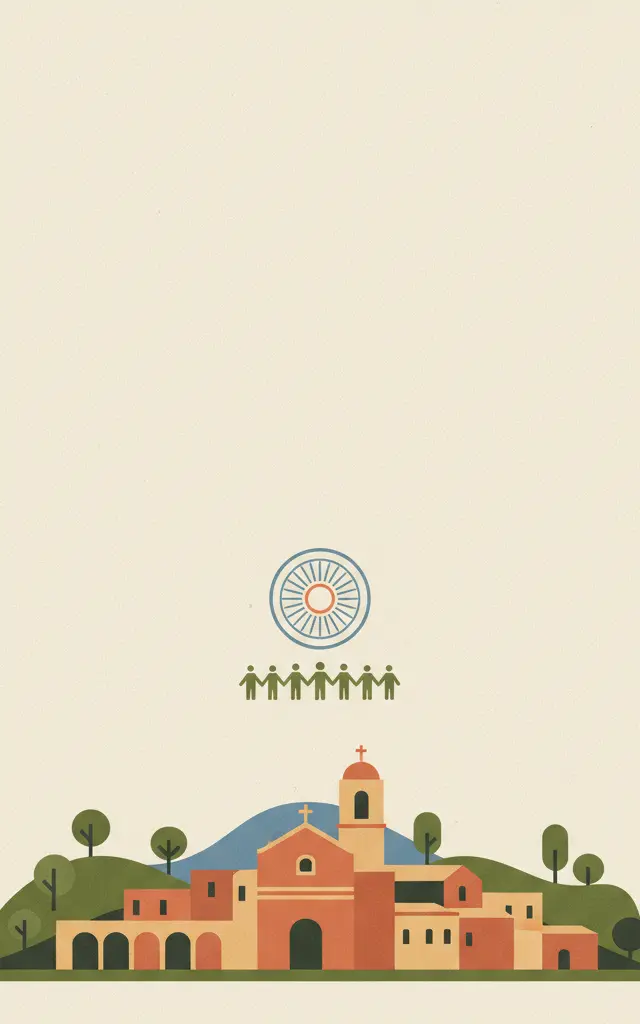
| Jesuit Missions of the ChiquitosBetween 1696 and 1760, six ensembles of reducciones (settlements of Christianized Indians) inspired by the ‘id. | 1990 | Cultural | Between 1696 and 1760, six ensembles of reducciones (settlements of Christianized Indians) inspired by the ‘id. |
| Noel Kempff Mercado National ParkThe National Park is one of the largest (1,523,000 ha) and most intact parks in the Amazon Basin. | 2000 | Natural | The National Park is one of the largest (1,523,000 ha) and most intact parks in the Amazon Basin. |
| Qhapaq Ñan, Andean Road SystemThis site is an extensive Inca communication, trade and defence network of roads covering 30,000 km. | 2014 | Cultural | This site is an extensive Inca communication, trade and defence network of roads covering 30,000 km. |
| Salar de Uyuni RegionThe world's largest mirror. | 2000 | Natural | The world's largest mirror. |
| Tiwanaku: Spiritual and Political Centre of the Tiwanaku CultureThe city of Tiwanaku, capital of a powerful pre-Hispanic empire that dominated a large area of the southern Andes and be. | 2000 | Cultural | The city of Tiwanaku, capital of a powerful pre-Hispanic empire that dominated a large area of the southern Andes and be. |
Frequently asked questions about World Heritage in Bolivia
- How many UNESCO World Heritage Sites are there in Bolivia?
- Bolivia has 8 UNESCO World Heritage Sites: 6 cultural and 2 natural.
- What was the first World Heritage Site in Bolivia?
- City of Potosí was inscribed in 1987. In the 16th century, this area was regarded as the world’s largest industrial complex.
- What is the newest World Heritage Site in Bolivia?
- Qhapaq Ñan, Andean Road System, inscribed in 2014. This site is an extensive Inca communication, trade and defence network of roads covering 30,000 km. Constructed by the Incas over several centuries and partly.
- Which sites in Bolivia are natural World Heritage Sites?
- 2 of the 8 listings are natural: Noel Kempff Mercado National Park and Salar de Uyuni Region.
- Which UNESCO sites in Bolivia are easiest to reach?
- Each site page lists the closest airports with distance, so you can pick the gateway city first and work outwards. The "Flying in" panel on this page shows the main gateways for Bolivia.
- What are the main historical sites and landmarks in Bolivia?
- The 8 UNESCO-listed sites above are Bolivia's internationally recognised historical sites and landmarks, starting with City of Potosí (1987). Each entry links to a full page with a map, photos and travel notes.