| Agave Landscape and Ancient Industrial Facilities of TequilaAgave Landscape and Ancient Industrial Facilities of Tequila — UNESCO World Heritage Site. | 2006 | Cultural | Agave Landscape and Ancient Industrial Facilities of Tequila — UNESCO World Heritage Site. |
| Ancient Maya City and Protected Tropical Forests of Calakmul, CampecheAncient Maya City and Protected Tropical Forests of Calakmul, Campeche — UNESCO World Heritage Site. | 2002 | Mixed | Ancient Maya City and Protected Tropical Forests of Calakmul, Campeche — UNESCO World Heritage Site. |
| Aqueduct of Padre Tembleque Hydraulic SystemAqueduct of Padre Tembleque Hydraulic System — UNESCO World Heritage Site. | 2015 | Cultural | Aqueduct of Padre Tembleque Hydraulic System — UNESCO World Heritage Site. |
| Archaeological Monuments Zone of XochicalcoArchaeological Monuments Zone of Xochicalco — UNESCO World Heritage Site. | 1999 | Cultural | Archaeological Monuments Zone of Xochicalco — UNESCO World Heritage Site. |
| Archaeological Zone of Paquimé, Casas GrandesArchaeological Zone of Paquimé, Casas Grandes — UNESCO World Heritage Site. | 1998 | Cultural | Archaeological Zone of Paquimé, Casas Grandes — UNESCO World Heritage Site. |
| Archipiélago de RevillagigedoArchipiélago de Revillagigedo — UNESCO World Heritage Site. | 2016 | Natural | Archipiélago de Revillagigedo — UNESCO World Heritage Site. |
| Camino Real de Tierra AdentroCamino Real de Tierra Adentro — UNESCO World Heritage Site. | 2010 | Cultural | Camino Real de Tierra Adentro — UNESCO World Heritage Site. |
| Central University City Campus of the Universidad Nacional Autónoma de México (UNAM)The ensemble of buildings, sports facilities and open spaces of the Central University City Campus of the Univ. | 2007 | Cultural | The ensemble of buildings, sports facilities and open spaces of the Central University City Campus of the Univ. |
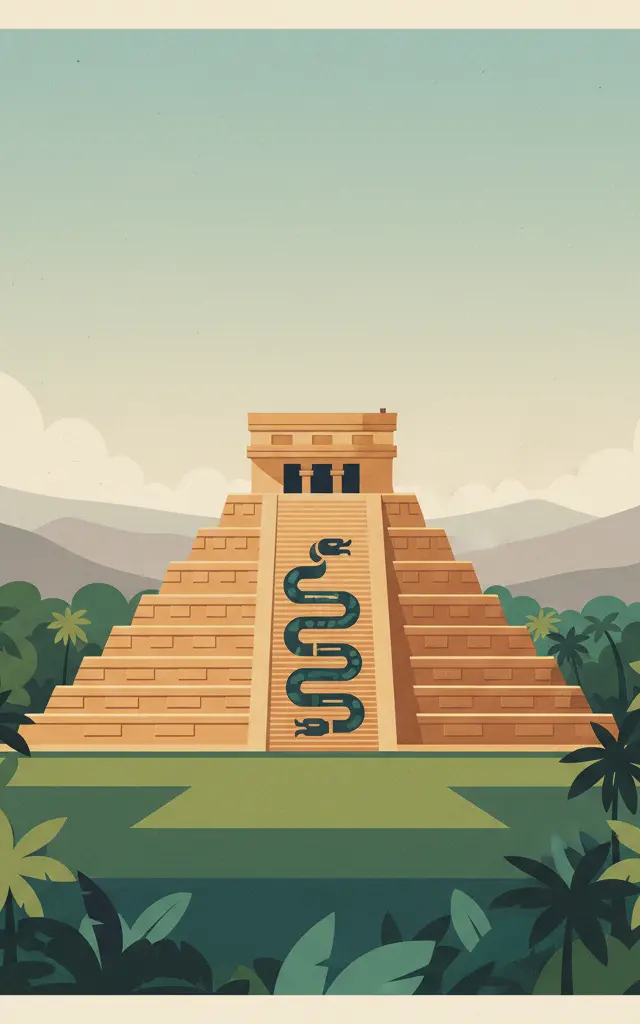
| Chichén ItzáMaya pyramid of the feathered serpent. | 1988 | Cultural | Maya pyramid of the feathered serpent. |
| Earliest 16th-Century Monasteries on the Slopes of PopocatepetlEarliest 16th-Century Monasteries on the Slopes of Popocatepetl — UNESCO World Heritage Site. | 1994 | Cultural | Earliest 16th-Century Monasteries on the Slopes of Popocatepetl — UNESCO World Heritage Site. |
| El Pinacate and Gran Desierto de Altar Biosphere ReserveEl Pinacate and Gran Desierto de Altar Biosphere Reserve — UNESCO World Heritage Site. | 2013 | Natural | El Pinacate and Gran Desierto de Altar Biosphere Reserve — UNESCO World Heritage Site. |
| El Tajin, Pre-Hispanic CityEl Tajin, Pre-Hispanic City — UNESCO World Heritage Site. | 1992 | Cultural | El Tajin, Pre-Hispanic City — UNESCO World Heritage Site. |
| Franciscan Missions in the Sierra Gorda of QuerétaroFranciscan Missions in the Sierra Gorda of Querétaro — UNESCO World Heritage Site. | 2003 | Cultural | Franciscan Missions in the Sierra Gorda of Querétaro — UNESCO World Heritage Site. |
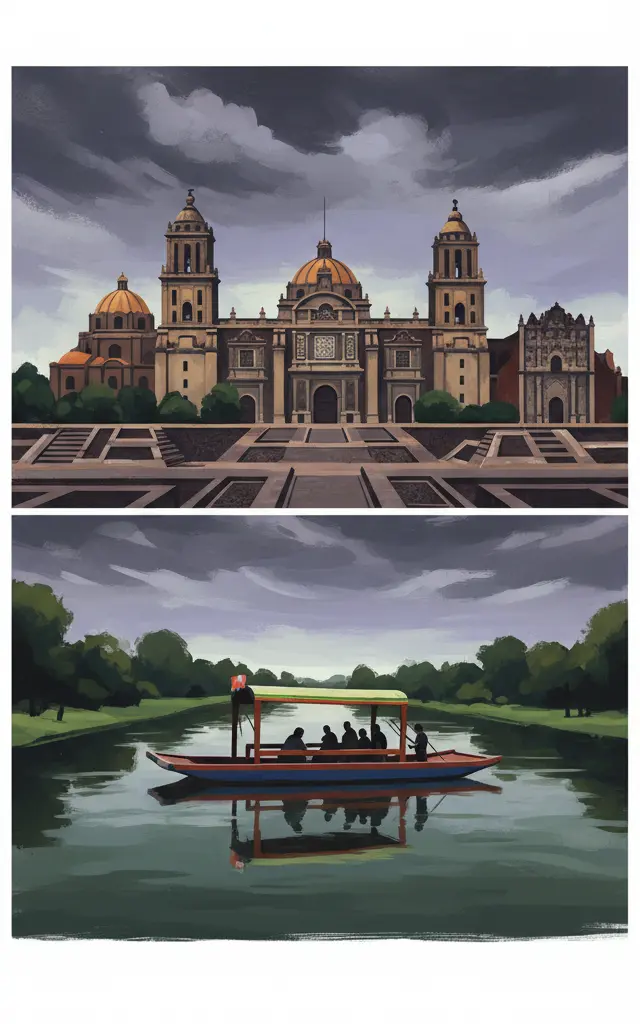
| Historic Centre of Mexico City and XochimilcoBuilt in the 16th century by the Spanish on the ruins of Tenochtitlan, the old Aztec capital, Mexico City is now one of. | 1987 | Cultural | Built in the 16th century by the Spanish on the ruins of Tenochtitlan, the old Aztec capital, Mexico City is now one of. |
| Historic Centre of MoreliaBuilt in the 16th century, Morelia is an outstanding example of urban planning which combines the ideas of the Spanish R. | 1991 | Cultural | Built in the 16th century, Morelia is an outstanding example of urban planning which combines the ideas of the Spanish R. |
| Historic Centre of Oaxaca and Archaeological Site of Monte AlbánInhabited over a period of 1,500 years by a succession of peoples – Olmecs, Zapotecs and Mixtecs – the terraces, dams, c. | 1987 | Cultural | Inhabited over a period of 1,500 years by a succession of peoples – Olmecs, Zapotecs and Mixtecs – the terraces, dams, c. |
| Historic Centre of PueblaPuebla, which was founded ex nihilo in 1531, is situated about 100 km east of Mexico City, at the foot of the Popocatepe. | 1987 | Cultural | Puebla, which was founded ex nihilo in 1531, is situated about 100 km east of Mexico City, at the foot of the Popocatepe. |
| Historic Centre of ZacatecasFounded in 1546 after the discovery of a rich silver lode, Zacatecas reached the height of its prosperity in the 16th an. | 1993 | Cultural | Founded in 1546 after the discovery of a rich silver lode, Zacatecas reached the height of its prosperity in the 16th an. |
| Historic Fortified Town of CampecheHistoric Fortified Town of Campeche — UNESCO World Heritage Site. | 1999 | Cultural | Historic Fortified Town of Campeche — UNESCO World Heritage Site. |
| Historic Monuments Zone of QuerétaroHistoric Monuments Zone of Querétaro — UNESCO World Heritage Site. | 1996 | Cultural | Historic Monuments Zone of Querétaro — UNESCO World Heritage Site. |
| Historic Monuments Zone of TlacotalpanHistoric Monuments Zone of Tlacotalpan — UNESCO World Heritage Site. | 1998 | Cultural | Historic Monuments Zone of Tlacotalpan — UNESCO World Heritage Site. |
| Historic Town of Guanajuato and Adjacent MinesFounded by the Spanish in the early 16th century, Guanajuato became the world's leading silver-extraction centre in the. | 1988 | Cultural | Founded by the Spanish in the early 16th century, Guanajuato became the world's leading silver-extraction centre in the. |
| Hospicio Cabañas, GuadalajaraThe Hospicio Cabañas was built at the beginning of the 19th century to provide care and shelter for the disadv. | 1997 | Cultural | The Hospicio Cabañas was built at the beginning of the 19th century to provide care and shelter for the disadv. |
| Islands and Protected Areas of the Gulf of CaliforniaThe site comprises 244 islands, islets and coastal areas that are located in the Gulf of California in north-e. | 2005 | Natural | The site comprises 244 islands, islets and coastal areas that are located in the Gulf of California in north-e. |
| Luis Barragán House and StudioBuilt in 1948, the House and Studio of architect Luis Barragán in the suburbs of Mexico City represents an out. | 2004 | Cultural | Built in 1948, the House and Studio of architect Luis Barragán in the suburbs of Mexico City represents an out. |
| Monarch Butterfly Biosphere ReserveMonarch Butterfly Biosphere Reserve — UNESCO World Heritage Site. | 2008 | Natural | Monarch Butterfly Biosphere Reserve — UNESCO World Heritage Site. |
| Pre-Hispanic City and National Park of PalenqueA prime example of a Mayan sanctuary of the classical period, Palenque was at its height between AD 500 and 700, when it. | 1987 | Cultural | A prime example of a Mayan sanctuary of the classical period, Palenque was at its height between AD 500 and 700, when it. |
| Pre-Hispanic City of Chichen-ItzaPre-Hispanic City of Chichen-Itza — UNESCO World Heritage Site. | 1988 | Cultural | Pre-Hispanic City of Chichen-Itza — UNESCO World Heritage Site. |
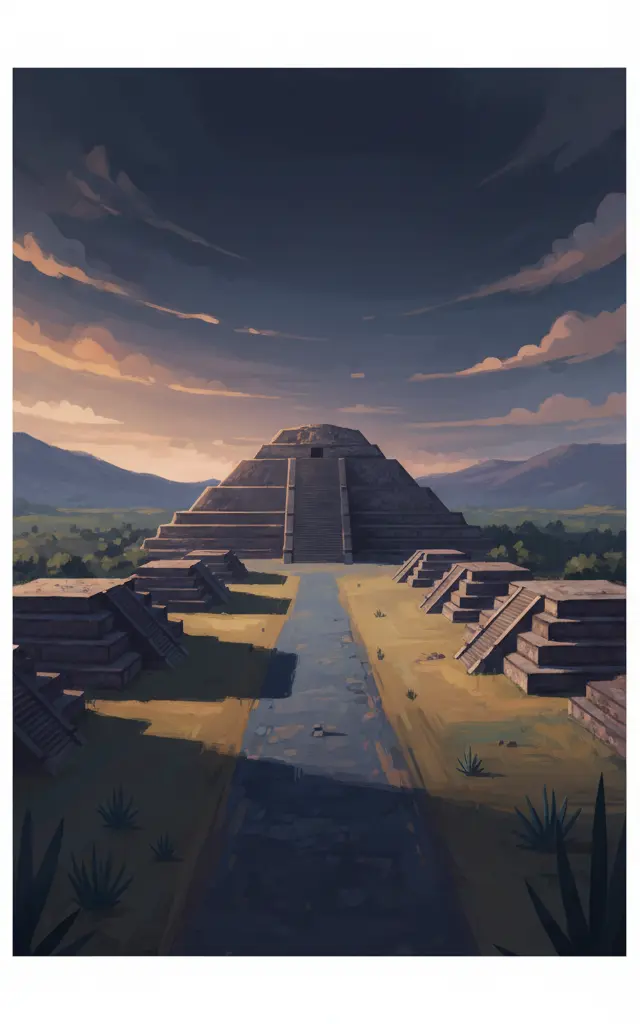
| Pre-Hispanic City of TeotihuacanThe holy city of Teotihuacan ('the place where the gods were created') is situated some 50 km north-east of Mexico City. | 1987 | Cultural | The holy city of Teotihuacan ('the place where the gods were created') is situated some 50 km north-east of Mexico City. |
| Pre-Hispanic Town of UxmalThe Mayan town of Uxmal, in Yucatán, was founded c. | 1996 | Cultural | The Mayan town of Uxmal, in Yucatán, was founded c. |
| Prehistoric Caves of Yagul and Mitla in the Central Valley of OaxacaPrehistoric Caves of Yagul and Mitla in the Central Valley of Oaxaca — UNESCO World Heritage Site. | 2010 | Cultural | Prehistoric Caves of Yagul and Mitla in the Central Valley of Oaxaca — UNESCO World Heritage Site. |
| Protective town of San Miguel and the Sanctuary of Jesús Nazareno de AtotonilcoProtective town of San Miguel and the Sanctuary of Jesús Nazareno de Atotonilco — UNESCO World Heritage Site. | 2008 | Cultural | Protective town of San Miguel and the Sanctuary of Jesús Nazareno de Atotonilco — UNESCO World Heritage Site. |
| Rock Paintings of the Sierra de San FranciscoRock Paintings of the Sierra de San Francisco — UNESCO World Heritage Site. | 1993 | Cultural | Rock Paintings of the Sierra de San Francisco — UNESCO World Heritage Site. |
| Sian Ka'anIn the language of the Mayan peoples who once inhabited this region, Sian Ka'an means 'Origin of the Sky'. | 1987 | Natural | In the language of the Mayan peoples who once inhabited this region, Sian Ka'an means 'Origin of the Sky'. |
| Tehuacán-Cuicatlán Valley: originary habitat of MesoamericaTehuacán-Cuicatlán Valley: originary habitat of Mesoamerica — UNESCO World Heritage Site. | 2018 | Mixed | Tehuacán-Cuicatlán Valley: originary habitat of Mesoamerica — UNESCO World Heritage Site. |
| Whale Sanctuary of El VizcainoLocated in the central part of the peninsula of Baja California, the sanctuary contains some exceptionally int. | 1993 | Natural | Located in the central part of the peninsula of Baja California, the sanctuary contains some exceptionally int. |
| Wixárika Route through Sacred Sites to Wirikuta (Tatehuarí Huajuyé)The Wixárika Route is a serial property of 20 sites, spanning over 500 km across five states in north-central. | 2025 | Cultural | The Wixárika Route is a serial property of 20 sites, spanning over 500 km across five states in north-central. |