Thematic Journey · 02
Ancient Civilizations & Living Legacies
Six places where power, belief and human ingenuity became stone. Trace a path from democratic Athens and imperial Rome to mountain walls, palace gardens and sacred landscapes.
The journey
These monuments belong to very different societies, yet each shaped ideas that still travel today. Follow the sequence chronologically and plan visits with the light, season and local context that help each place reveal itself.
- Chapter 01
The civic hill
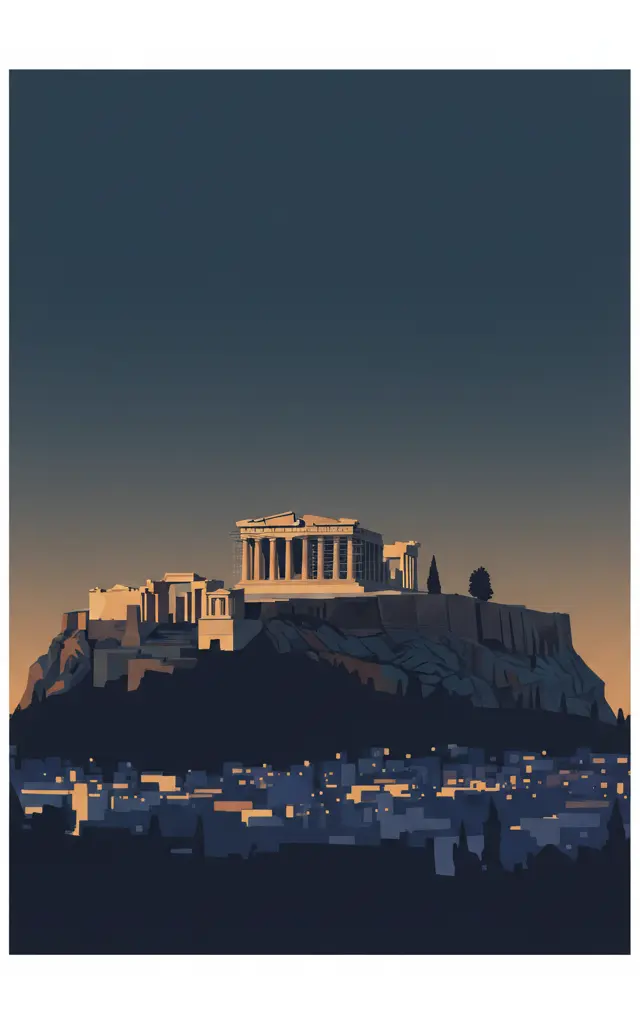
Acropolis, Athens
Greece · Classical Greece · 5th century BCE
The Parthenon and its companion temples rose above a city debating citizenship, theatre and philosophy. Their measured columns became an enduring language of public architecture and democratic ambition.
Best time & light
April–May or September–October; enter at opening and watch the marble warm from grey to honey in the low morning sun.
 Chapter 02
Capital of an empire
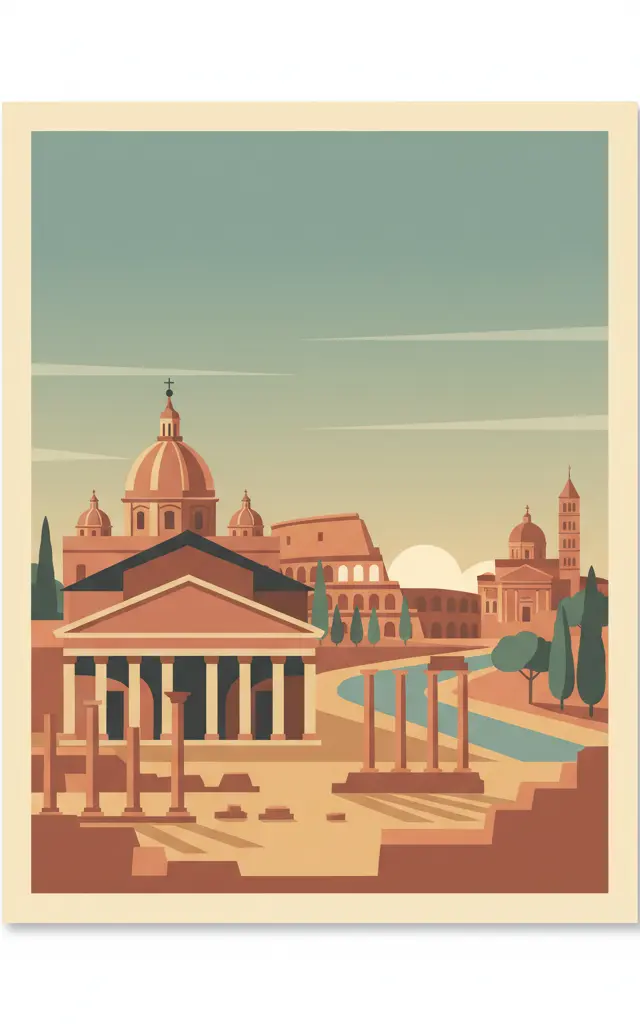
Rome & Colosseum
Italy · Roman Republic and Empire · 6th century BCE–4th century CE
The Forum, Colosseum and imperial avenues preserve the ceremonial heart of a state that connected Europe, North Africa and western Asia. Later churches and palaces grew directly through its ancient fabric.
Best time & light
March–May or October–November; walk the Forum early, then see the Colosseum exterior in the softer final hour of daylight.
 Chapter 03
A frontier across mountains
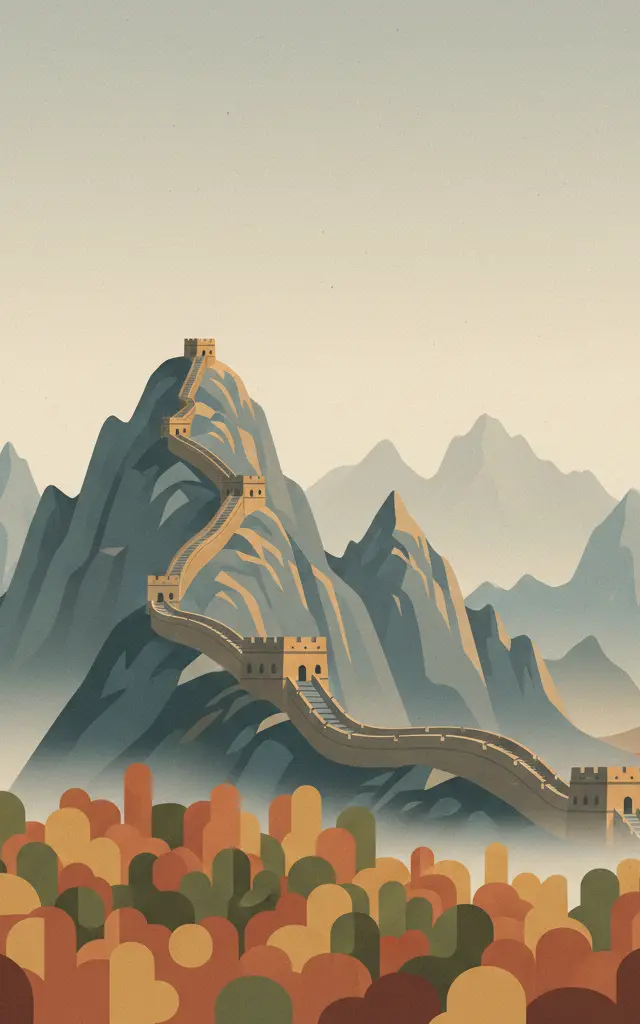
Great Wall of China
China · Imperial China · 3rd century BCE–17th century CE
Successive dynasties joined walls, watchtowers and passes into a vast defensive landscape. The result records changing frontiers, military engineering and the movement of people across northern China.
Best time & light
April–May or September–October; choose an unrestored or quieter section and arrive early for clear ridgelines and angled light.
 Chapter 04
Poetry in water and stone
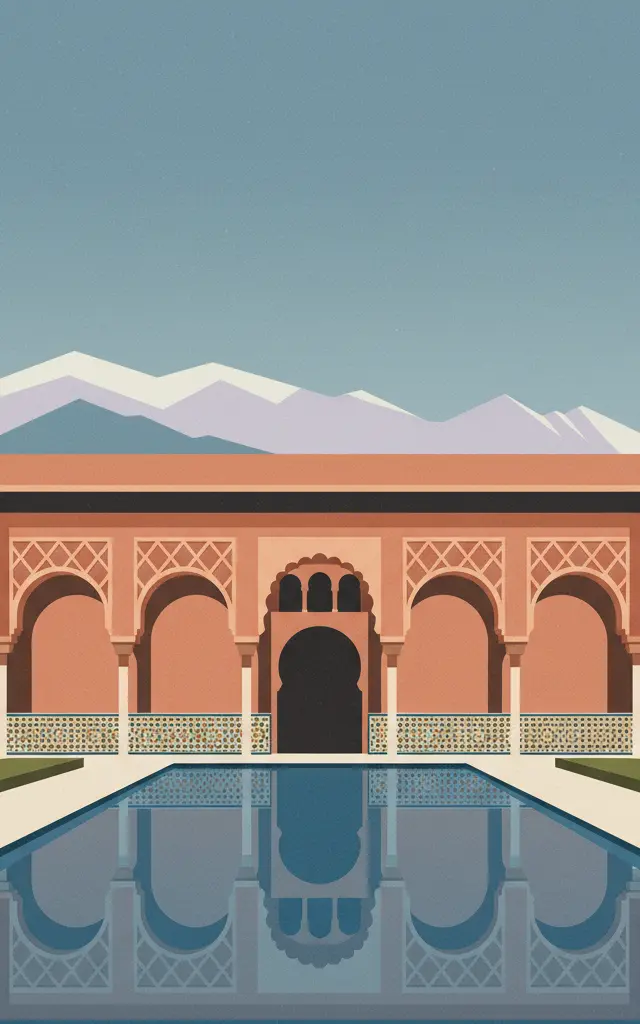
Alhambra
Spain · Nasrid Granada · 13th–15th centuries
Courtyards, carved stucco and precisely channelled water made the Alhambra a palace-city of remarkable intimacy. Its inscriptions and gardens carry the artistic legacy of the last Muslim dynasty in Iberia.
Best time & light
March–May or October; reserve a timed Nasrid Palaces entry and stay toward sunset as the Sierra Nevada catches the evening light.
 Chapter 05
A landscape aligned with the sky
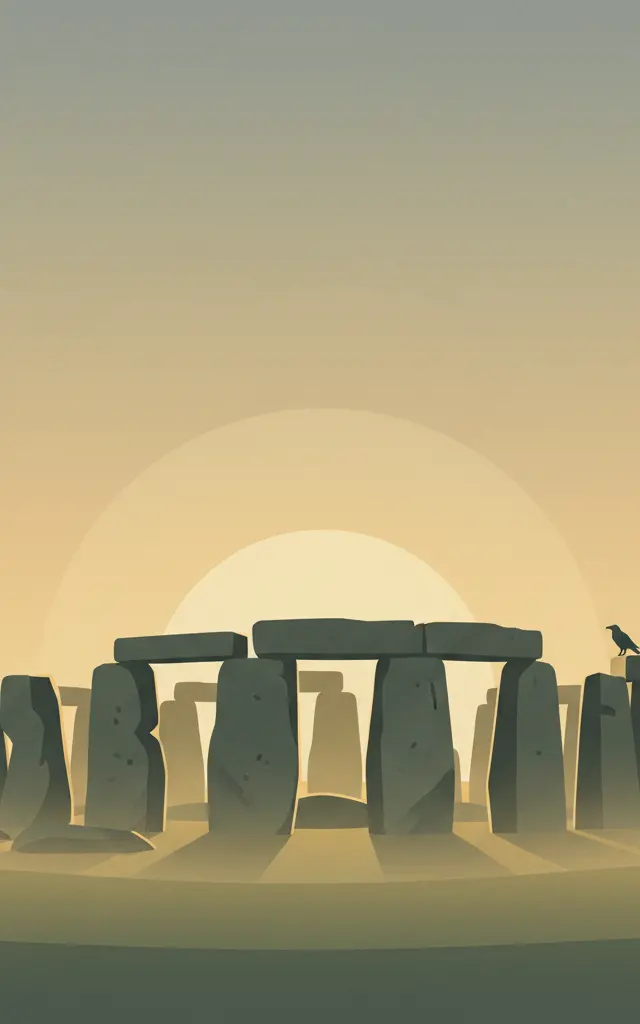
Stonehenge
United Kingdom · Neolithic and Bronze Age Britain · c. 3000–1600 BCE
Stonehenge belongs to a wider ceremonial landscape of avenues, burial mounds and settlements. Its solstitial alignment reveals generations of observation, labour and shared ritual.
Best time & light
May–June or September; book the first entry for quiet views, or seek a permitted inner-circle visit outside standard hours.
 Chapter 06
Tradition renewed
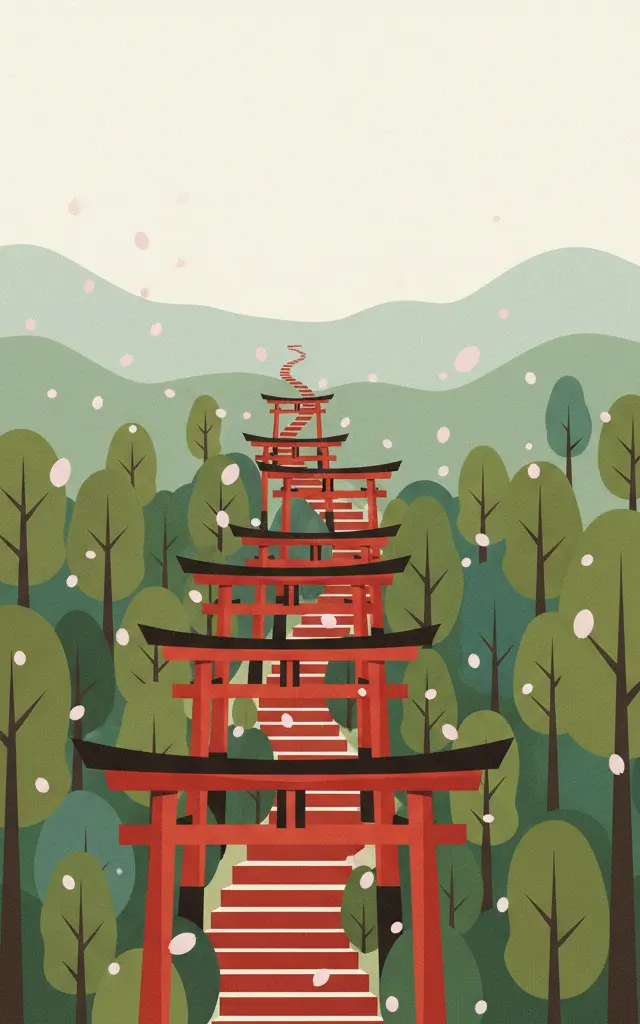
Historic Kyoto
Japan · Imperial Japan · 8th–17th centuries
Kyoto's temples, shrines, gardens and palaces show how imperial, Buddhist and warrior traditions evolved together. Living rituals and careful rebuilding keep that inheritance active rather than frozen in time.
Best time & light
Late March–April or November; begin at a temple garden at opening, before day visitors fill the most celebrated precincts.
The poster collection