Europe
UNESCO World Heritage Sites in Iran
Iranian World Heritage Sites · UNESCO sites in Iran map · historical landmarks in Iran
Iran has 29 sites on the UNESCO World Heritage List — 27 cultural and 2 natural inscriptions, inscribed between 1979 and 2025. This map of UNESCO sites in Iran covers every listing, with a short description, the inscription year and the nearest airports — the fastest way to see the country's most important historical sites and landmarks in one place.
Iranian World Heritage Sites range from Armenian Monastic Ensembles of Iran onwards; Meidan Emam, Esfahan was the country's first inscription, added in 1979; Prehistoric Sites of the Khorramabad Valley is the most recent, listed in 2025; recurring threads across the list include ancient civilizations, desert empires and lost cities.
One inscription is transnational, shared with neighbouring countries: Hyrcanian Forests. Start with Armenian Monastic Ensembles of Iran, Bam and its Cultural Landscape and Bisotun, then use the map above to plan a route between the rest.
- Sites
- 29
- Cultural
- 27
- Natural
- 2
- First inscribed
- 1979
Sites on the map
Flying in
Airports closest to the most sites in this country.
- SYZShiraz4 sites
- BXRBam3 sites
- DEFDezful3 sites
- SDGSanandaj Airport2 sites
- THRTehran2 sites
- IFNIsfahan2 sites
Keep exploring
All 29 sites in Iran
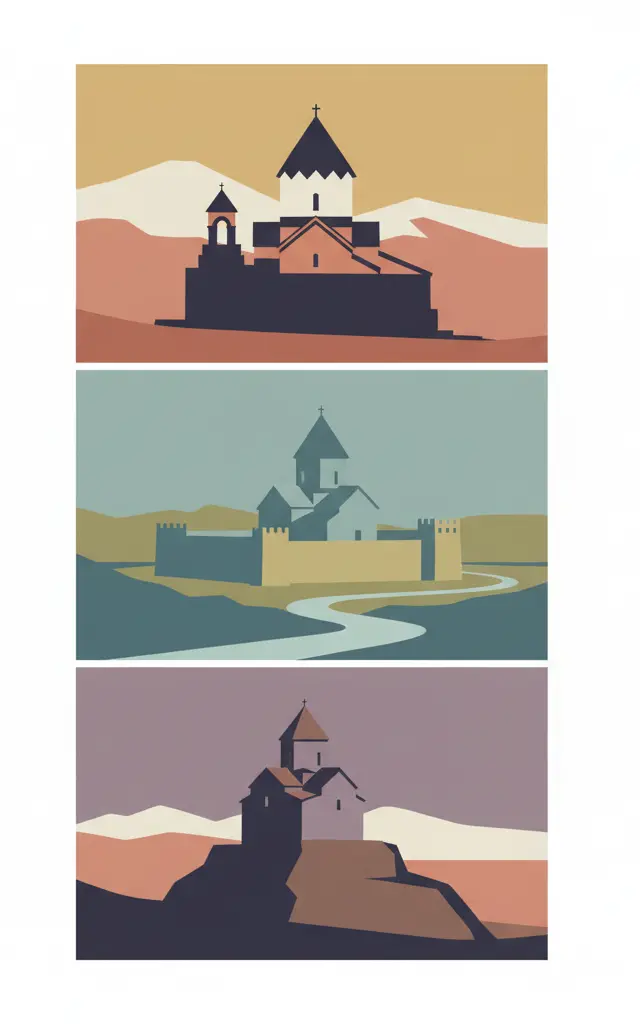
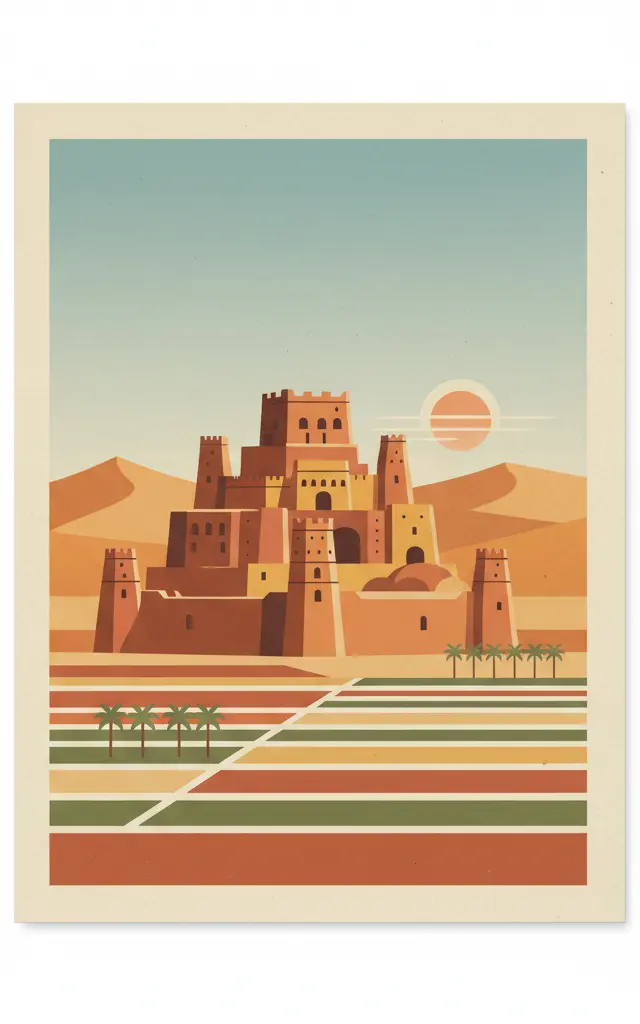
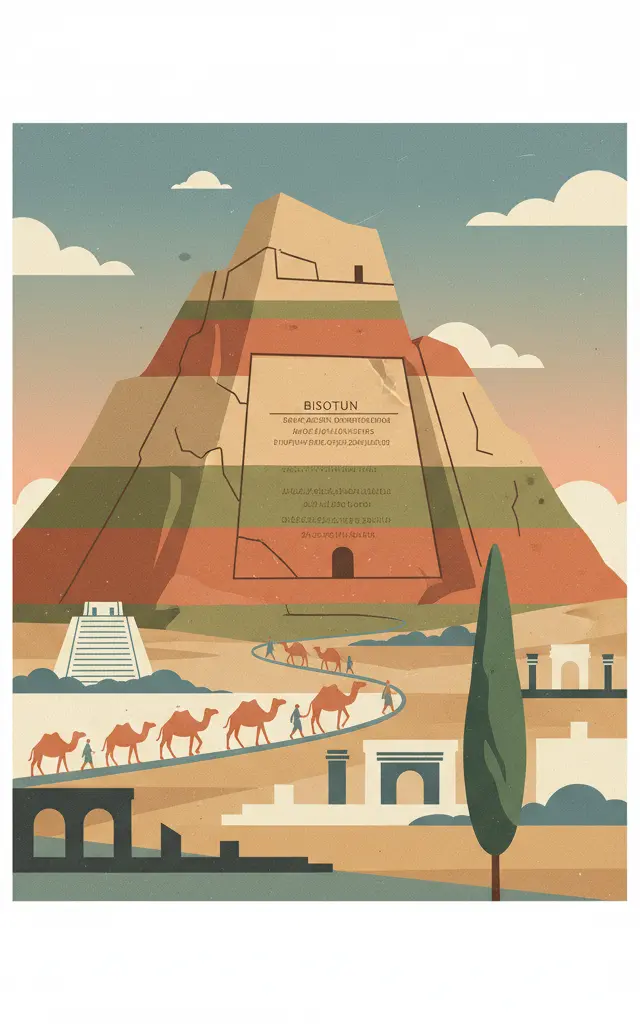
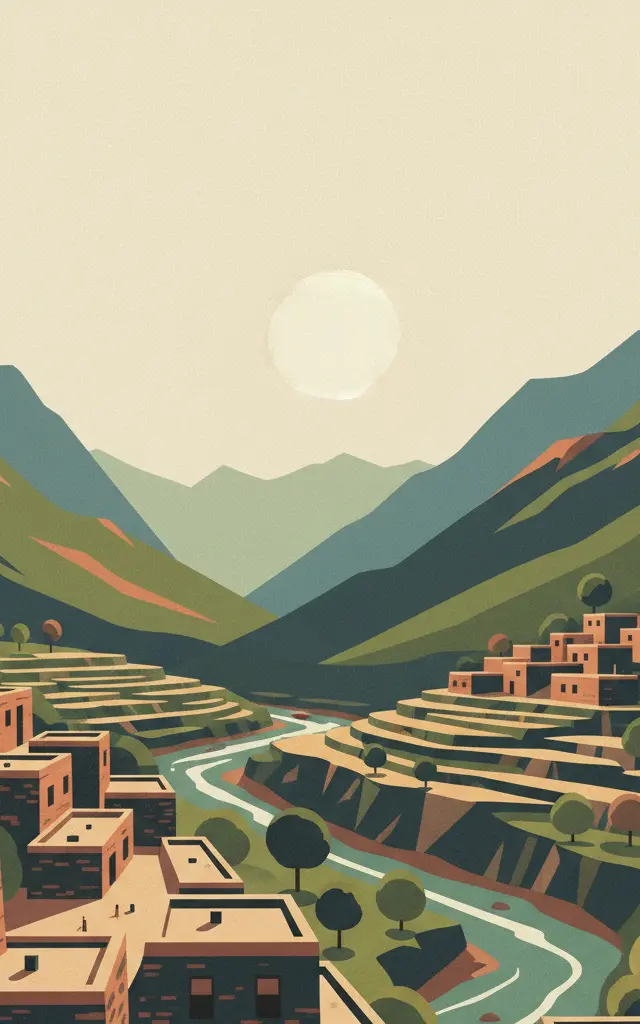







List of UNESCO World Heritage Sites in Iran
Every inscription with its year and category. Open a site for its story, map location and nearest airports.
| Site | Year | Type | What it is |
|---|---|---|---|
| Armenian Monastic Ensembles of IranThe Armenian Monastic Ensembles of Iran, in the north-west of the country, consists of three monastic ensembles of the… | 2008 | Cultural | The Armenian Monastic Ensembles of Iran, in the north-west of the country, consists of three monastic ensembles of the Armenian Christian faith: St… |
| Bam and its Cultural LandscapeBam is situated in a desert environment on the southern edge of the Iranian high plateau. | 2004 | Cultural | Bam is situated in a desert environment on the southern edge of the Iranian high plateau. |
| BisotunBisotun is located along the ancient trade route linking the Iranian high plateau with Mesopotamia and features remains… | 2006 | Cultural | Bisotun is located along the ancient trade route linking the Iranian high plateau with Mesopotamia and features remains from the prehistoric times to… |
| Cultural Landscape of Hawraman/UramanatThe remote and mountainous landscape of Hawraman/Uramanat bears testimony to the traditional culture of the Ha. | 2021 | Cultural | The remote and mountainous landscape of Hawraman/Uramanat bears testimony to the traditional culture of the Ha. |
| Cultural Landscape of MaymandMaymand is a self-contained, semi-arid area at the end of a valley at the southern extremity of Iran’s central… | 2015 | Cultural | Maymand is a self-contained, semi-arid area at the end of a valley at the southern extremity of Iran’s central mountains. The villagers are… |
| Golestan PalaceThe lavish Golestan Palace is a masterpiece of the Qajar era, embodying the successful integration of earlier. | 2013 | Cultural | The lavish Golestan Palace is a masterpiece of the Qajar era, embodying the successful integration of earlier. |
| Gonbad-e QābusThe 53 m high tomb built in ad 1006 for Qābus Ibn Voshmgir, Ziyarid ruler and literati, near the ruins of the. | 2012 | Cultural | The 53 m high tomb built in ad 1006 for Qābus Ibn Voshmgir, Ziyarid ruler and literati, near the ruins of the. |
| HegmatanehHegmataneh — UNESCO World Heritage Site. | 2024 | Cultural | Hegmataneh — UNESCO World Heritage Site. |
| Historic City of YazdThe City of Yazd is located in the middle of the Iranian plateau, 270 km southeast of Isfahan, close to the Sp. | 2017 | Cultural | The City of Yazd is located in the middle of the Iranian plateau, 270 km southeast of Isfahan, close to the Sp. |
| Hyrcanian ForestsThe Hyrcanian Forests form a unique forested massif that stretches along the Caspian Sea in Azerbaijan and Iran. | 2019 | Natural | The Hyrcanian Forests form a unique forested massif that stretches along the Caspian Sea in Azerbaijan and Iran. |
| Lut DesertLut Desert — UNESCO World Heritage Site. | 2016 | Natural | Lut Desert — UNESCO World Heritage Site. |
| Masjed-e Jāmé of IsfahanMasjed-e Jāmé of Isfahan — UNESCO World Heritage Site. | 2012 | Cultural | Masjed-e Jāmé of Isfahan — UNESCO World Heritage Site. |
| Meidan Emam, EsfahanBuilt by Shah Abbas I the Great at the beginning of the 17th century, and bordered on all sides by monumental buildings… | 1979 | Cultural | Built by Shah Abbas I the Great at the beginning of the 17th century, and bordered on all sides by monumental buildings linked by a series o. |
| PasargadaePasargadae — UNESCO World Heritage Site. | 2004 | Cultural | Pasargadae — UNESCO World Heritage Site. |
| PersepolisCeremonial capital of Darius. | 1979 | Cultural | Ceremonial capital of Darius. |
| Prehistoric Sites of the Khorramabad ValleyPrehistoric Sites of the Khorramabad Valley — UNESCO World Heritage Site. | 2025 | Cultural | Prehistoric Sites of the Khorramabad Valley — UNESCO World Heritage Site. |
| Sassanid Archaeological Landscape of Fars RegionSassanid Archaeological Landscape of Fars Region — UNESCO World Heritage Site. | 2018 | Cultural | Sassanid Archaeological Landscape of Fars Region — UNESCO World Heritage Site. |
| Shahr-i SokhtaShahr-i Sokhta — UNESCO World Heritage Site. | 2014 | Cultural | Shahr-i Sokhta — UNESCO World Heritage Site. |
| Sheikh Safi al-din Khānegāh and Shrine Ensemble in ArdabilSheikh Safi al-din Khānegāh and Shrine Ensemble in Ardabil — UNESCO World Heritage Site. | 2010 | Cultural | Sheikh Safi al-din Khānegāh and Shrine Ensemble in Ardabil — UNESCO World Heritage Site. |
| Shushtar Historical Hydraulic SystemShushtar Historical Hydraulic System — UNESCO World Heritage Site. | 2009 | Cultural | Shushtar Historical Hydraulic System — UNESCO World Heritage Site. |
| SoltaniyehSoltaniyeh — UNESCO World Heritage Site. | 2005 | Cultural | Soltaniyeh — UNESCO World Heritage Site. |
| SusaLocated in the south-west of Iran, in the lower Zagros Mountains, the property encompasses a group of archaeol. | 2015 | Cultural | Located in the south-west of Iran, in the lower Zagros Mountains, the property encompasses a group of archaeol. |
| Tabriz Historic Bazaar ComplexTabriz Historic Bazaar Complex — UNESCO World Heritage Site. | 2010 | Cultural | Tabriz Historic Bazaar Complex — UNESCO World Heritage Site. |
| Takht-e SoleymanThe archaeological site of Takht-e Soleyman, in north-western Iran, is situated in a valley set in a volcanic. | 2003 | Cultural | The archaeological site of Takht-e Soleyman, in north-western Iran, is situated in a valley set in a volcanic. |
| Tchogha ZanbilThe ruins of the holy city of the Kingdom of Elam, surrounded by three huge concentric walls, are found at Tchogha… | 1979 | Cultural | The ruins of the holy city of the Kingdom of Elam, surrounded by three huge concentric walls, are found at Tchogha Zanbil. Founded c. 1250 B. |
| The Persian CaravanseraiThe Persian Caravanserai — UNESCO World Heritage Site. | 2023 | Cultural | The Persian Caravanserai — UNESCO World Heritage Site. |
| The Persian GardenThe Persian Garden — UNESCO World Heritage Site. | 2011 | Cultural | The Persian Garden — UNESCO World Heritage Site. |
| The Persian QanatThe Persian Qanat — UNESCO World Heritage Site. | 2016 | Cultural | The Persian Qanat — UNESCO World Heritage Site. |
| Trans-Iranian RailwayTrans-Iranian Railway — UNESCO World Heritage Site. | 2021 | Cultural | Trans-Iranian Railway — UNESCO World Heritage Site. |
Frequently asked questions about World Heritage in Iran
- How many UNESCO World Heritage Sites are there in Iran?
- Iran has 29 UNESCO World Heritage Sites: 27 cultural and 2 natural.
- What was the first World Heritage Site in Iran?
- Meidan Emam, Esfahan was inscribed in 1979. Built by Shah Abbas I the Great at the beginning of the 17th century, and bordered on all sides by monumental buildings linked by a series o.
- What is the newest World Heritage Site in Iran?
- Prehistoric Sites of the Khorramabad Valley, inscribed in 2025. Prehistoric Sites of the Khorramabad Valley — UNESCO World Heritage Site.
- Which sites in Iran are natural World Heritage Sites?
- 2 of the 29 listings are natural: Hyrcanian Forests and Lut Desert.
- Which UNESCO sites in Iran are easiest to reach?
- Each site page lists the closest airports with distance, so you can pick the gateway city first and work outwards. The "Flying in" panel on this page shows the main gateways for Iran.
- What are the main historical sites and landmarks in Iran?
- The 29 UNESCO-listed sites above are Iran's internationally recognised historical sites and landmarks, starting with Meidan Emam, Esfahan (1979). Each entry links to a full page with a map, photos and travel notes.
- Is there a map of Iranian World Heritage Sites?
- Yes — the map on this page plots all 29 Iranian UNESCO World Heritage Sites; click any marker to open that site's page.