| Amami-Oshima Island, Tokunoshima Island, Northern part of Okinawa Island, and Iriomote IslandEncompassing 42,698 hectares of subtropical rainforests on four islands on a chain located in the southwest of Japan… | 2021 | Natural | Encompassing 42,698 hectares of subtropical rainforests on four islands on a chain located in the southwest of Japan, the serial site forms an arc on… |
| Buddhist Monuments in the Horyu-ji AreaThere are around 48 Buddhist monuments in the Horyu-ji area, in Nara Prefecture. | 1993 | Cultural | There are around 48 Buddhist monuments in the Horyu-ji area, in Nara Prefecture. |
| Fujisan, sacred place and source of artistic inspirationThe beauty of the solitary, often snow-capped, stratovolcano, known around the world as Mount Fuji, rising above village. | 2013 | Cultural | The beauty of the solitary, often snow-capped, stratovolcano, known around the world as Mount Fuji, rising above village. |
| Gusuku Sites and Related Properties of the Kingdom of RyukyuFive hundred years of Ryukyuan history (12th-17th century) are represented by this group of sites and monuments. | 2000 | Cultural | Five hundred years of Ryukyuan history (12th-17th century) are represented by this group of sites and monuments. |
| Hidden Christian Sites in the Nagasaki RegionLocated in the north-western part of Kyushu island, this serial property consists of ten villages, remains of the Hara… | 2018 | Cultural | Located in the north-western part of Kyushu island, this serial property consists of ten villages, remains of the Hara Castle and a cathedral, dating… |
| Himeji-joHimeji-jo is the finest surviving example of early 17th-century Japanese castle architecture, comprising 83 buildings wi. | 1993 | Cultural | Himeji-jo is the finest surviving example of early 17th-century Japanese castle architecture, comprising 83 buildings wi. |
| Hiraizumi – Temples, Gardens and Archaeological Sites Representing the Buddhist Pure LandHiraizumi – Temples, Gardens and Archaeological Sites Representing the Buddhist Pure Land — UNESCO World Heritage Site. | 2011 | Cultural | Hiraizumi – Temples, Gardens and Archaeological Sites Representing the Buddhist Pure Land — UNESCO World Heritage Site. |
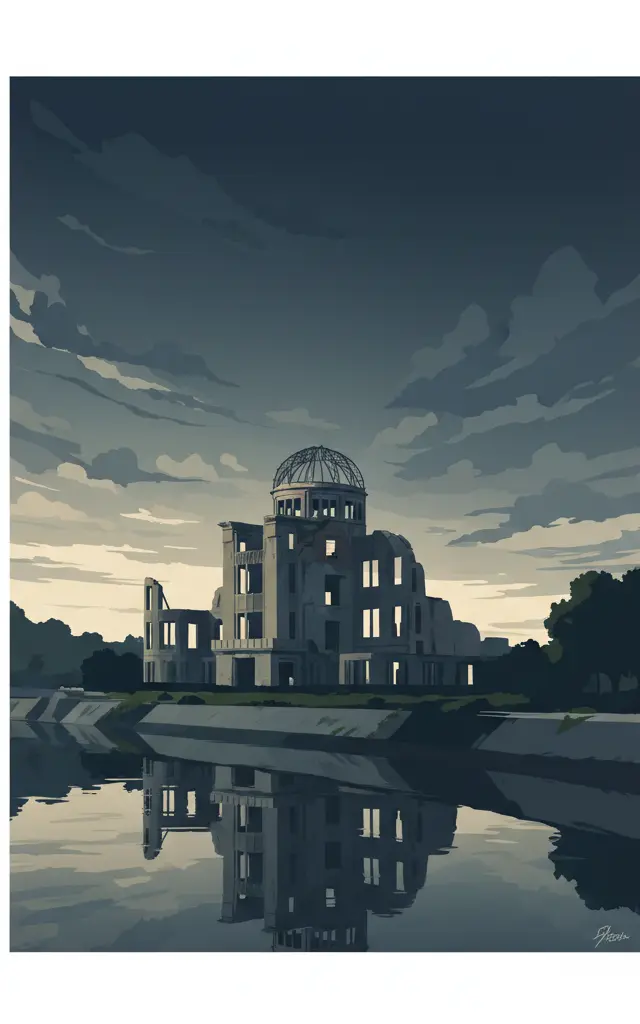
| Hiroshima Peace Memorial (Genbaku Dome)The Hiroshima Peace Memorial (Genbaku Dome) was the only structure left standing in the area where the first atomic bomb. | 1996 | Cultural | The Hiroshima Peace Memorial (Genbaku Dome) was the only structure left standing in the area where the first atomic bomb. |
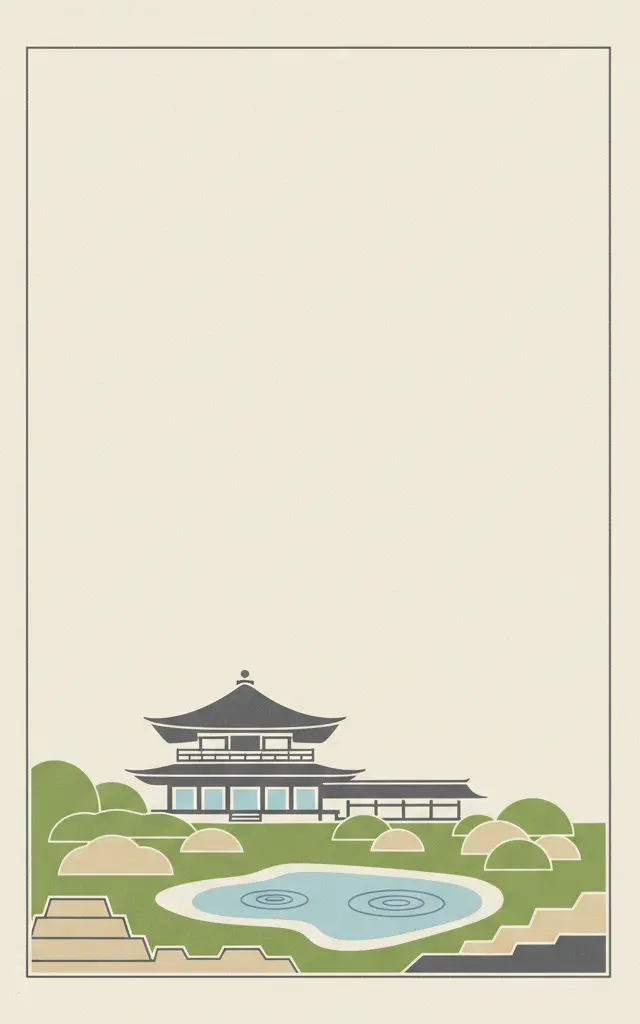
| Historic KyotoTemples, gardens, and a thousand torii. | 1994 | Cultural | Temples, gardens, and a thousand torii. |
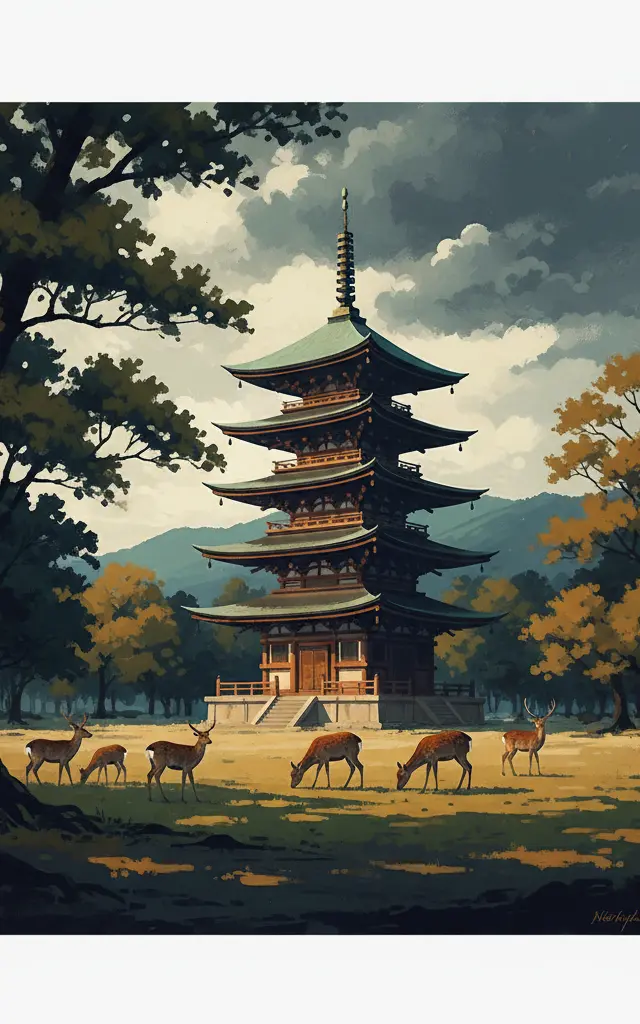
| Historic Monuments of Ancient NaraNara was the capital of Japan from 710 to 784. | 1998 | Cultural | Nara was the capital of Japan from 710 to 784. |
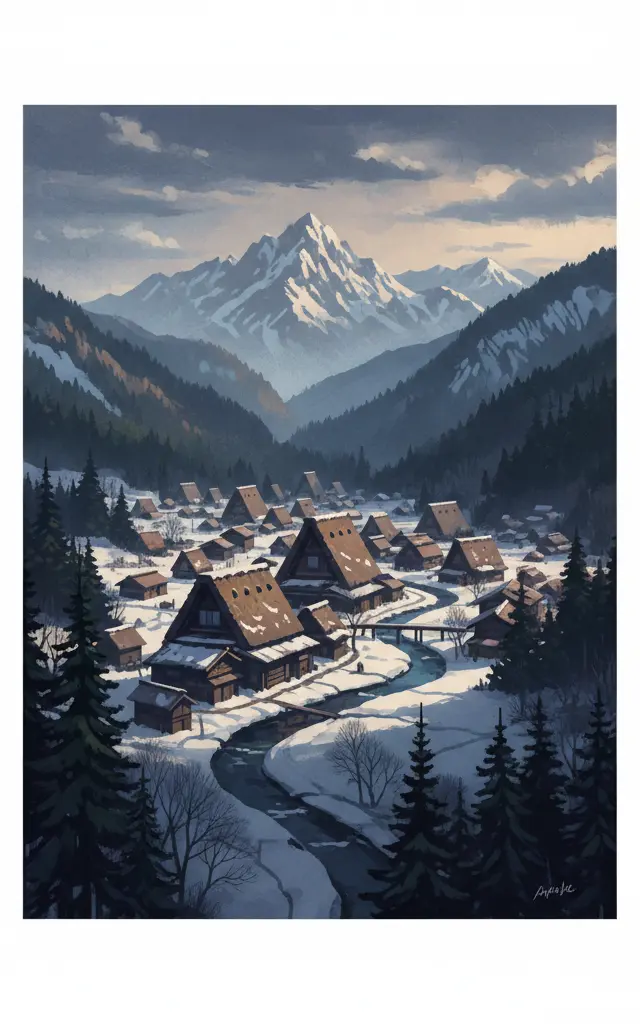
| Historic Villages of Shirakawa-go and GokayamaLocated in a mountainous region that was cut off from the rest of the world for a long period of time, these villages wi. | 1995 | Cultural | Located in a mountainous region that was cut off from the rest of the world for a long period of time, these villages wi. |
| Itsukushima Shinto ShrineThe island of Itsukushima, in the Seto inland sea, has been a holy place of Shintoism since the earliest times. | 1996 | Cultural | The island of Itsukushima, in the Seto inland sea, has been a holy place of Shintoism since the earliest times. |
| Iwami Ginzan Silver Mine and its Cultural LandscapeThe Iwami Ginzan Silver Mine in the south-west of Honshu Island is a cluster of mountains, rising to 600 m and. | 2007 | Cultural | The Iwami Ginzan Silver Mine in the south-west of Honshu Island is a cluster of mountains, rising to 600 m and. |
| Jomon Prehistoric Sites in Northern JapanJomon Prehistoric Sites in Northern Japan — UNESCO World Heritage Site. | 2021 | Cultural | Jomon Prehistoric Sites in Northern Japan — UNESCO World Heritage Site. |
| Mozu-Furuichi Kofun Group: Mounded Tombs of Ancient JapanMozu-Furuichi Kofun Group: Mounded Tombs of Ancient Japan — UNESCO World Heritage Site. | 2019 | Cultural | Mozu-Furuichi Kofun Group: Mounded Tombs of Ancient Japan — UNESCO World Heritage Site. |
| Ogasawara IslandsThe property numbers more than 30 islands clustered in three groups and covers surface area of 7,939 hectares. | 2011 | Natural | The property numbers more than 30 islands clustered in three groups and covers surface area of 7,939 hectares. |
| Sacred Island of Okinoshima and Associated Sites in the Munakata RegionSacred Island of Okinoshima and Associated Sites in the Munakata Region — UNESCO World Heritage Site. | 2017 | Cultural | Sacred Island of Okinoshima and Associated Sites in the Munakata Region — UNESCO World Heritage Site. |
| Sacred Sites and Pilgrimage Routes in the Kii Mountain RangeSet in the dense forests of the Kii Mountains overlooking the Pacific Ocean, three sacred sites – Yoshino and. | 2004 | Cultural | Set in the dense forests of the Kii Mountains overlooking the Pacific Ocean, three sacred sites – Yoshino and. |
| Sado Island Gold MinesThe Sado Island Gold Mines is a serial property located on Sado Island, some thirty-five kilometres west of th. | 2024 | Cultural | The Sado Island Gold Mines is a serial property located on Sado Island, some thirty-five kilometres west of th. |
| Shirakami-SanchiShirakami-Sanchi — UNESCO World Heritage Site. | 1993 | Natural | Shirakami-Sanchi — UNESCO World Heritage Site. |
| ShiretokoShiretoko Peninsula is located in the north-east of Hokkaido, the northernmost island of Japan. | 2005 | Natural | Shiretoko Peninsula is located in the north-east of Hokkaido, the northernmost island of Japan. |
| Shrines and Temples of NikkoThe shrines and temples of Nikko, together with their natural surroundings, have for centuries been a sacred site known. | 1999 | Cultural | The shrines and temples of Nikko, together with their natural surroundings, have for centuries been a sacred site known. |
| Sites of Japan’s Meiji Industrial Revolution: Iron and Steel, Shipbuilding and Coal MiningSites of Japan’s Meiji Industrial Revolution: Iron and Steel, Shipbuilding and Coal Mining — UNESCO World Heritage Site. | 2015 | Cultural | Sites of Japan’s Meiji Industrial Revolution: Iron and Steel, Shipbuilding and Coal Mining — UNESCO World Heritage Site. |
| The Architectural Work of Le Corbusier, an Outstanding Contribution to the Modern MovementChosen from the work of Le Corbusier, the 17 sites comprising this transnational serial property are spread over seven… | 2016 | Cultural | Chosen from the work of Le Corbusier, the 17 sites comprising this transnational serial property are spread over seven countries and are a… |
| Tomioka Silk Mill and Related SitesTomioka Silk Mill and Related Sites — UNESCO World Heritage Site. | 2014 | Cultural | Tomioka Silk Mill and Related Sites — UNESCO World Heritage Site. |
| YakushimaAncient cedar forest in perpetual rain. | 1993 | Natural | Ancient cedar forest in perpetual rain. |