Europe
UNESCO World Heritage Sites in South Korea
Korean World Heritage Sites · UNESCO sites in South Korea map · historical landmarks in South Korea
South Korea has 17 sites on the UNESCO World Heritage List — 15 cultural and 2 natural inscriptions, inscribed between 1995 and 2025. This map of UNESCO sites in South Korea covers every listing, with a short description, the inscription year and the nearest airports — the fastest way to see the country's most important historical sites and landmarks in one place.
Korean World Heritage Sites range from Baekje Historic Areas onwards; Haeinsa Temple Janggyeong Panjeon, the Depositories for the Tripitaka Koreana Woodblocks was the country's first inscription, added in 1995; Petroglyphs along the Bangucheon Stream is the most recent, listed in 2025; recurring threads across the list include ancient civilizations.
Start with Baekje Historic Areas, Changdeokgung Palace Complex and Gaya Tumuli, then use the map above to plan a route between the rest.
- Sites
- 17
- Cultural
- 15
- Natural
- 2
- First inscribed
- 1995
Sites on the map
Flying in
Airports closest to the most sites in this country.
- GMPSeoul4 sites
- KWJGwangju2 sites
- KPOPohang2 sites
- USNUlsan2 sites
- KUVGunsan1 site
- HINSacheon1 site
Keep exploring
All 17 sites in South Korea




List of UNESCO World Heritage Sites in South Korea
Every inscription with its year and category. Open a site for its story, map location and nearest airports.
| Site | Year | Type | What it is |
|---|---|---|---|
| Baekje Historic AreasBaekje Historic Areas — UNESCO World Heritage Site. | 2015 | Cultural | Baekje Historic Areas — UNESCO World Heritage Site. |
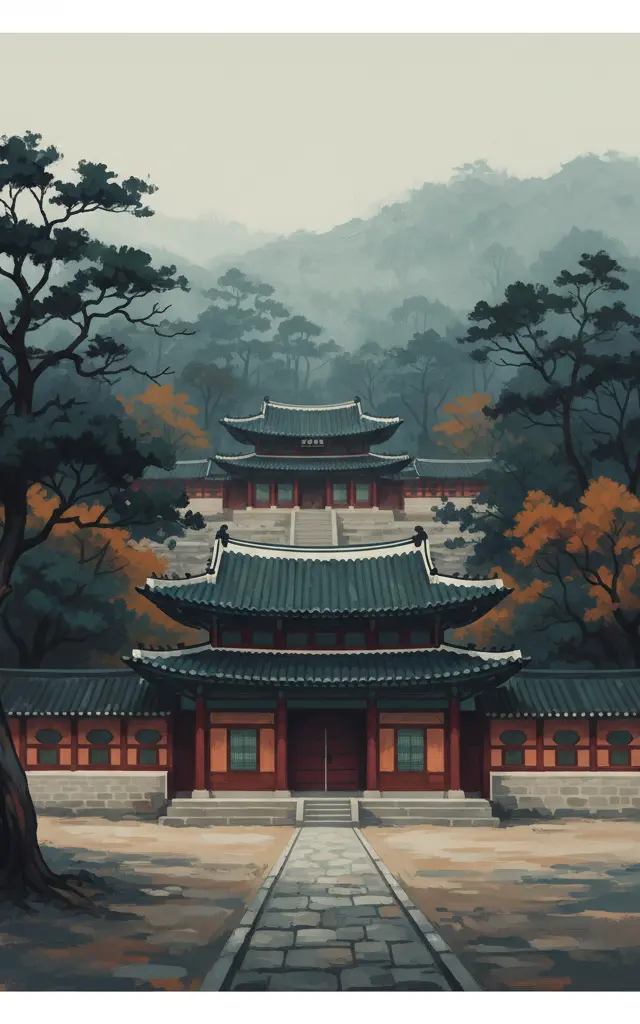
| Changdeokgung Palace ComplexIn the early 15th century, the King Taejong ordered the construction of a new palace at an auspicious site. | 1997 | Cultural | In the early 15th century, the King Taejong ordered the construction of a new palace at an auspicious site. |
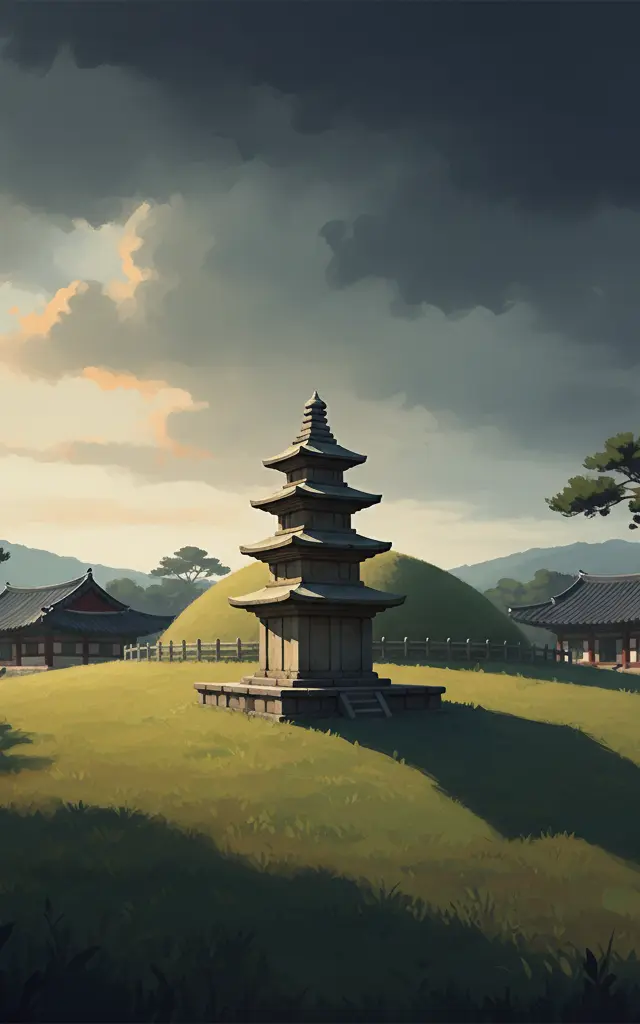
| Gaya TumuliThis serial property includes archaeological cemetery sites with burial mounds attributed to the Gaya Confeder. | 2023 | Cultural | This serial property includes archaeological cemetery sites with burial mounds attributed to the Gaya Confeder. |
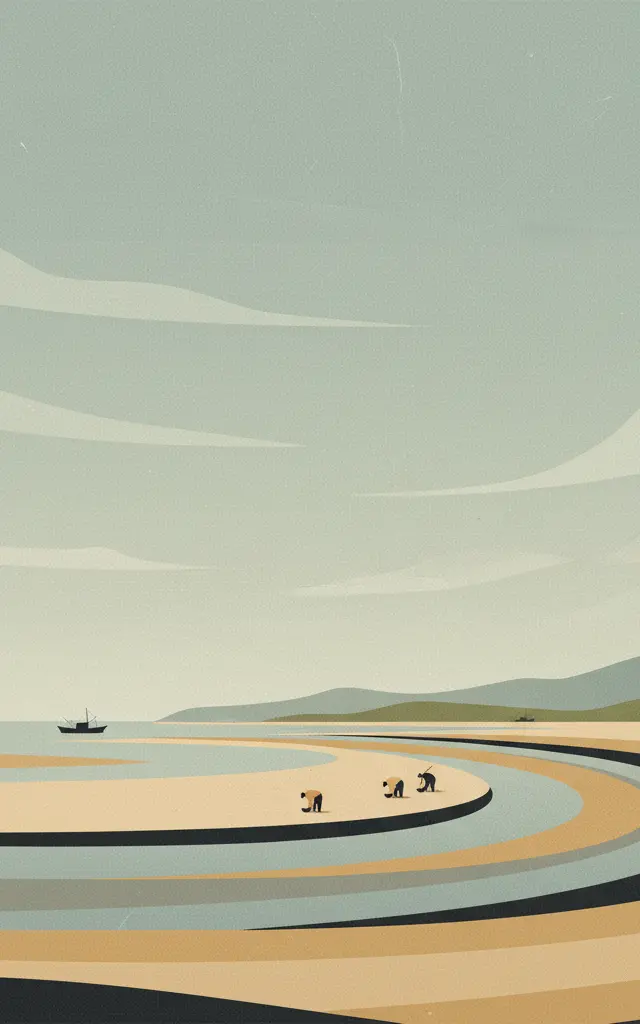
| Getbol, Korean Tidal FlatsGetbol, Korean Tidal Flats — UNESCO World Heritage Site. | 2021 | Natural | Getbol, Korean Tidal Flats — UNESCO World Heritage Site. |
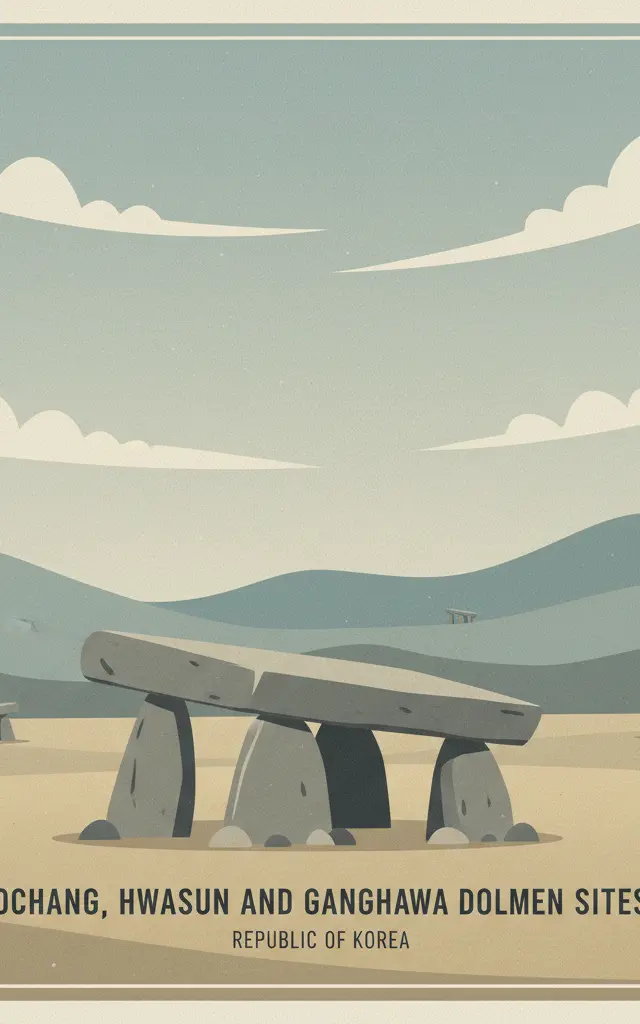
| Gochang, Hwasun and Ganghwa Dolmen SitesGochang, Hwasun and Ganghwa Dolmen Sites — UNESCO World Heritage Site. | 2000 | Cultural | Gochang, Hwasun and Ganghwa Dolmen Sites — UNESCO World Heritage Site. |
| Gyeongju Historic AreasThe Gyeongju Historic Areas contain a remarkable concentration of outstanding examples of Korean Buddhist art, in the fo. | 2000 | Cultural | The Gyeongju Historic Areas contain a remarkable concentration of outstanding examples of Korean Buddhist art, in the fo. |
| Haeinsa Temple Janggyeong Panjeon, the Depositories for the Tripitaka Koreana WoodblocksHaeinsa Temple Janggyeong Panjeon, the Depositories for the <I>Tripitaka Koreana</I> Woodblocks — UNESCO World Heritage… | 1995 | Cultural | Haeinsa Temple Janggyeong Panjeon, the Depositories for the <I>Tripitaka Koreana</I> Woodblocks — UNESCO World Heritage Site. |
| Historic Villages of Korea: Hahoe and YangdongHistoric Villages of Korea: Hahoe and Yangdong — UNESCO World Heritage Site. | 2010 | Cultural | Historic Villages of Korea: Hahoe and Yangdong — UNESCO World Heritage Site. |
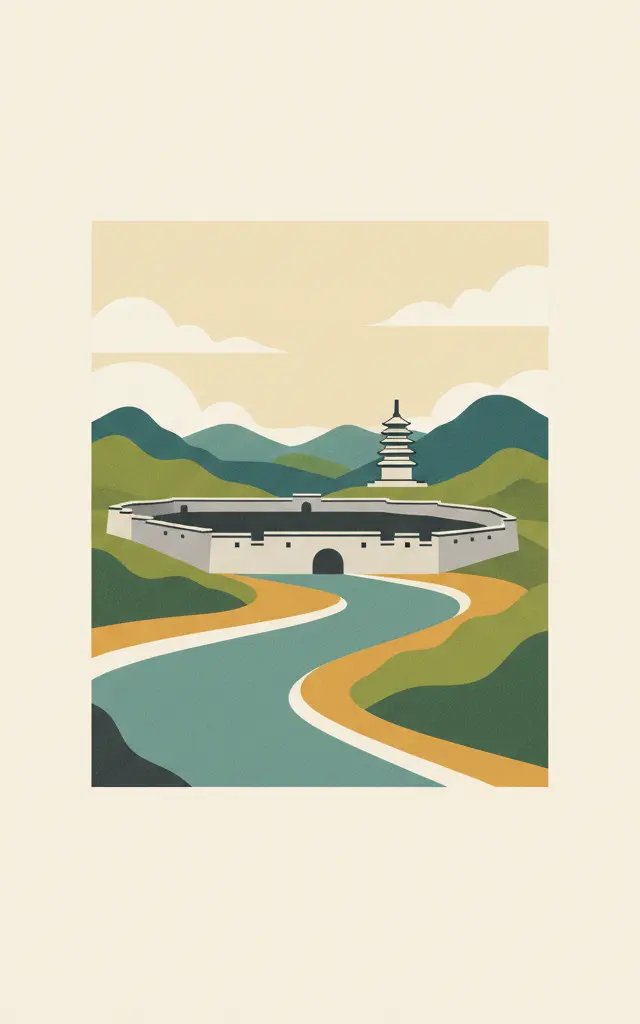
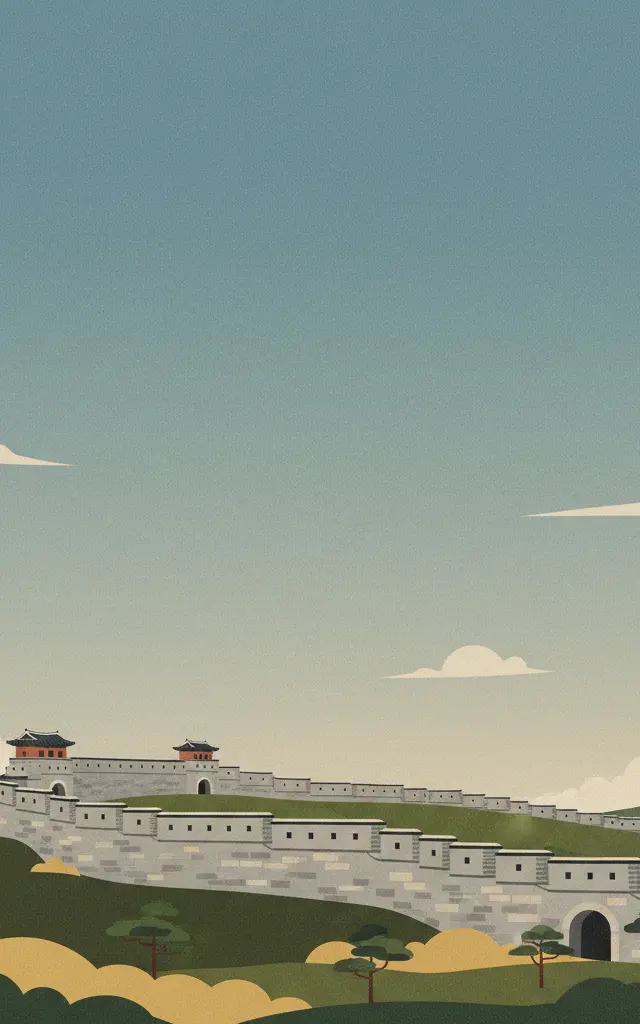
| Hwaseong FortressWhen the Joseon King Jeongjo moved his father's tomb to Suwon at the end of the 18th century, he surrounded it. | 1997 | Cultural | When the Joseon King Jeongjo moved his father's tomb to Suwon at the end of the 18th century, he surrounded it. |
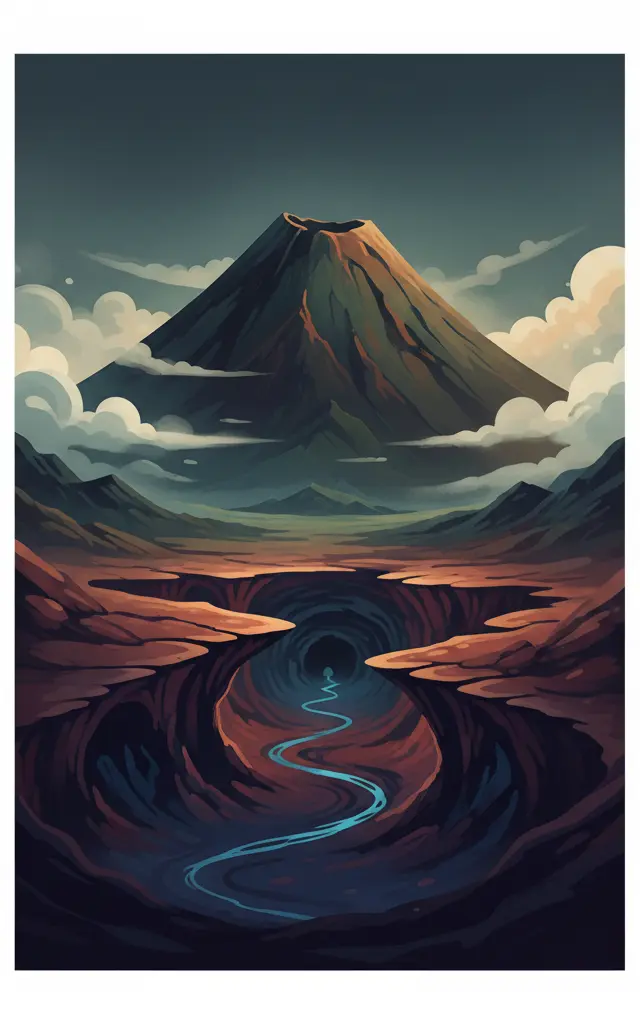
| Jeju Volcanic Island and Lava TubesJeju Volcanic Island and Lava Tubes together comprise three sites that make up 18,846 ha. | 2007 | Natural | Jeju Volcanic Island and Lava Tubes together comprise three sites that make up 18,846 ha. |
| Jongmyo ShrineJongmyo is the oldest and most authentic of the Confucian royal shrines to have been preserved. | 1995 | Cultural | Jongmyo is the oldest and most authentic of the Confucian royal shrines to have been preserved. |
| NamhansanseongNamhansanseong — UNESCO World Heritage Site. | 2014 | Cultural | Namhansanseong — UNESCO World Heritage Site. |
| Petroglyphs along the Bangucheon StreamPetroglyphs along the Bangucheon Stream — UNESCO World Heritage Site. | 2025 | Cultural | Petroglyphs along the Bangucheon Stream — UNESCO World Heritage Site. |
| Royal Tombs of the Joseon DynastyRoyal Tombs of the Joseon Dynasty — UNESCO World Heritage Site. | 2009 | Cultural | Royal Tombs of the Joseon Dynasty — UNESCO World Heritage Site. |
| Sansa, Buddhist Mountain Monasteries in KoreaSansa, Buddhist Mountain Monasteries in Korea — UNESCO World Heritage Site. | 2018 | Cultural | Sansa, Buddhist Mountain Monasteries in Korea — UNESCO World Heritage Site. |
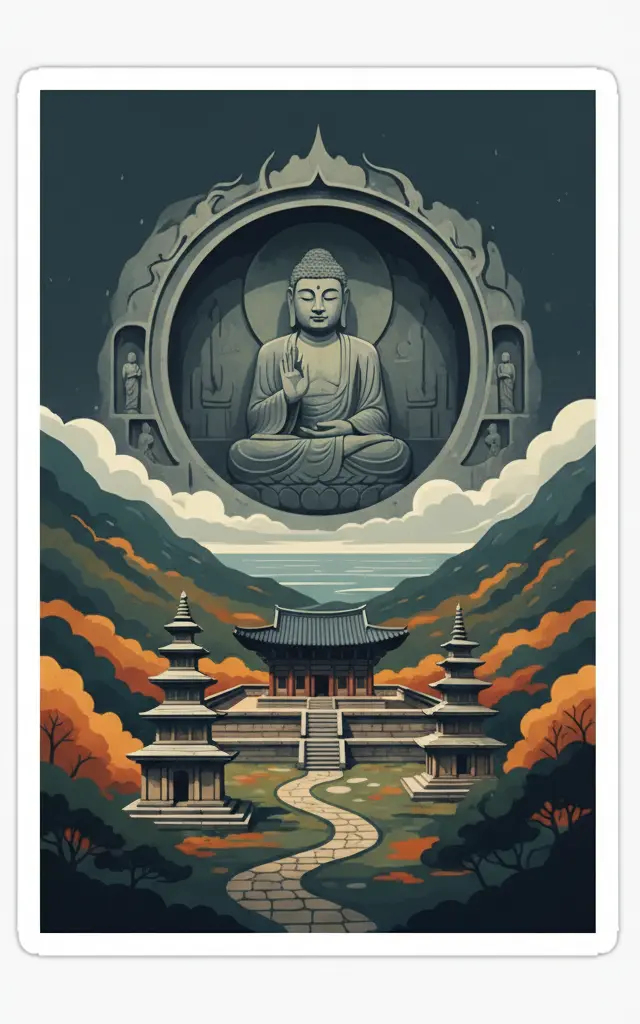
| Seokguram Grotto and Bulguksa TempleEstablished in the 8th century on the slopes of Mount Toham, the Seokguram Grotto contains a monumental statue of the Bu. | 1995 | Cultural | Established in the 8th century on the slopes of Mount Toham, the Seokguram Grotto contains a monumental statue of the Bu. |
| Seowon, Korean Neo-Confucian AcademiesSeowon, Korean Neo-Confucian Academies — UNESCO World Heritage Site. | 2019 | Cultural | Seowon, Korean Neo-Confucian Academies — UNESCO World Heritage Site. |
Frequently asked questions about World Heritage in South Korea
- How many UNESCO World Heritage Sites are there in South Korea?
- South Korea has 17 UNESCO World Heritage Sites: 15 cultural and 2 natural.
- What was the first World Heritage Site in South Korea?
- Haeinsa Temple Janggyeong Panjeon, the Depositories for the Tripitaka Koreana Woodblocks was inscribed in 1995. Haeinsa Temple Janggyeong Panjeon, the Depositories for the <I>Tripitaka Koreana</I> Woodblocks — UNESCO World Heritage Site.
- What is the newest World Heritage Site in South Korea?
- Petroglyphs along the Bangucheon Stream, inscribed in 2025. Petroglyphs along the Bangucheon Stream — UNESCO World Heritage Site.
- Which sites in South Korea are natural World Heritage Sites?
- 2 of the 17 listings are natural: Getbol, Korean Tidal Flats and Jeju Volcanic Island and Lava Tubes.
- Which UNESCO sites in South Korea are easiest to reach?
- Each site page lists the closest airports with distance, so you can pick the gateway city first and work outwards. The "Flying in" panel on this page shows the main gateways for South Korea.
- What are the main historical sites and landmarks in South Korea?
- The 17 UNESCO-listed sites above are South Korea's internationally recognised historical sites and landmarks, starting with Haeinsa Temple Janggyeong Panjeon, the Depositories for the Tripitaka Koreana Woodblocks (1995). Each entry links to a full page with a map, photos and travel notes.
- Is there a map of Korean World Heritage Sites?
- Yes — the map on this page plots all 17 Korean UNESCO World Heritage Sites; click any marker to open that site's page.