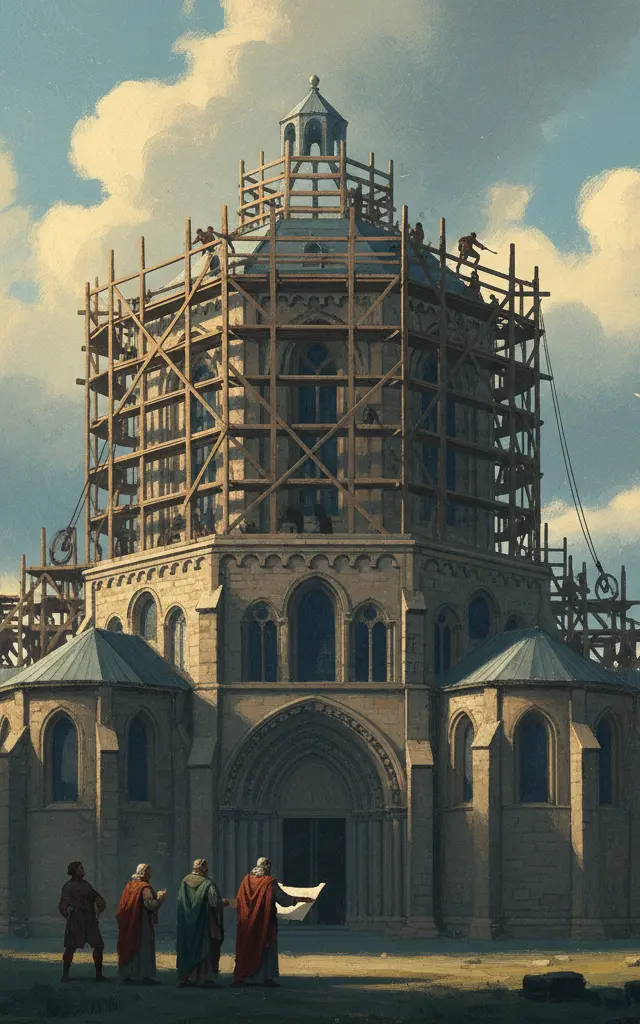
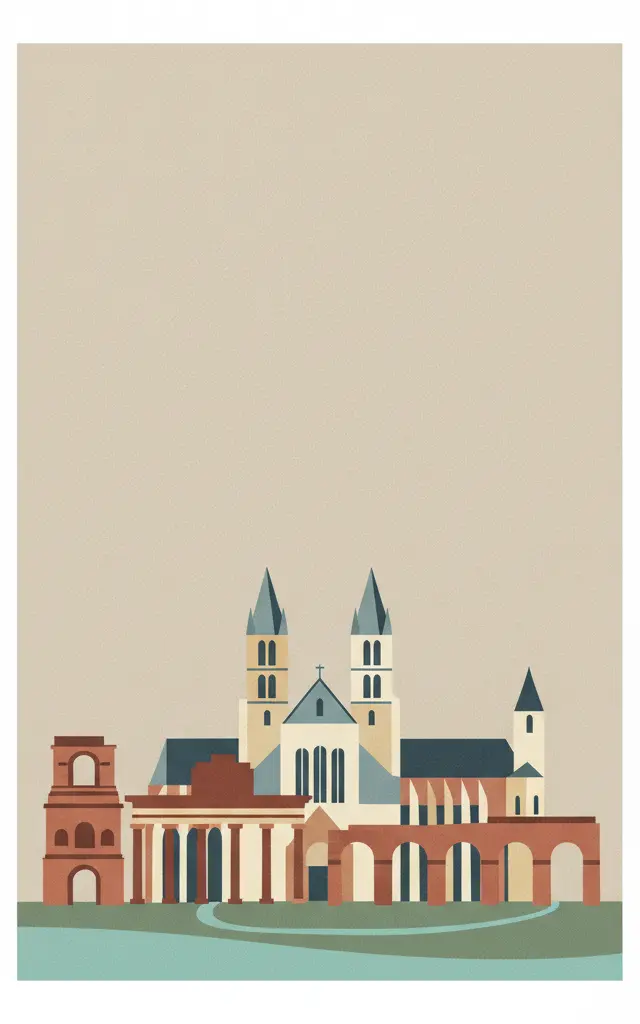
| Aachen CathedralConstruction of this palatine chapel, with its octagonal basilica and cupola, began c. | 1978 | Cultural | Construction of this palatine chapel, with its octagonal basilica and cupola, began c. 790–800 under the Emperor Charlemagne. Originally ins. |
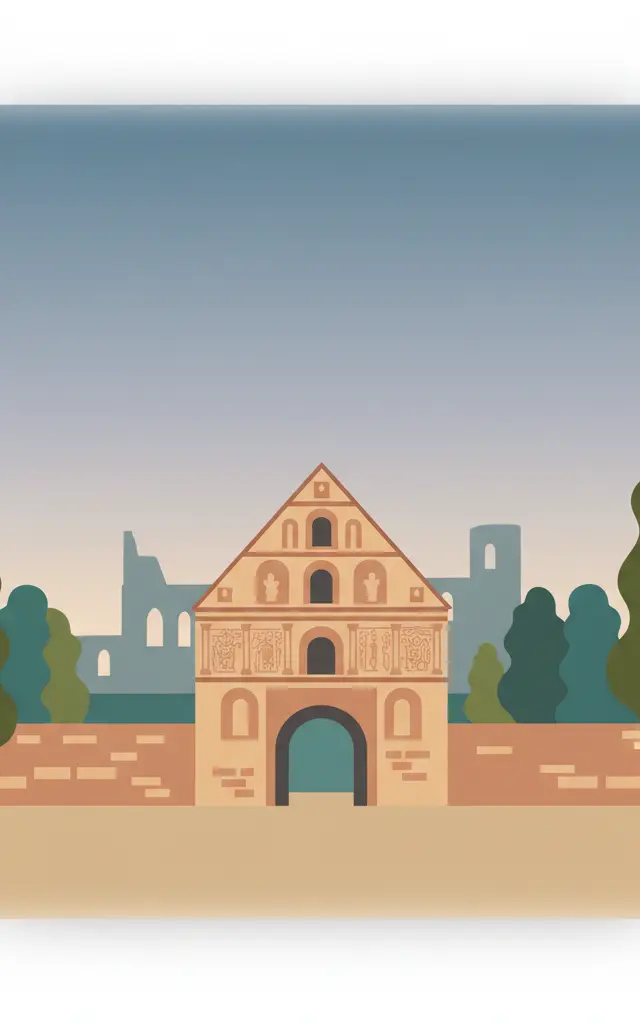
| Abbey and Altenmünster of LorschThe abbey, together with its monumental entrance, the famous 'Torhall', are rare architectural vestiges of the… | 1991 | Cultural | The abbey, together with its monumental entrance, the famous 'Torhall', are rare architectural vestiges of the Carolingian era. |
| Ancient Beech Forests of EuropeThis transnational property includes 93 component parts in 18 countries. | 2007 | Natural | This transnational property includes 93 component parts in 18 countries. |
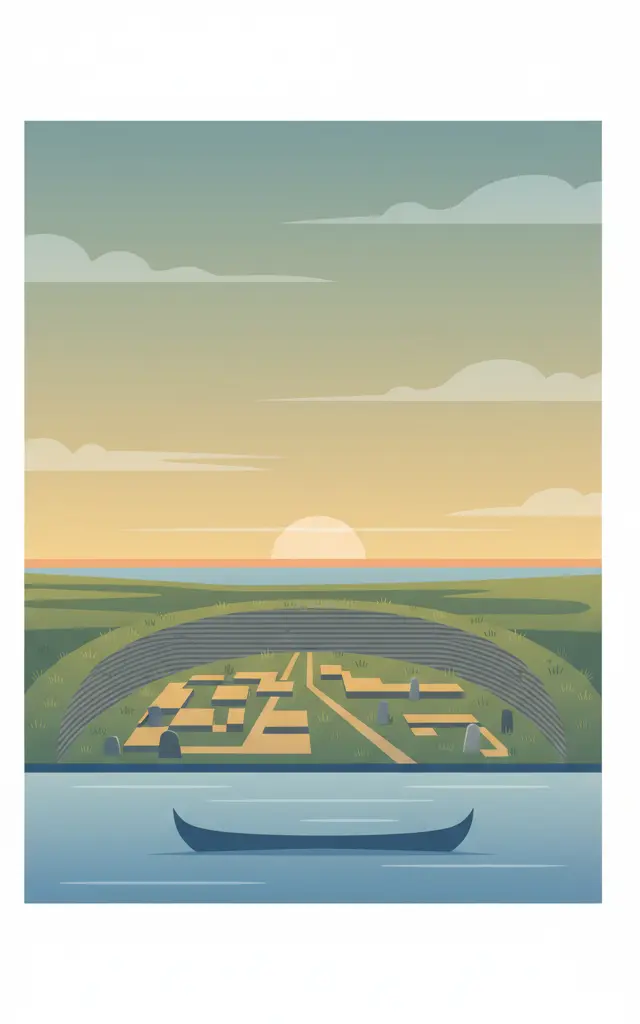
| Archaeological Border complex of Hedeby and the DanevirkeThe archaeological site of Hedeby consists of the remains of an emporium – or trading town – containing traces of… | 2018 | Cultural | The archaeological site of Hedeby consists of the remains of an emporium – or trading town – containing traces of roads, buildings, cemeteries and a… |
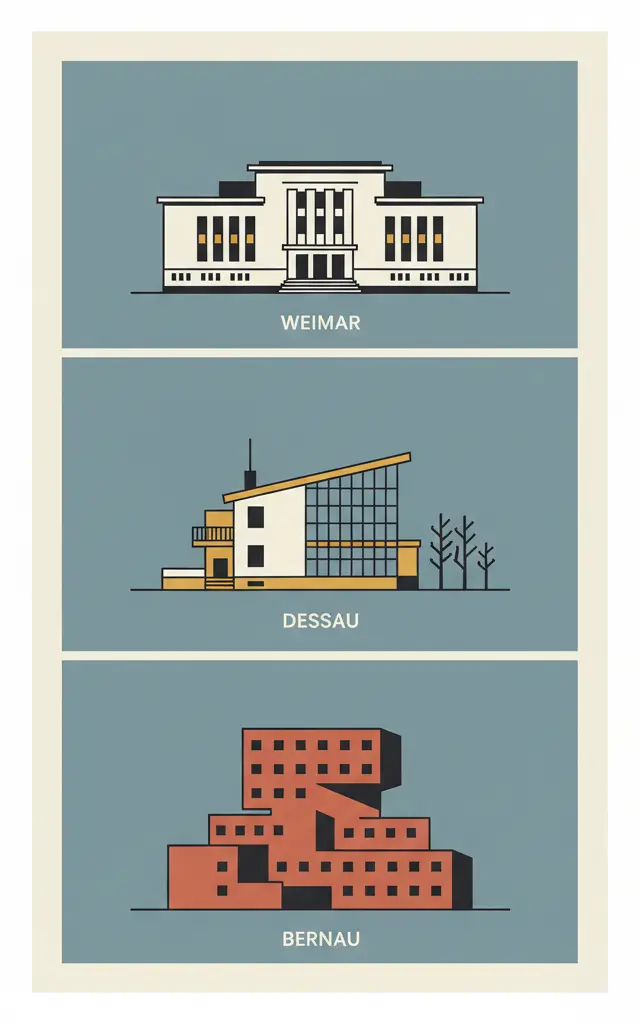
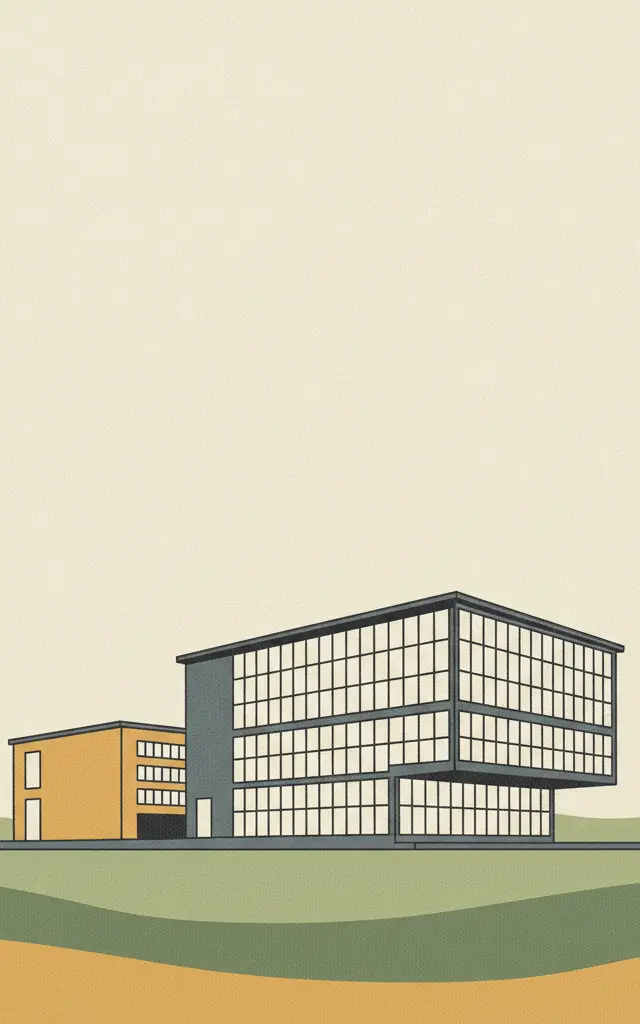
| Bauhaus and its Sites in Weimar, Dessau and BernauBetween 1919 and 1933 the Bauhaus movement revolutionized architectural and aesthetic thinking and practice in the 20th… | 1996 | Cultural | Between 1919 and 1933 the Bauhaus movement revolutionized architectural and aesthetic thinking and practice in the 20th century. |
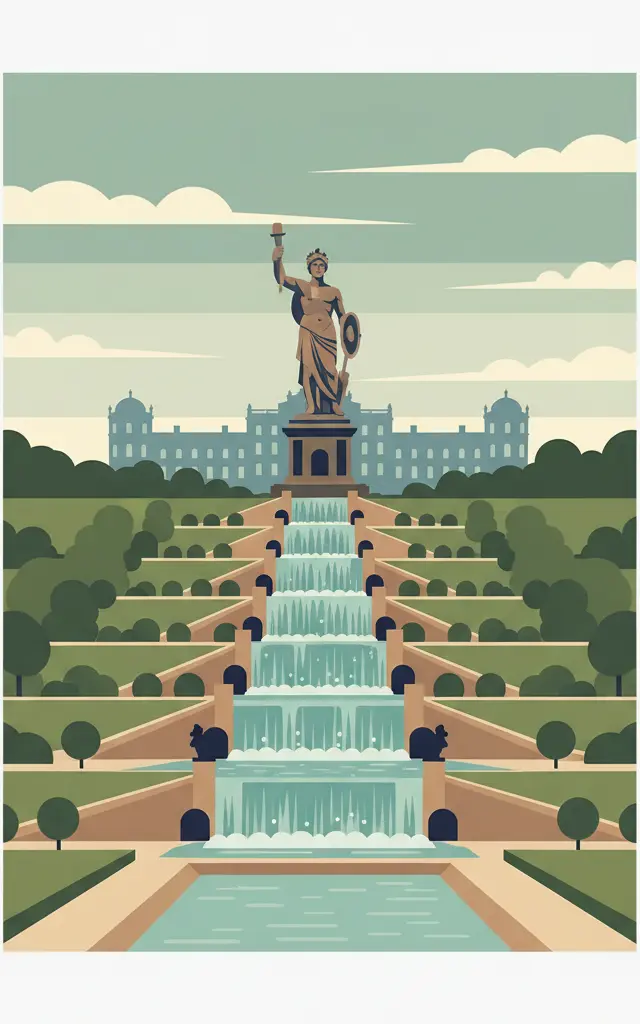
| Bergpark WilhelmshöheDescending a long hill dominated by a giant statue of Hercules, the monumental water displays of Wilhelmshöhe were… | 2013 | Cultural | Descending a long hill dominated by a giant statue of Hercules, the monumental water displays of Wilhelmshöhe were begun by Landgrave Carl of… |
| Berlin Modernism Housing EstatesBerlin Modernism Housing Estates. The property consists of six housing estates that testify to innovative housing… | 2008 | Cultural | Berlin Modernism Housing Estates. The property consists of six housing estates that testify to innovative housing policies from 1910 to 1933… |
| Carolingian Westwork and Civitas CorveyThe site is located along the Weser River on the outskirts of Höxter where the Carolingian Westwork and Civitas Corvey… | 2014 | Cultural | The site is located along the Weser River on the outskirts of Höxter where the Carolingian Westwork and Civitas Corvey were erected between AD 822… |
| Castles of Augustusburg and Falkenlust at BrühlSet in an idyllic garden landscape, Augustusburg Castle (the sumptuous residence of the prince-archbishops of Cologne)… | 1984 | Cultural | Set in an idyllic garden landscape, Augustusburg Castle (the sumptuous residence of the prince-archbishops of Cologne) and the Falkenlust hunting… |
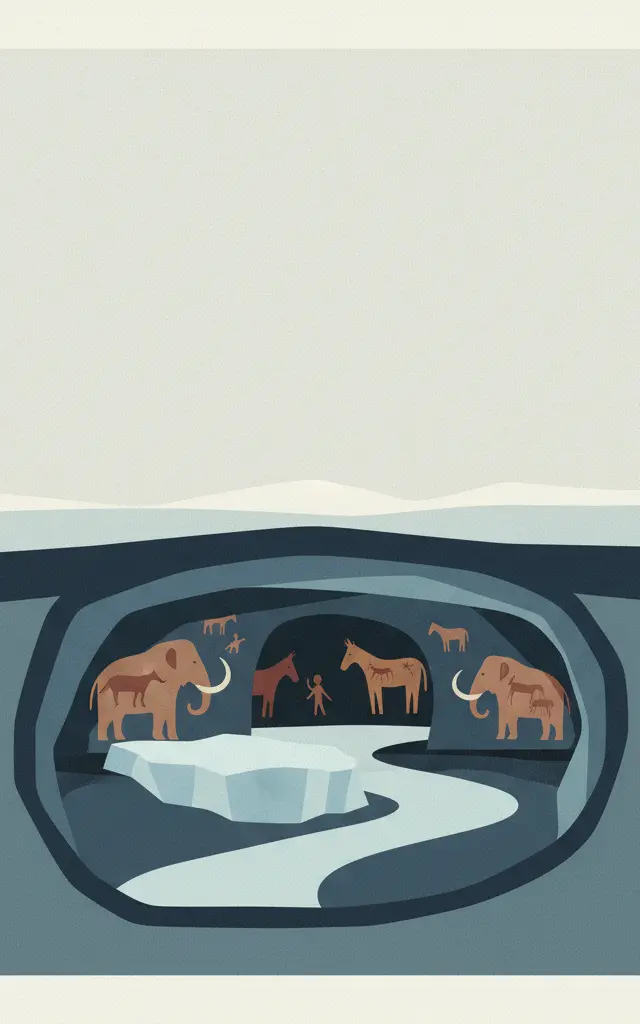
| Caves and Ice Age Art in the Swabian JuraModern humans first arrived in Europe 43,000 years ago during the last ice age. | 2017 | Cultural | Modern humans first arrived in Europe 43,000 years ago during the last ice age. |
| Classical WeimarIn the late 18th and early 19th centuries the small Thuringian town of Weimar witnessed a remarkable cultural… | 1998 | Cultural | In the late 18th and early 19th centuries the small Thuringian town of Weimar witnessed a remarkable cultural flowering, attracting many writers and… |
| Collegiate Church, Castle and Old Town of QuedlinburgQuedlinburg, in the Land of Sachsen-Anhalt, was a capital of the East Franconian German Empire at the time of the… | 1994 | Cultural | Quedlinburg, in the Land of Sachsen-Anhalt, was a capital of the East Franconian German Empire at the time of the Saxonian-Ottonian ruling dynasty. |
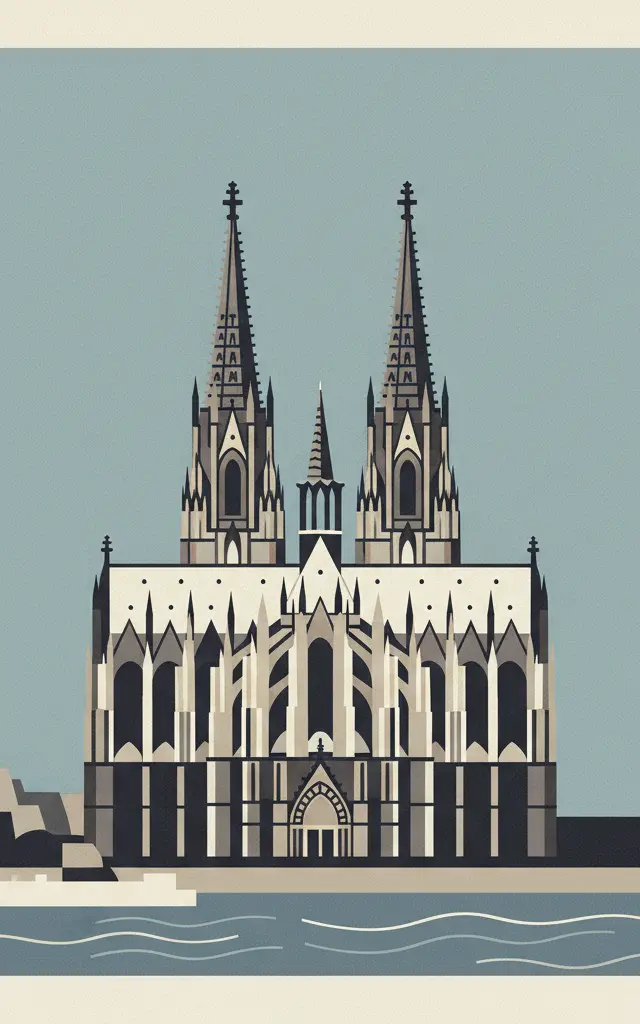
| Cologne CathedralBegun in 1248, the construction of this Gothic masterpiece took place in several stages and was not completed until… | 1996 | Cultural | Begun in 1248, the construction of this Gothic masterpiece took place in several stages and was not completed until 1880. |
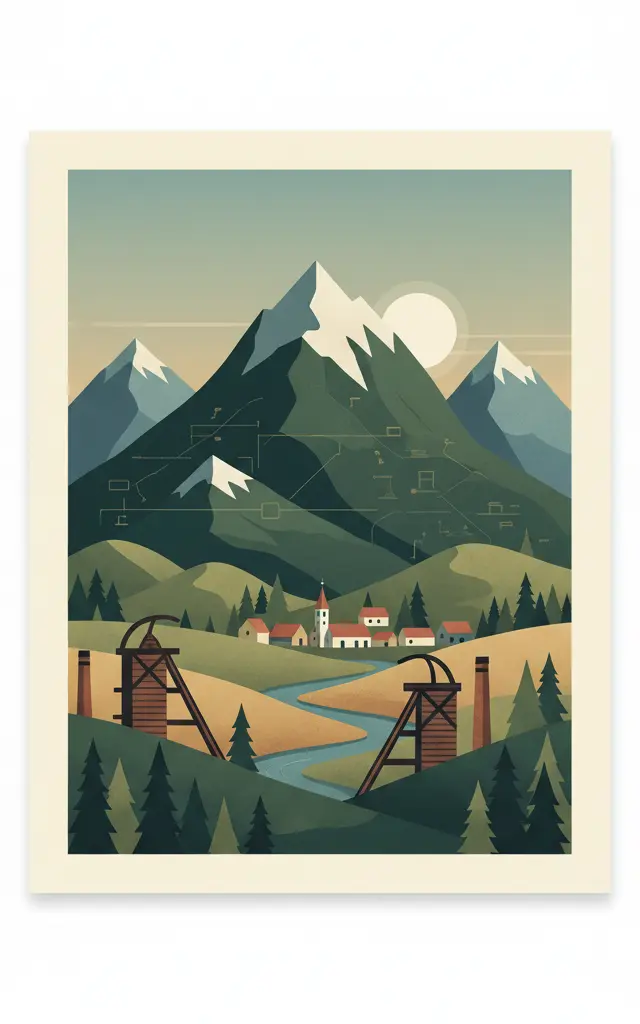
| Erzgebirge/Krušnohoří Mining RegionErzgebirge/Krušnohoří (Ore Mountains) spans a region in south-eastern Germany (Saxony) and north-western Czechia, which… | 2019 | Cultural | Erzgebirge/Krušnohoří (Ore Mountains) spans a region in south-eastern Germany (Saxony) and north-western Czechia, which contains a wealth of several… |
| Fagus Factory in AlfeldFagus Factory in Alfeld is a 10-building complex - began around 1910 to the design of Walter Gropius, which is a… | 2011 | Cultural | Fagus Factory in Alfeld is a 10-building complex - began around 1910 to the design of Walter Gropius, which is a landmark in the development of… |
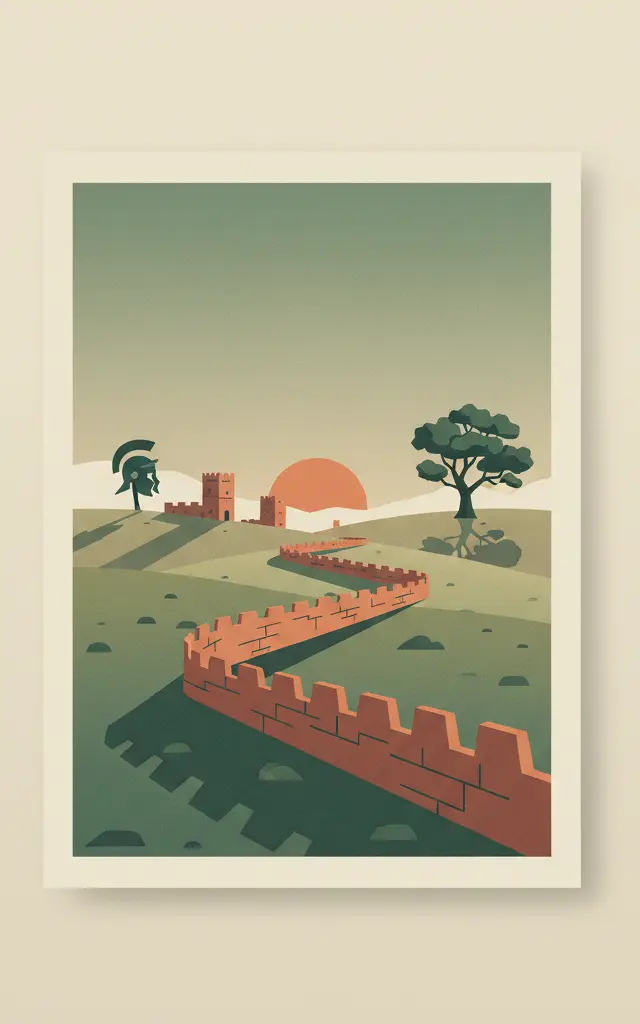
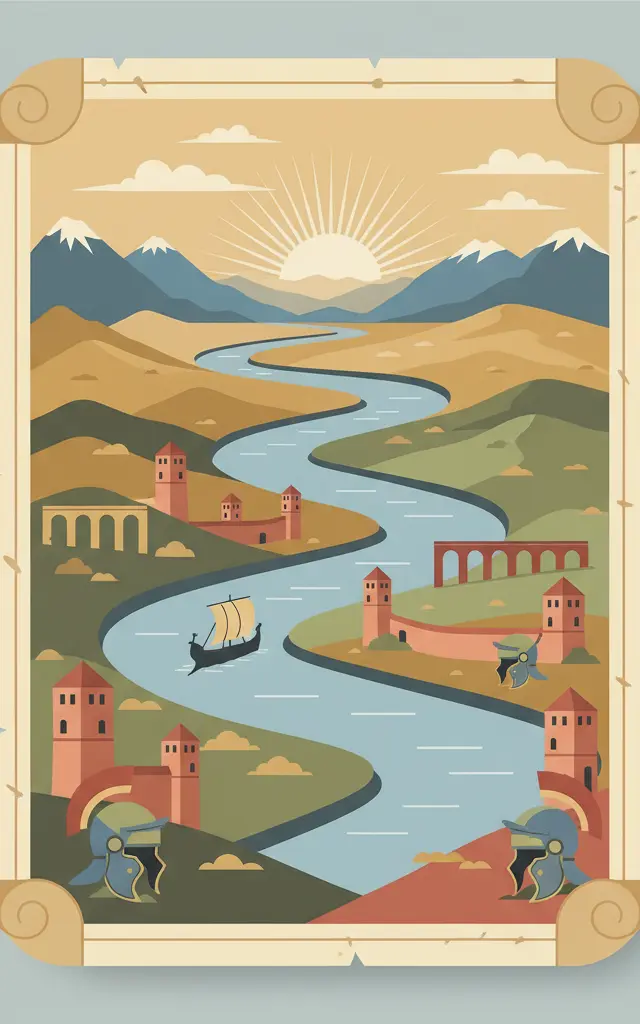
| Frontiers of the Roman EmpireThe ‘Roman Limes’ represents the border line of the Roman Empire at its greatest extent in the 2nd century AD. | 1987 | Cultural | The ‘Roman Limes’ represents the border line of the Roman Empire at its greatest extent in the 2nd century AD. |
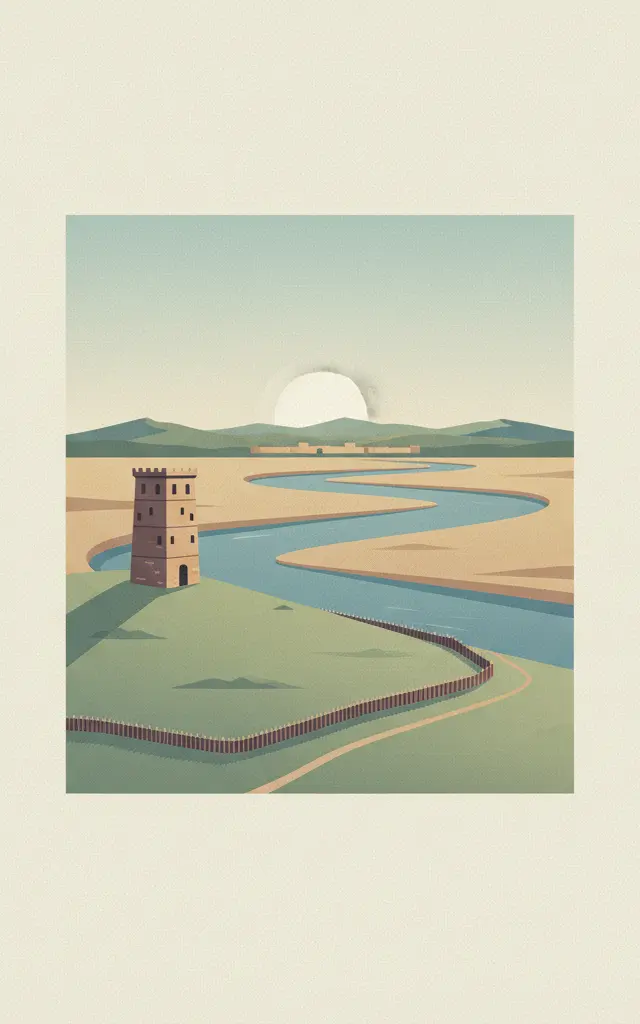
| Frontiers of the Roman Empire – The Lower German LimesFollowing the left bank of the Lower Rhine River for approximately 400 km from the Rhenish Massif in Germany t. | 2021 | Cultural | Following the left bank of the Lower Rhine River for approximately 400 km from the Rhenish Massif in Germany t. |
| Garden Kingdom of Dessau-WörlitzThe Garden Kingdom of Dessau-Wörlitz is an exceptional example of landscape design and planning of the Age of the… | 2000 | Cultural | The Garden Kingdom of Dessau-Wörlitz is an exceptional example of landscape design and planning of the Age of the Enlightenment, the 18th century. |
| Hanseatic City of LübeckLübeck – the former capital and Queen City of the Hanseatic League – was founded in the 12th century and prosp. | 1987 | Cultural | Lübeck – the former capital and Queen City of the Hanseatic League – was founded in the 12th century and prosp. |
| Historic Centres of Stralsund and WismarThe medieval towns of Wismar and Stralsund, on the Baltic coast of northern Germany, were major trading centres of the… | 2002 | Cultural | The medieval towns of Wismar and Stralsund, on the Baltic coast of northern Germany, were major trading centres of the Hanseatic League in the 14th… |
| Jewish-Medieval Heritage of ErfurtLocated in the medieval historic centre of Erfurt, the capital city of Thuringia, the property comprises three… | 2023 | Cultural | Located in the medieval historic centre of Erfurt, the capital city of Thuringia, the property comprises three monuments: the Old Synagogue, the… |
| Luther Memorials in Eisleben and WittenbergThese places in Saxony-Anhalt are all associated with the lives of Martin Luther and his fellow-reformer Melanchthon. | 1996 | Cultural | These places in Saxony-Anhalt are all associated with the lives of Martin Luther and his fellow-reformer Melanchthon. |
| Margravial Opera House BayreuthA masterpiece of Baroque theatre architecture, built between 1745 and 1750, the Opera House is the only entirely… | 2012 | Cultural | A masterpiece of Baroque theatre architecture, built between 1745 and 1750, the Opera House is the only entirely preserved example of its type where… |
| Mathildenhöhe DarmstadtThe Darmstadt Artists’ Colony on Mathildenhöhe, the highest elevation above the city of Darmstadt in west-central… | 2021 | Cultural | The Darmstadt Artists’ Colony on Mathildenhöhe, the highest elevation above the city of Darmstadt in west-central Germany, was established in 1897… |
| Maulbronn Monastery ComplexFounded in 1147, the Cistercian Maulbronn Monastery is considered the most complete and best-preserved medieva. | 1993 | Cultural | Founded in 1147, the Cistercian Maulbronn Monastery is considered the most complete and best-preserved medieva. |
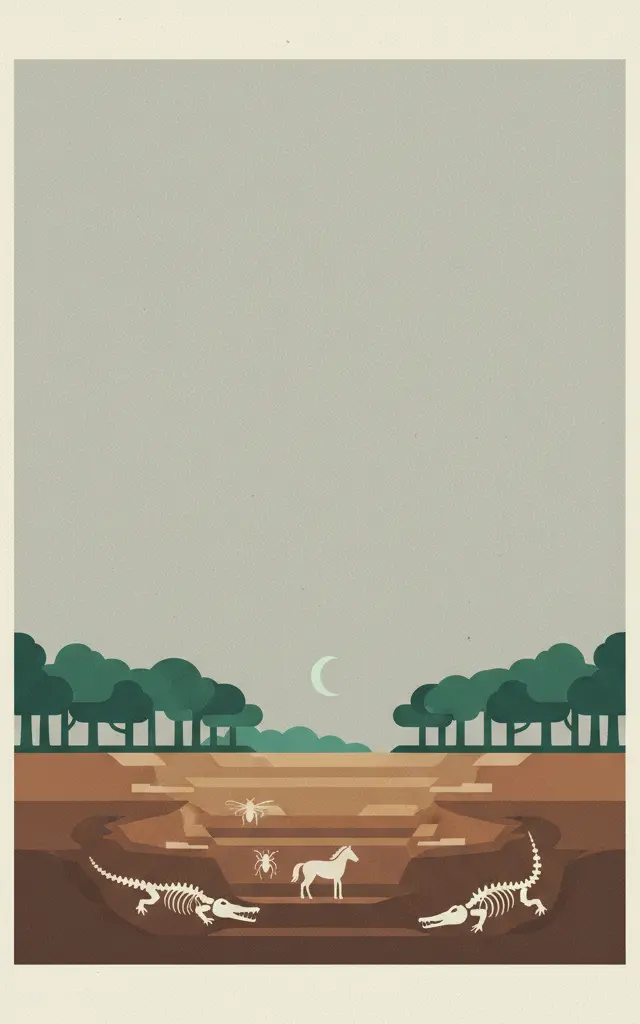
| Messel Pit Fossil SiteMessel Pit is the richest site in the world for understanding the living environment of the Eocene, between 57 million… | 1995 | Natural | Messel Pit is the richest site in the world for understanding the living environment of the Eocene, between 57 million and 36 million years ago. |
| Monastic Island of ReichenauThe island of Reichenau on Lake Constance preserves the traces of the Benedictine monastery, founded in 724, which… | 2000 | Cultural | The island of Reichenau on Lake Constance preserves the traces of the Benedictine monastery, founded in 724, which exercised remarkable spiritual… |
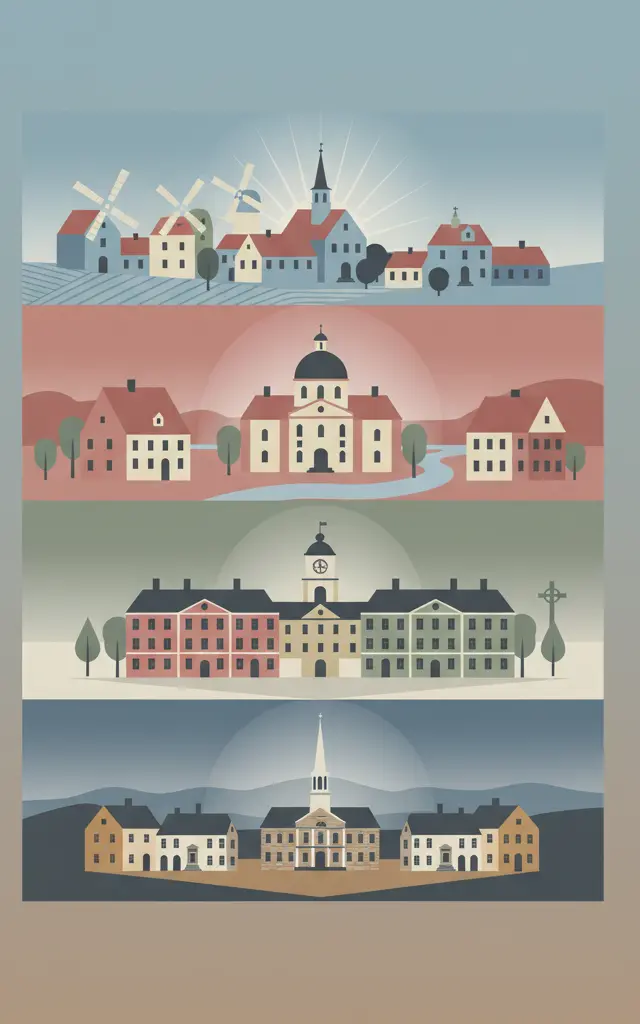
| Moravian Church SettlementsThis transnational serial property comprises four congregational settlements in four countries representing the… | 2015 | Cultural | This transnational serial property comprises four congregational settlements in four countries representing the transnational scope and consistency… |
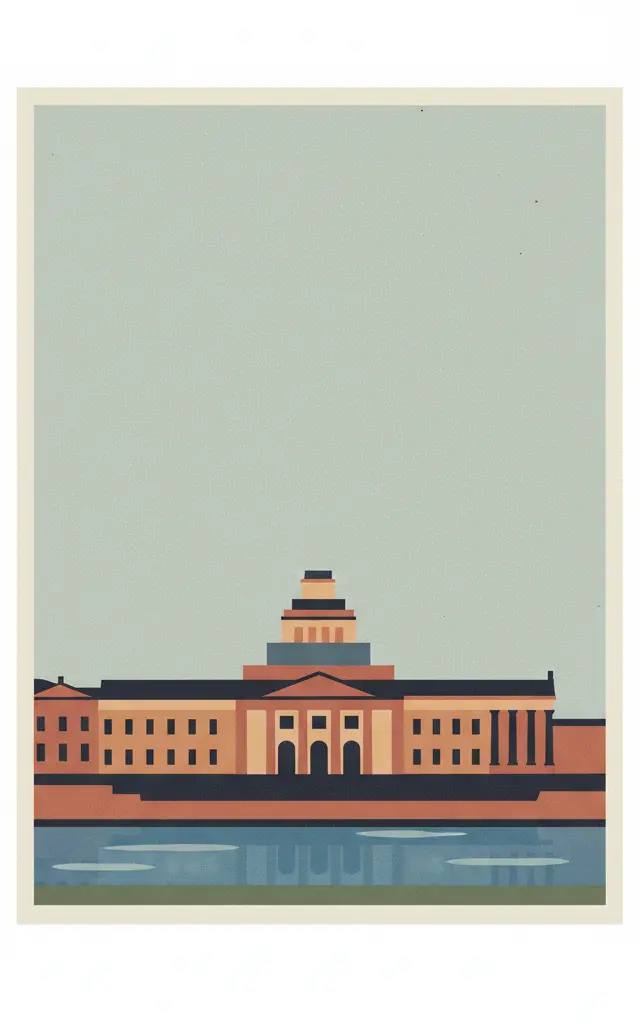
| Museumsinsel (Museum Island), BerlinThe museum as a social phenomenon owes its origins to the Age of Enlightenment in the 18th century. | 1999 | Cultural | The museum as a social phenomenon owes its origins to the Age of Enlightenment in the 18th century. |
| Muskauer Park / Park MużakowskiA landscaped park of 559.9 ha astride the Neisse River and the border between Poland and Germany, it was created by… | 2004 | Cultural | A landscaped park of 559.9 ha astride the Neisse River and the border between Poland and Germany, it was created by Prince Hermann von Puckler-Muskau… |
| Naumburg CathedralLocated in the eastern part of the Thuringian Basin, the Cathedral of Naumburg, whose construction began in 1028, is an… | 2018 | Cultural | Located in the eastern part of the Thuringian Basin, the Cathedral of Naumburg, whose construction began in 1028, is an outstanding testimony to… |
| Old town of Regensburg with StadtamhofLocated on the Danube River in Bavaria, this medieval town contains many buildings of exceptional quality that testify… | 2006 | Cultural | Located on the Danube River in Bavaria, this medieval town contains many buildings of exceptional quality that testify to its history as a trading… |
| Palaces and Parks of Potsdam and BerlinWith 500 ha of parks and 150 buildings constructed between 1730 and 1916, Potsdam's complex of palaces and parks forms… | 1990 | Cultural | With 500 ha of parks and 150 buildings constructed between 1730 and 1916, Potsdam's complex of palaces and parks forms an artistic whole, whose… |
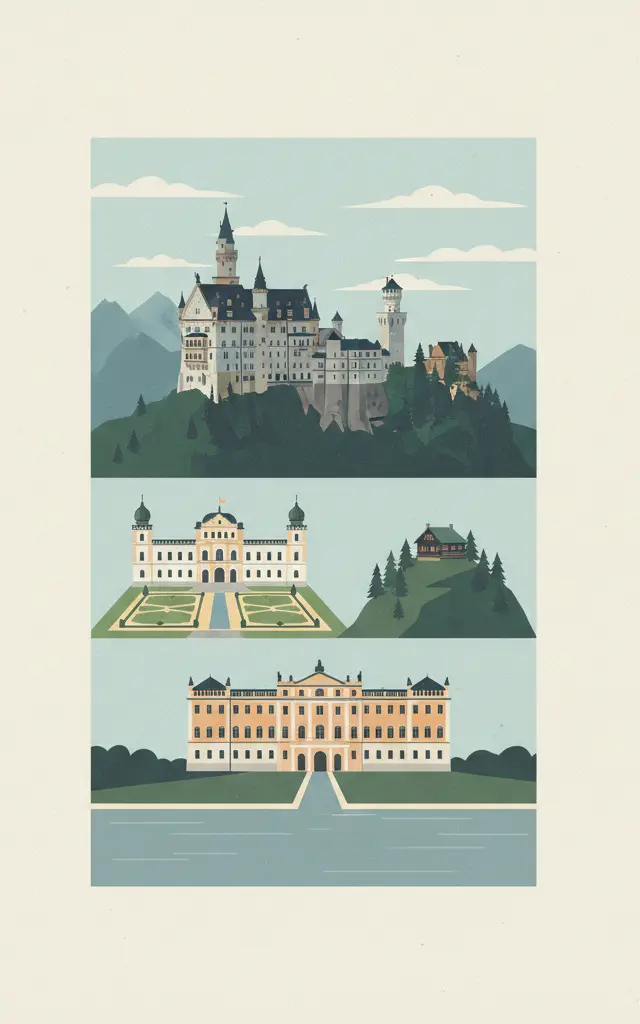
| Palaces of King Ludwig II (Neuschwanstein)This serial property consists of four grand palace complexes in Bavaria’s alpine region, built under King Ludwig II… | 2025 | Cultural | This serial property consists of four grand palace complexes in Bavaria’s alpine region, built under King Ludwig II between 1868 and 1886. |
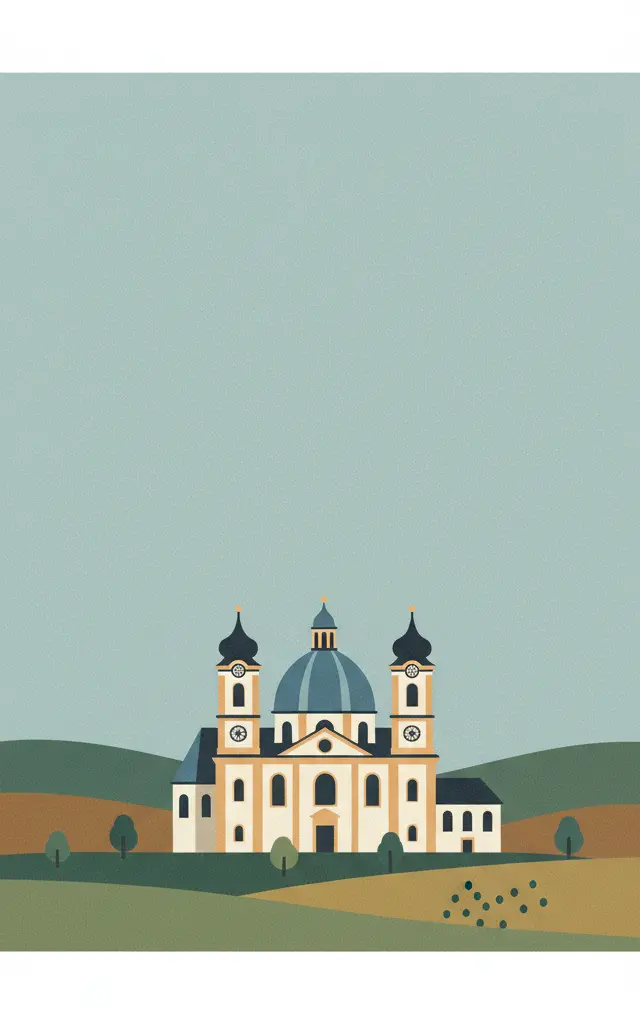
| Pilgrimage Church of WiesMiraculously preserved in the beautiful setting of an Alpine valley, the Church of Wies (1745–54), the work of… | 1983 | Cultural | Miraculously preserved in the beautiful setting of an Alpine valley, the Church of Wies (1745–54), the work of architect Dominikus Zimmermann… |
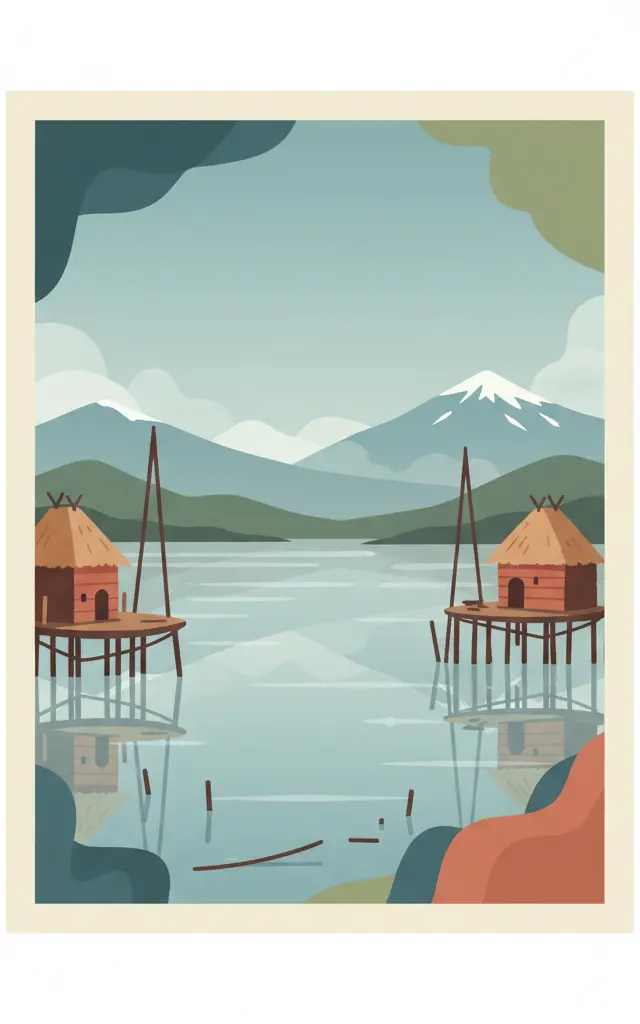
| Prehistoric Pile Dwellings around the AlpsThis serial property of 111 small individual sites encompasses the remains of prehistoric pile-dwelling (or stilt… | 2011 | Cultural | This serial property of 111 small individual sites encompasses the remains of prehistoric pile-dwelling (or stilt house) settlements in and around… |
| Rammelsberg Mines & GoslarThe Upper Harz mining water management system, which lies south of the Rammelsberg mines and the town of Goslar, has… | 1992 | Cultural | The Upper Harz mining water management system, which lies south of the Rammelsberg mines and the town of Goslar, has been developed over a period of… |
| Roman Danube Limes (Western Segment)It covers almost 600km of the whole Roman Empire’s Danube frontier. | 2021 | Cultural | It covers almost 600km of the whole Roman Empire’s Danube frontier. |
| Roman Monuments & Cathedral of TrierTrier, which stands on the Moselle River, was a Roman colony from the 1st century AD and then a great trading. | 1986 | Cultural | Trier, which stands on the Moselle River, was a Roman colony from the 1st century AD and then a great trading. |
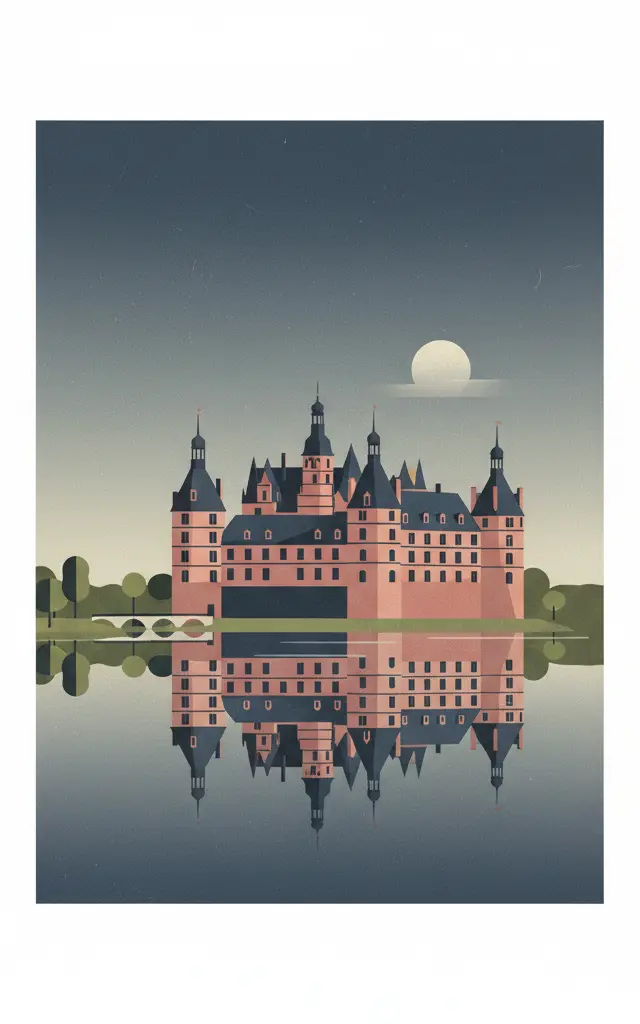
| Schwerin Residence EnsembleEstablished on the shores of Lake Schwerin in northeast Germany, the Schwerin Residence Ensemble is an architectural… | 2024 | Cultural | Established on the shores of Lake Schwerin in northeast Germany, the Schwerin Residence Ensemble is an architectural and landscape ensemble, which… |
| ShUM Sites of Speyer, Worms and MainzLocated in the former Imperial cathedral cities of Speyer, Worms and Mainz, in the Upper Rhine Valley, the serial site… | 2021 | Cultural | Located in the former Imperial cathedral cities of Speyer, Worms and Mainz, in the Upper Rhine Valley, the serial site of Speyer, Worms and Mainz… |
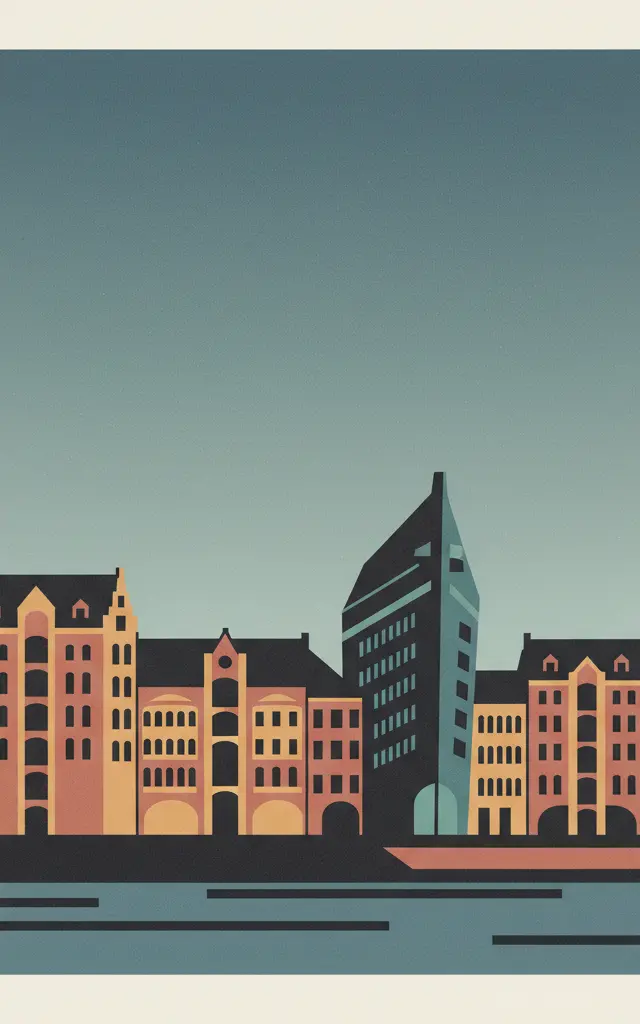
| Speicherstadt and Kontorhaus District with ChilehausSpeicherstadt and the adjacent Kontorhaus district are two densely built urban areas in the centre of the port city of… | 2015 | Cultural | Speicherstadt and the adjacent Kontorhaus district are two densely built urban areas in the centre of the port city of Hamburg. |
| Speyer CathedralSpeyer Cathedral, a basilica with four towers and two domes, was founded by Conrad II in 1030 and remodelled at the end… | 1981 | Cultural | Speyer Cathedral, a basilica with four towers and two domes, was founded by Conrad II in 1030 and remodelled at the end of the 11th century. |
| St Mary's Cathedral and St Michael's Church at HildesheimSt Michael's Church was built between 1010 and 1020 on a symmetrical plan with two apses that was characteristic of… | 1985 | Cultural | St Michael's Church was built between 1010 and 1020 on a symmetrical plan with two apses that was characteristic of Ottonian Romanesque art in Old… |
| The Architectural Work of Le CorbusierChosen from the work of Le Corbusier, the 17 sites comprising this transnational serial property are spread over seven… | 2016 | Cultural | Chosen from the work of Le Corbusier, the 17 sites comprising this transnational serial property are spread over seven countries and are a… |
| The Great Spa Towns of EuropeThis transnational serial property comprises eleven spa towns, located in seven European countries: Baden bei Wien… | 2021 | Cultural | This transnational serial property comprises eleven spa towns, located in seven European countries: Baden bei Wien (Austria); Spa (Belgium)… |
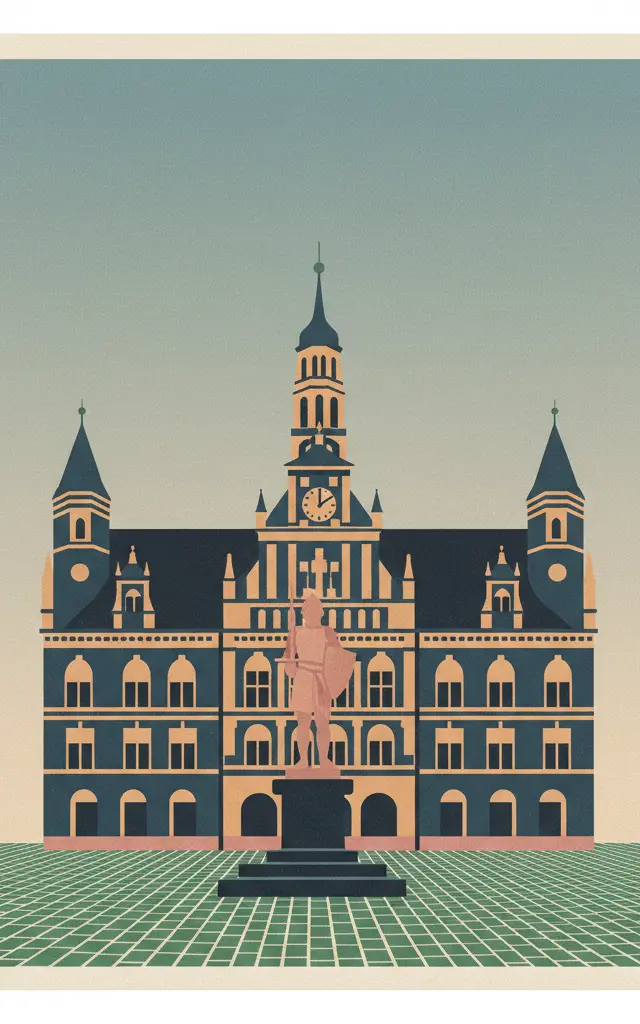
| Town Hall and Roland on the Marketplace of BremenThe Town Hall and the statue of Roland on the marketplace of Bremen in north-west Germany are outstanding… | 2004 | Cultural | The Town Hall and the statue of Roland on the marketplace of Bremen in north-west Germany are outstanding representations of civic autonomy and… |
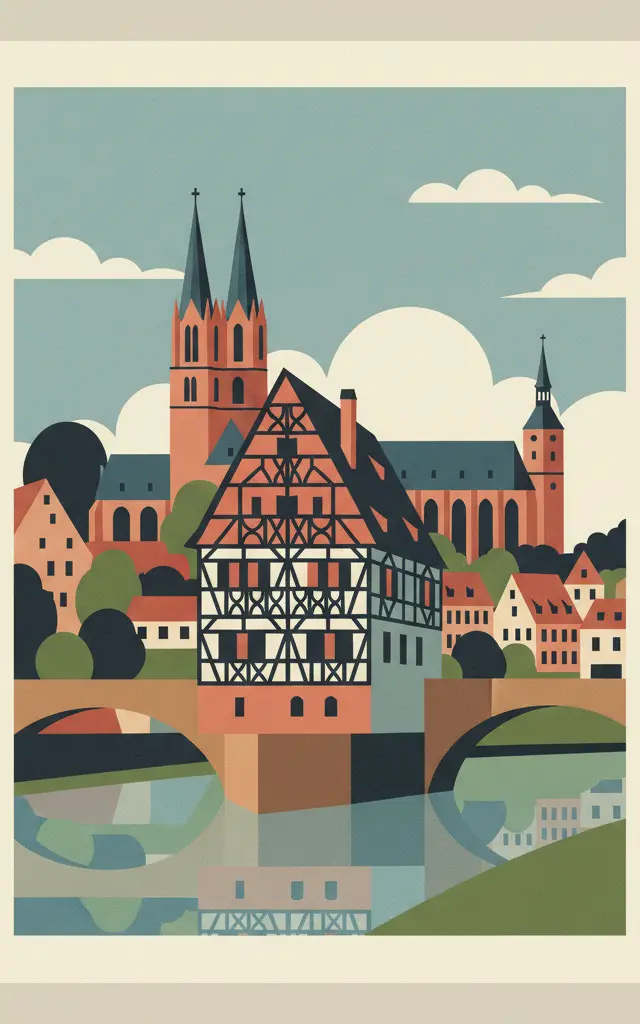
| Town of BambergFrom the 10th century onwards, this town became an important link with the Slav peoples, especially those of Poland and… | 1993 | Cultural | From the 10th century onwards, this town became an important link with the Slav peoples, especially those of Poland and Pomerania. |
| Upper Middle Rhine ValleyThe 65km-stretch of the Middle Rhine Valley, with its castles, historic towns and vineyards, graphically illustrates… | 2002 | Cultural | The 65km-stretch of the Middle Rhine Valley, with its castles, historic towns and vineyards, graphically illustrates the long history of human… |
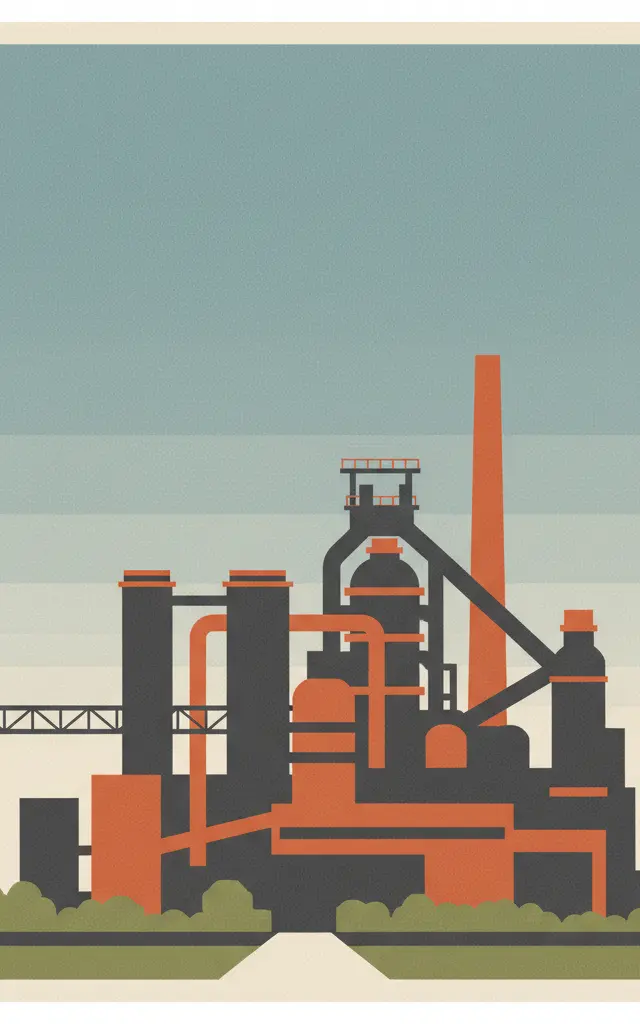
| Völklingen IronworksThe ironworks, which cover some 6 ha, dominate the city of Völklingen. | 1994 | Cultural | The ironworks, which cover some 6 ha, dominate the city of Völklingen. |
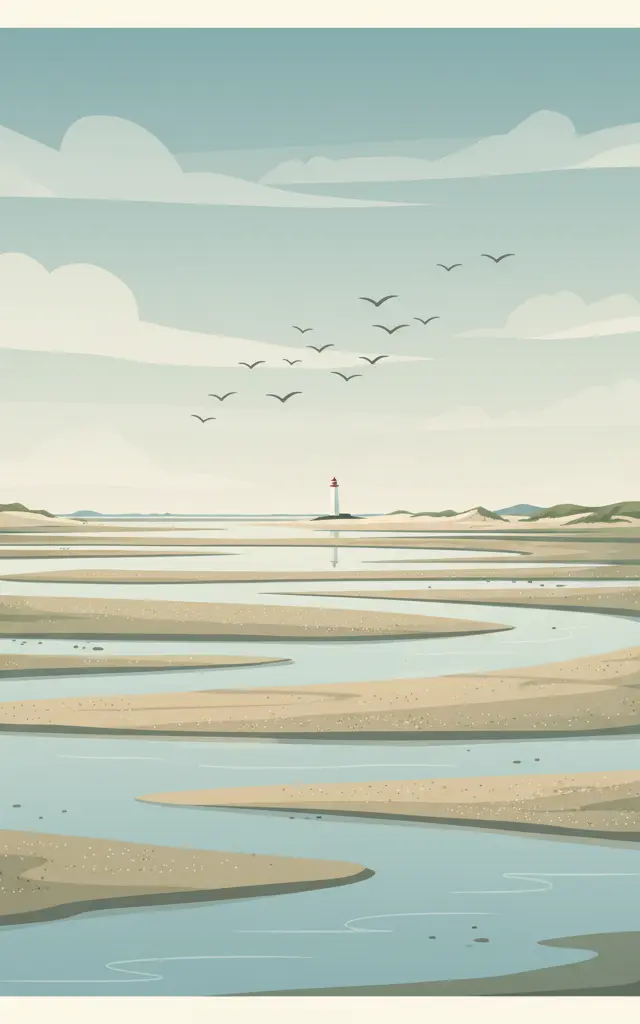
| Wadden SeaThe Wadden Sea is the largest unbroken system of intertidal sand and mud flats in the world. | 2009 | Natural | The Wadden Sea is the largest unbroken system of intertidal sand and mud flats in the world. |
| Wartburg CastleWartburg Castle blends superbly into its forest surroundings and is in many ways 'the ideal castle'. | 1999 | Cultural | Wartburg Castle blends superbly into its forest surroundings and is in many ways 'the ideal castle'. |
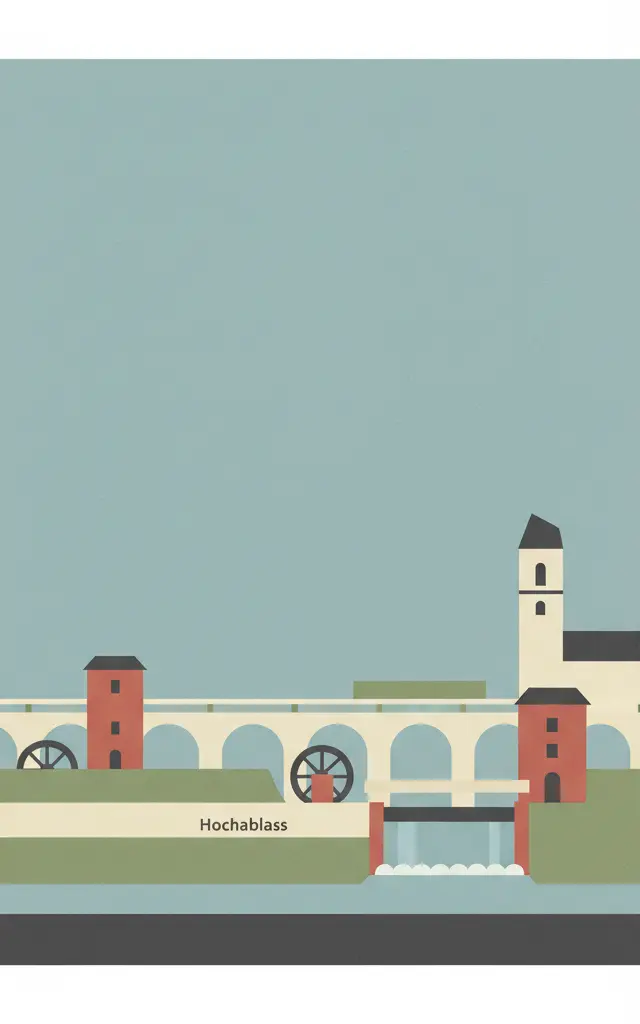
| Water Management System of AugsburgThe water management system of the city of Augsburg has evolved in successive phases from the 14th century to the… | 2019 | Cultural | The water management system of the city of Augsburg has evolved in successive phases from the 14th century to the present day. |
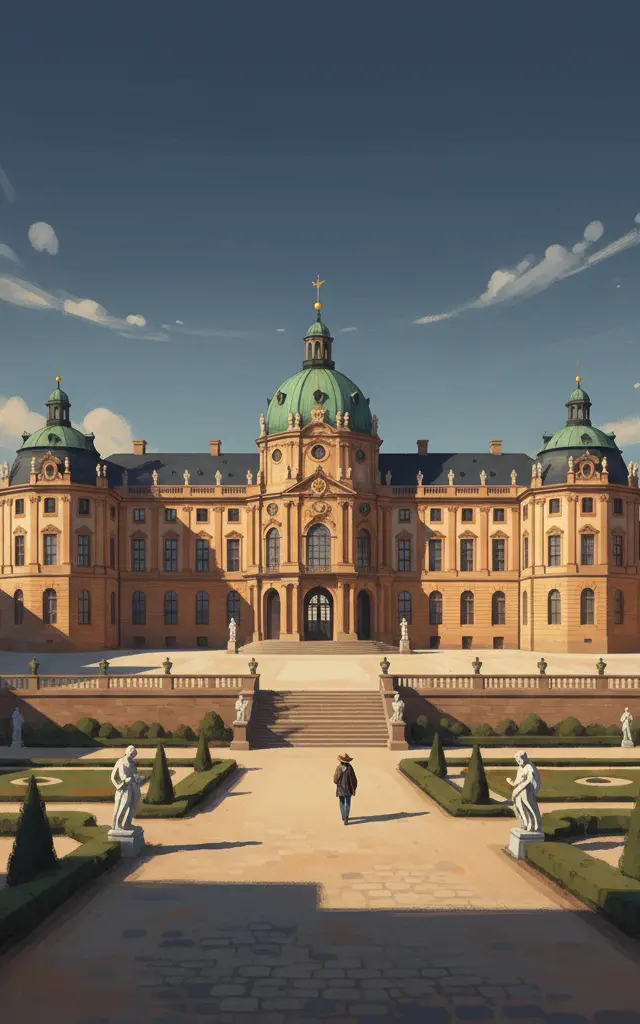
| Würzburg ResidenceThis magnificent Baroque palace – one of the largest and most beautiful in Germany and surrounded by wonderful gardens… | 1981 | Cultural | This magnificent Baroque palace – one of the largest and most beautiful in Germany and surrounded by wonderful gardens – was created under t. |
| Zollverein Coal Mine Industrial Complex in EssenThe Zollverein industrial complex in Land Nordrhein-Westfalen consists of the complete infrastructure of a historical… | 2001 | Cultural | The Zollverein industrial complex in Land Nordrhein-Westfalen consists of the complete infrastructure of a historical coal-mining site, with some… |