Europe
UNESCO World Heritage Sites in Spain
Spanish World Heritage Sites · UNESCO sites in Spain map · historical landmarks in Spain
Spain has 51 sites on the UNESCO World Heritage List — 45 cultural, 4 natural and 2 mixed inscriptions, inscribed between 1984 and 2023. This map of UNESCO sites in Spain covers every listing, with a short description, the inscription year and the nearest airports — the fastest way to see the country's most important historical sites and landmarks in one place.
Spanish World Heritage Sites range from Alhambra onwards; Alhambra was the country's first inscription, added in 1984; Talayotic Menorca is the most recent, listed in 2023; recurring threads across the list include ancient civilizations and sacred places.
4 inscriptions are transnational, shared with neighbouring countries: Ancient and Primeval Beech Forests of the Carpathians and Other Regions of Europe, Heritage of Mercury. Almadén and Idrija and Prehistoric Rock Art Sites in the Côa Valley and Siega Verde. Start with Alhambra, Alhambra, Generalife and Albayzín, Granada and Ancient and Primeval Beech Forests of the Carpathians and Other Regions of Europe, then use the map above to plan a route between the rest.
- Sites
- 51
- Cultural
- 45
- Natural
- 4
- Mixed
- 2
- First inscribed
- 1984
Sites on the map
Inscriptions Spain shares with other countries are not plotted here — you will find them in the list below.
Flying in
Airports closest to the most sites in this country.
- MADMadrid7 sites
- GRXGranada3 sites
- BJZBadajoz3 sites
- VITAlava3 sites
- ODBCórdoba3 sites
- SCQSantiago de Compostela3 sites
Prints from Spain
All prints →Keep exploring
All 51 sites in Spain
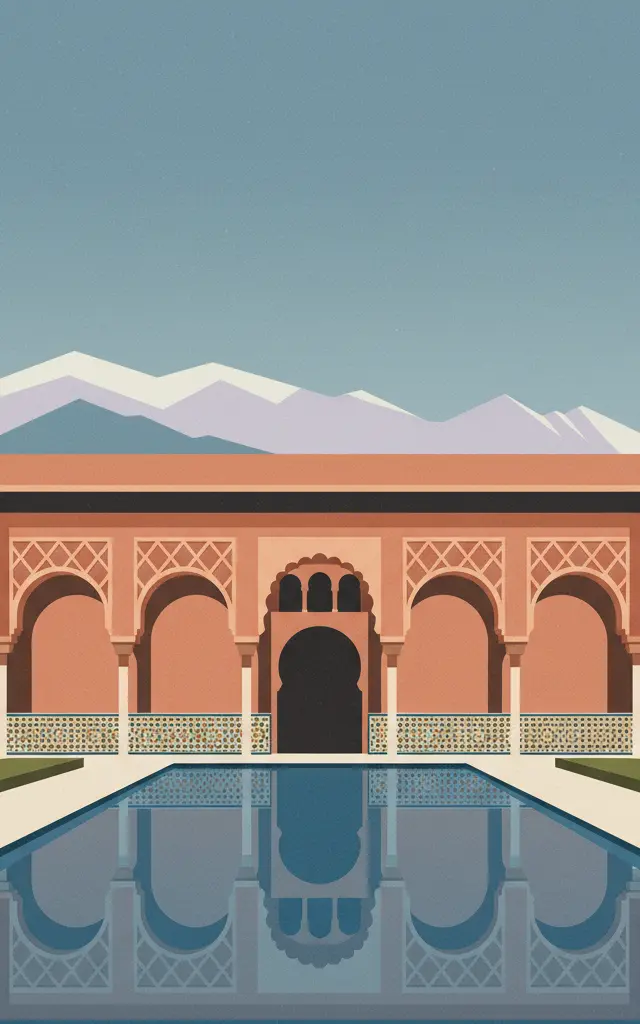
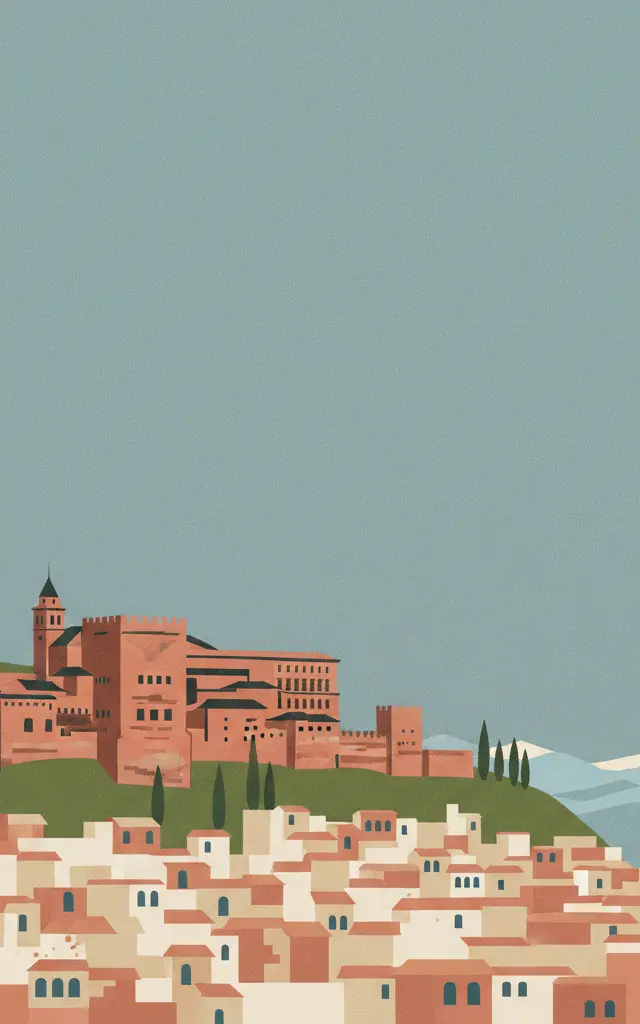
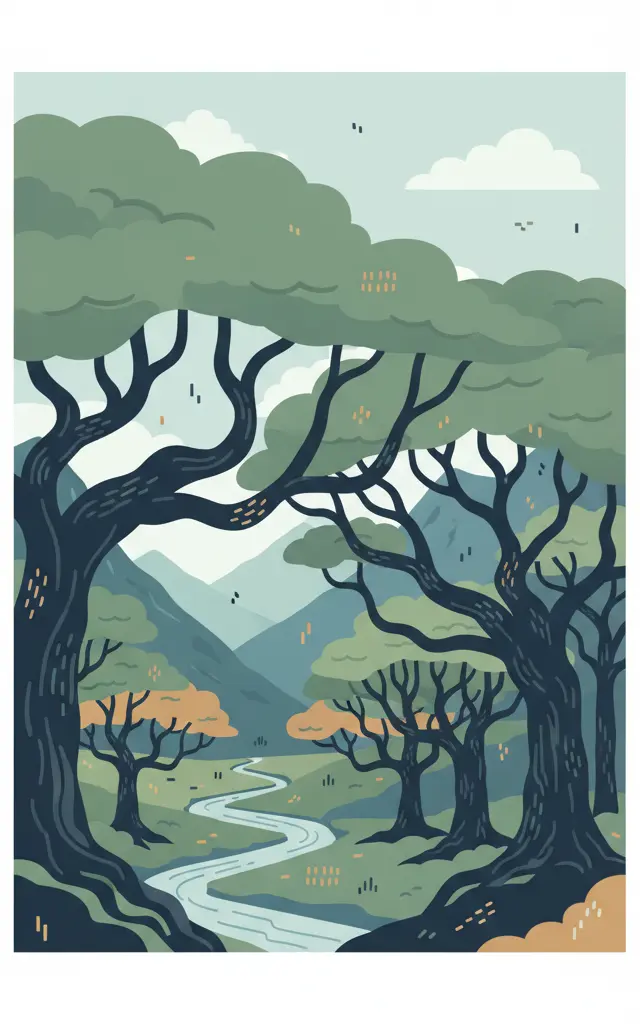

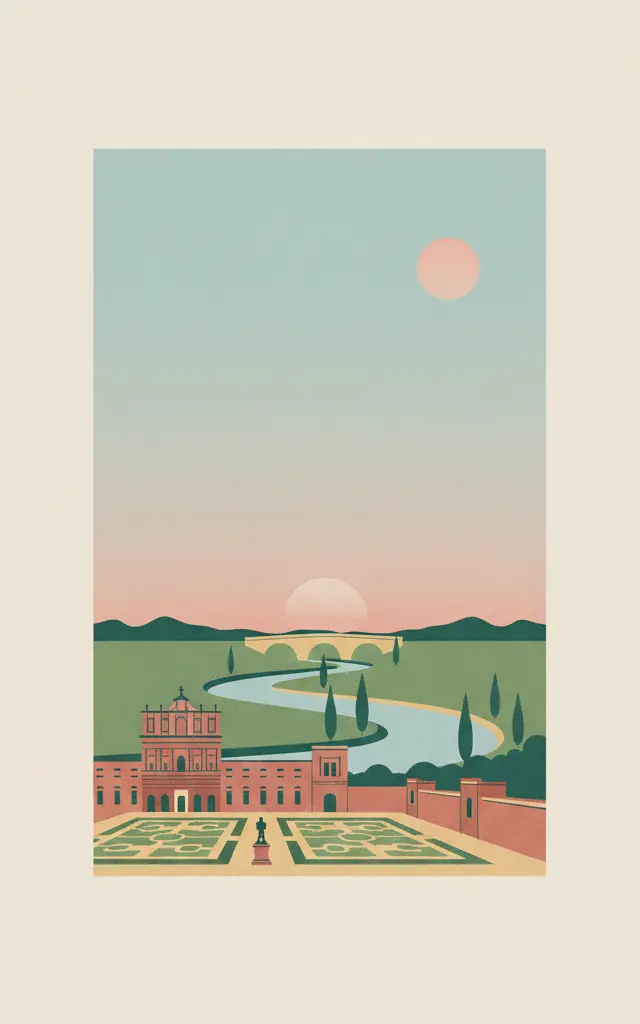









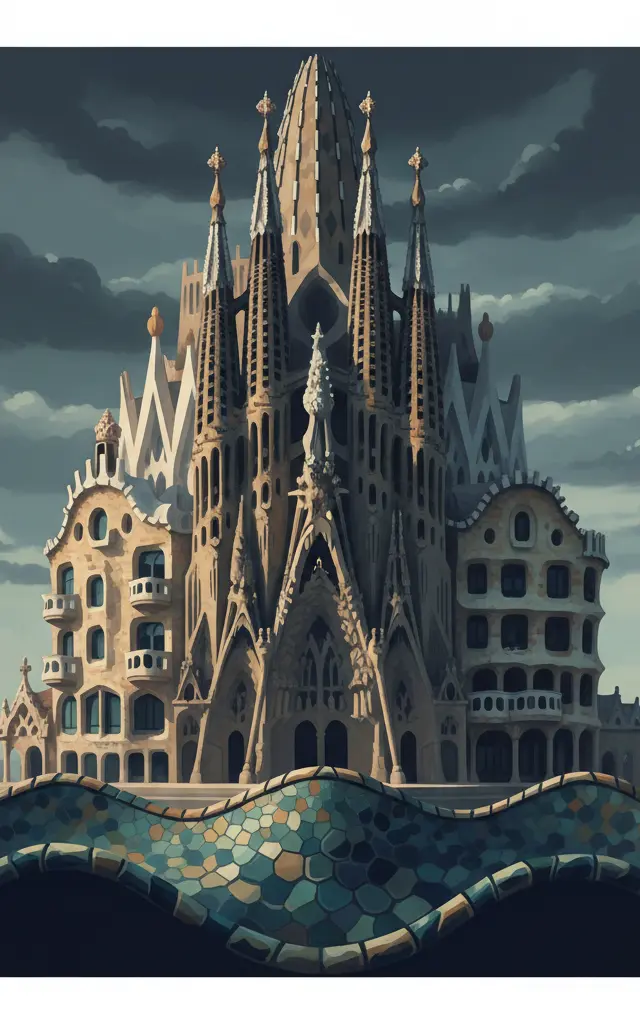
List of UNESCO World Heritage Sites in Spain
Every inscription with its year and category. Open a site for its story, map location and nearest airports.
| Site | Year | Type | What it is |
|---|---|---|---|
| AlhambraMoorish palace above Granada. | 1984 | Cultural | Moorish palace above Granada. |
| Alhambra, Generalife and Albayzín, GranadaAlhambra, Generalife and Albayzín, Granada — UNESCO World Heritage Site. | 1984 | Cultural | Alhambra, Generalife and Albayzín, Granada — UNESCO World Heritage Site. |
| Ancient and Primeval Beech Forests of the Carpathians and Other Regions of EuropeThis transnational property includes 93 component parts in 18 countries. | 2007 | Natural | This transnational property includes 93 component parts in 18 countries. |
| Antequera Dolmens SiteAntequera Dolmens Site — UNESCO World Heritage Site. | 2016 | Cultural | Antequera Dolmens Site — UNESCO World Heritage Site. |
| Aranjuez Cultural LandscapeAranjuez Cultural Landscape — UNESCO World Heritage Site. | 2001 | Cultural | Aranjuez Cultural Landscape — UNESCO World Heritage Site. |
| Archaeological Ensemble of MéridaArchaeological Ensemble of Mérida — UNESCO World Heritage Site. | 1993 | Cultural | Archaeological Ensemble of Mérida — UNESCO World Heritage Site. |
| Archaeological Ensemble of TarracoArchaeological Ensemble of Tarraco — UNESCO World Heritage Site. | 2000 | Cultural | Archaeological Ensemble of Tarraco — UNESCO World Heritage Site. |
| Archaeological Site of AtapuercaArchaeological Site of Atapuerca — UNESCO World Heritage Site. | 2000 | Cultural | Archaeological Site of Atapuerca — UNESCO World Heritage Site. |
| Burgos CathedralBurgos Cathedral — UNESCO World Heritage Site. | 1984 | Cultural | Burgos Cathedral — UNESCO World Heritage Site. |
| Caliphate City of Medina AzaharaCaliphate City of Medina Azahara — UNESCO World Heritage Site. | 2018 | Cultural | Caliphate City of Medina Azahara — UNESCO World Heritage Site. |
| Catalan Romanesque Churches of the Vall de BoíCatalan Romanesque Churches of the Vall de Boí — UNESCO World Heritage Site. | 2000 | Cultural | Catalan Romanesque Churches of the Vall de Boí — UNESCO World Heritage Site. |
| Cathedral, Alcázar and Archivo de Indias in SevilleTogether these three buildings form a remarkable monumental complex in the heart of Seville. | 1987 | Cultural | Together these three buildings form a remarkable monumental complex in the heart of Seville. |
| Cave of Altamira and Paleolithic Cave Art of Northern SpainSeventeen decorated caves of the Paleolithic age were inscribed as an extension to the Altamira Cave, inscribe. | 1985 | Cultural | Seventeen decorated caves of the Paleolithic age were inscribed as an extension to the Altamira Cave, inscribe. |
| Cultural Landscape of the Serra de TramuntanaCultural Landscape of the Serra de Tramuntana — UNESCO World Heritage Site. | 2011 | Cultural | Cultural Landscape of the Serra de Tramuntana — UNESCO World Heritage Site. |
| Doñana National ParkDoñana National Park — UNESCO World Heritage Site. | 1994 | Natural | Doñana National Park — UNESCO World Heritage Site. |
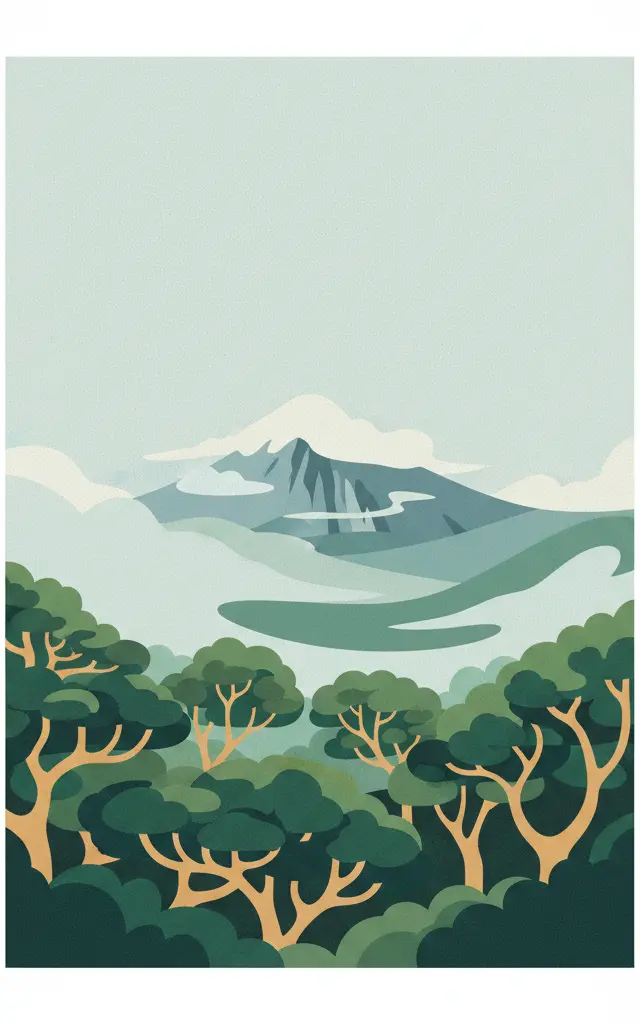
| Garajonay National ParkGarajonay National Park — UNESCO World Heritage Site. | 1986 | Natural | Garajonay National Park — UNESCO World Heritage Site. |
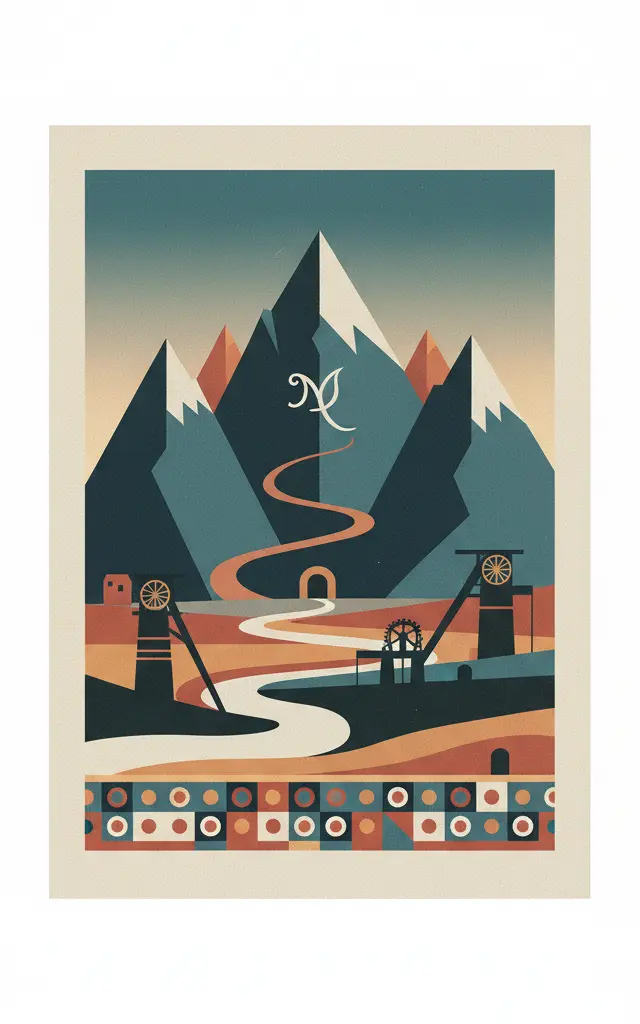
| Heritage of Mercury. Almadén and IdrijaHeritage of Mercury. Almadén and Idrija — UNESCO World Heritage Site. | 2012 | Cultural | Heritage of Mercury. Almadén and Idrija — UNESCO World Heritage Site. |
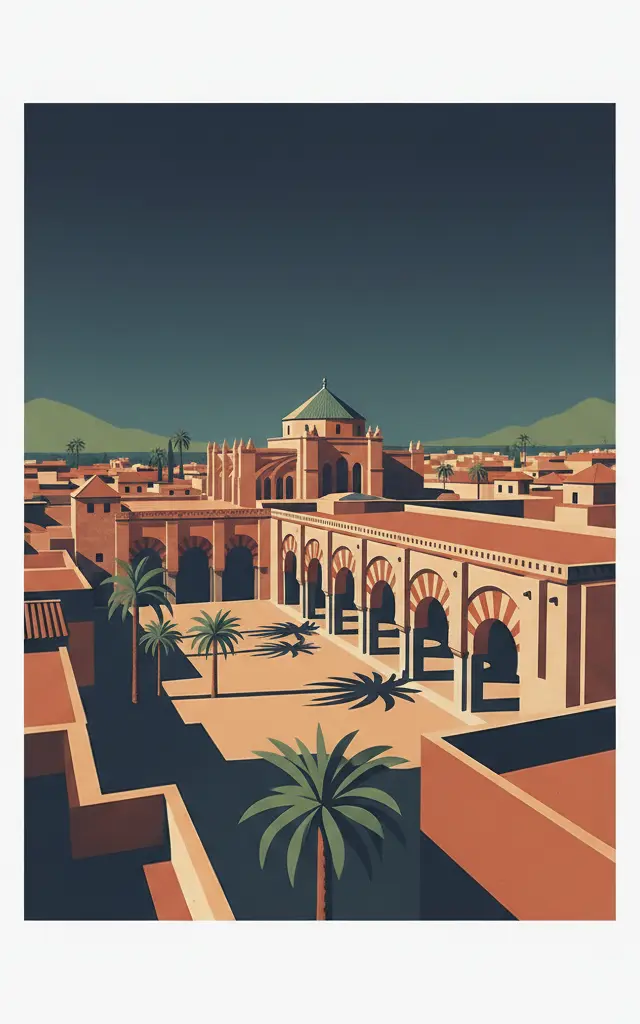
| Historic Centre of CordobaCordoba's period of greatest glory began in the 8th century after the Moorish conquest, when some 300 mosques and innume. | 1984 | Cultural | Cordoba's period of greatest glory began in the 8th century after the Moorish conquest, when some 300 mosques and innume. |
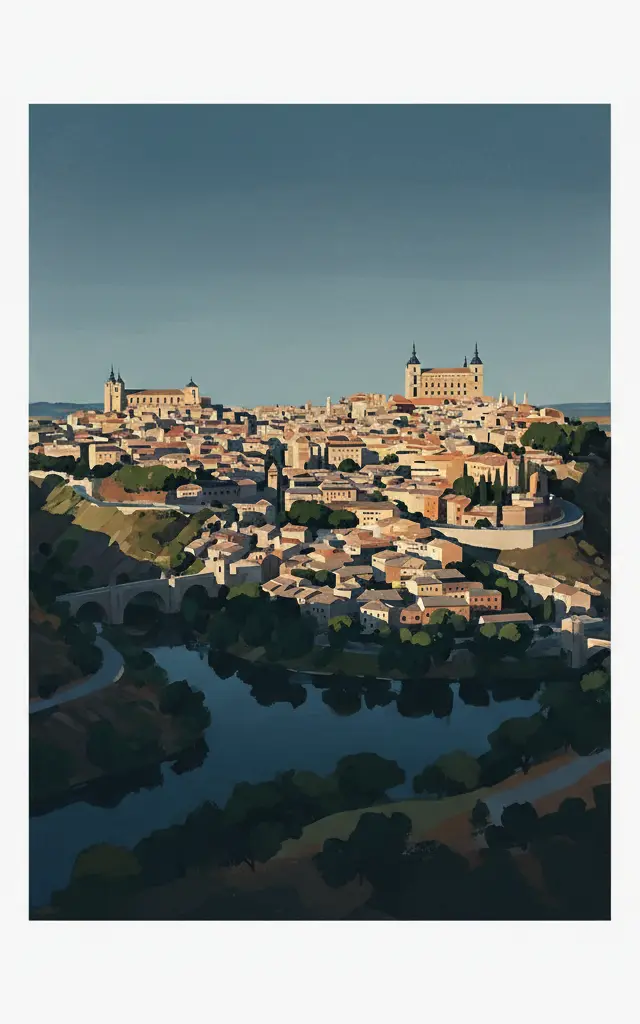
| Historic City of ToledoSuccessively a Roman municipium, the capital of the Visigothic Kingdom, a fortress of the Emirate of Cordoba, an outpost. | 1986 | Cultural | Successively a Roman municipium, the capital of the Visigothic Kingdom, a fortress of the Emirate of Cordoba, an outpost. |
| Historic Walled Town of CuencaHistoric Walled Town of Cuenca — UNESCO World Heritage Site. | 1996 | Cultural | Historic Walled Town of Cuenca — UNESCO World Heritage Site. |
| Ibiza, Biodiversity and CultureIbiza provides an excellent example of the interaction between the marine and coastal ecosystems. | 1999 | Mixed | Ibiza provides an excellent example of the interaction between the marine and coastal ecosystems. |
| La Lonja de la Seda de ValenciaLa Lonja de la Seda de Valencia — UNESCO World Heritage Site. | 1996 | Cultural | La Lonja de la Seda de Valencia — UNESCO World Heritage Site. |
| Las MédulasLas Médulas — UNESCO World Heritage Site. | 1997 | Cultural | Las Médulas — UNESCO World Heritage Site. |
| Monastery and Site of the Escurial, MadridMonastery and Site of the Escurial, Madrid — UNESCO World Heritage Site. | 1984 | Cultural | Monastery and Site of the Escurial, Madrid — UNESCO World Heritage Site. |
| Monuments of Oviedo and the Kingdom of the AsturiasMonuments of Oviedo and the Kingdom of the Asturias — UNESCO World Heritage Site. | 1985 | Cultural | Monuments of Oviedo and the Kingdom of the Asturias — UNESCO World Heritage Site. |
| Mudejar Architecture of AragonMudejar Architecture of Aragon — UNESCO World Heritage Site. | 1986 | Cultural | Mudejar Architecture of Aragon — UNESCO World Heritage Site. |
| Old City of SalamancaOld City of Salamanca — UNESCO World Heritage Site. | 1988 | Cultural | Old City of Salamanca — UNESCO World Heritage Site. |
| Old Town of Ávila with its Extra-Muros ChurchesOld Town of Ávila with its Extra-Muros Churches — UNESCO World Heritage Site. | 1985 | Cultural | Old Town of Ávila with its Extra-Muros Churches — UNESCO World Heritage Site. |
| Old Town of CáceresOld Town of Cáceres — UNESCO World Heritage Site. | 1986 | Cultural | Old Town of Cáceres — UNESCO World Heritage Site. |
| Old Town of Segovia and its AqueductOld Town of Segovia and its Aqueduct — UNESCO World Heritage Site. | 1985 | Cultural | Old Town of Segovia and its Aqueduct — UNESCO World Heritage Site. |
| Palau de la Música Catalana and Hospital de Sant Pau, BarcelonaThese are two of the finest contributions to Barcelona's architecture by the Catalan art nouveau architect Llu. | 1997 | Cultural | These are two of the finest contributions to Barcelona's architecture by the Catalan art nouveau architect Llu. |
| Palmeral of ElchePalmeral of Elche — UNESCO World Heritage Site. | 2000 | Cultural | Palmeral of Elche — UNESCO World Heritage Site. |
| Paseo del Prado and Buen Retiro, a landscape of Arts and SciencesPaseo del Prado and Buen Retiro, a landscape of Arts and Sciences — UNESCO World Heritage Site. | 2021 | Cultural | Paseo del Prado and Buen Retiro, a landscape of Arts and Sciences — UNESCO World Heritage Site. |
| Poblet MonasteryPoblet Monastery — UNESCO World Heritage Site. | 1991 | Cultural | Poblet Monastery — UNESCO World Heritage Site. |
| Prehistoric Rock Art Sites in the Côa Valley and Siega VerdePrehistoric Rock Art Sites in the Côa Valley and Siega Verde — UNESCO World Heritage Site. | 1998 | Cultural | Prehistoric Rock Art Sites in the Côa Valley and Siega Verde — UNESCO World Heritage Site. |
| Pyrénées - Mont PerduThis outstanding mountain landscape, which spans the contemporary national borders of France and Spain, is centred… | 1997 | Mixed | This outstanding mountain landscape, which spans the contemporary national borders of France and Spain, is centred around the peak of Mount Perdu, a… |
| Renaissance Monumental Ensembles of Úbeda and BaezaRenaissance Monumental Ensembles of Úbeda and Baeza — UNESCO World Heritage Site. | 2003 | Cultural | Renaissance Monumental Ensembles of Úbeda and Baeza — UNESCO World Heritage Site. |
| Risco Caido and the Sacred Mountains of Gran Canaria Cultural LandscapeRisco Caido and the Sacred Mountains of Gran Canaria Cultural Landscape — UNESCO World Heritage Site. | 2019 | Cultural | Risco Caido and the Sacred Mountains of Gran Canaria Cultural Landscape — UNESCO World Heritage Site. |
| Rock Art of the Mediterranean Basin on the Iberian PeninsulaRock Art of the Mediterranean Basin on the Iberian Peninsula — UNESCO World Heritage Site. | 1998 | Cultural | Rock Art of the Mediterranean Basin on the Iberian Peninsula — UNESCO World Heritage Site. |
| Roman Walls of LugoRoman Walls of Lugo — UNESCO World Heritage Site. | 2000 | Cultural | Roman Walls of Lugo — UNESCO World Heritage Site. |
| Routes of Santiago de Compostela: Camino Francés and Routes of Northern SpainRoutes of Santiago de Compostela: <i>Camino Francés</i> and Routes of Northern Spain — UNESCO World Heritage Site. | 1993 | Cultural | Routes of Santiago de Compostela: <i>Camino Francés</i> and Routes of Northern Spain — UNESCO World Heritage Site. |
| Royal Monastery of Santa María de GuadalupeRoyal Monastery of Santa María de Guadalupe — UNESCO World Heritage Site. | 1993 | Cultural | Royal Monastery of Santa María de Guadalupe — UNESCO World Heritage Site. |
| San Cristóbal de La LagunaSan Cristóbal de La Laguna — UNESCO World Heritage Site. | 1999 | Cultural | San Cristóbal de La Laguna — UNESCO World Heritage Site. |
| San Millán Yuso and Suso MonasteriesSan Millán Yuso and Suso Monasteries — UNESCO World Heritage Site. | 1997 | Cultural | San Millán Yuso and Suso Monasteries — UNESCO World Heritage Site. |
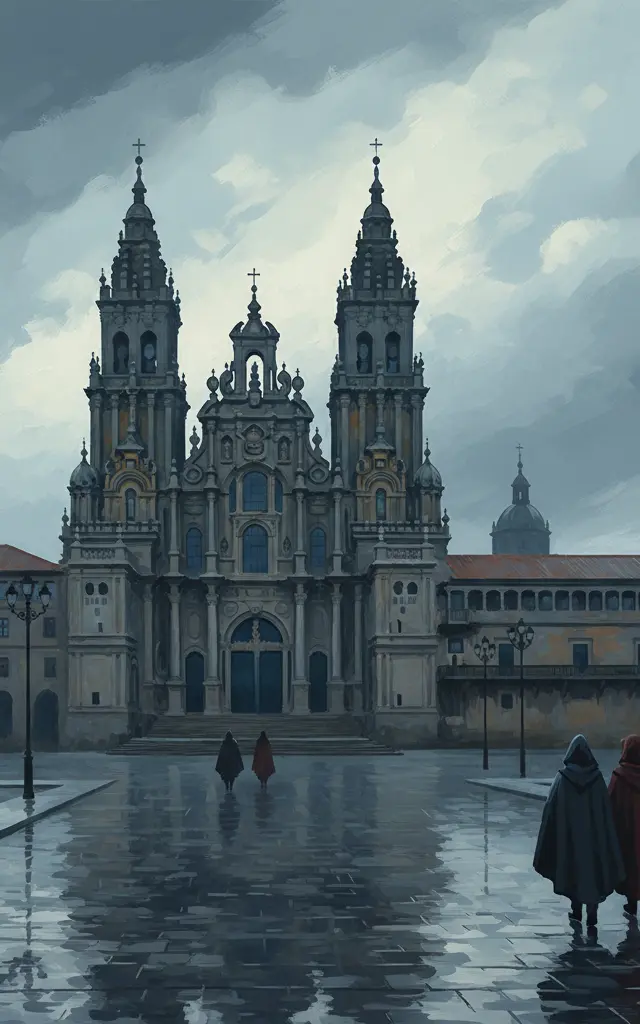
| Santiago de Compostela (Old Town)This famous pilgrimage site in north-west Spain became a symbol in the Spanish Christians' struggle against Islam. | 1985 | Cultural | This famous pilgrimage site in north-west Spain became a symbol in the Spanish Christians' struggle against Islam. |
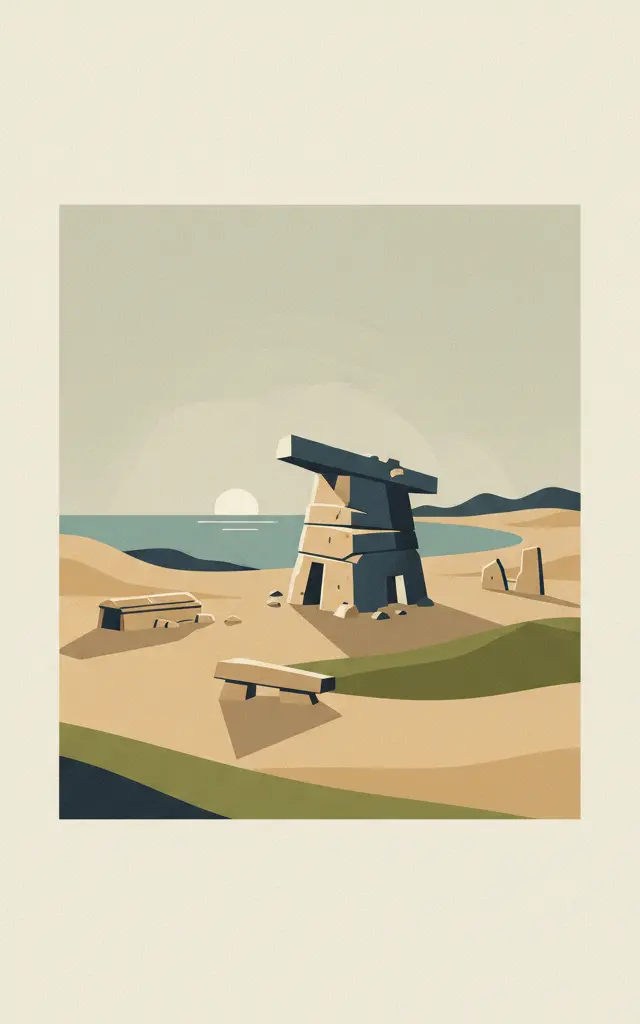
| Talayotic MenorcaTalayotic Menorca — UNESCO World Heritage Site. | 2023 | Cultural | Talayotic Menorca — UNESCO World Heritage Site. |
| Teide National ParkTeide National Park — UNESCO World Heritage Site. | 2007 | Natural | Teide National Park — UNESCO World Heritage Site. |
| Tower of HerculesTower of Hercules — UNESCO World Heritage Site. | 2009 | Cultural | Tower of Hercules — UNESCO World Heritage Site. |
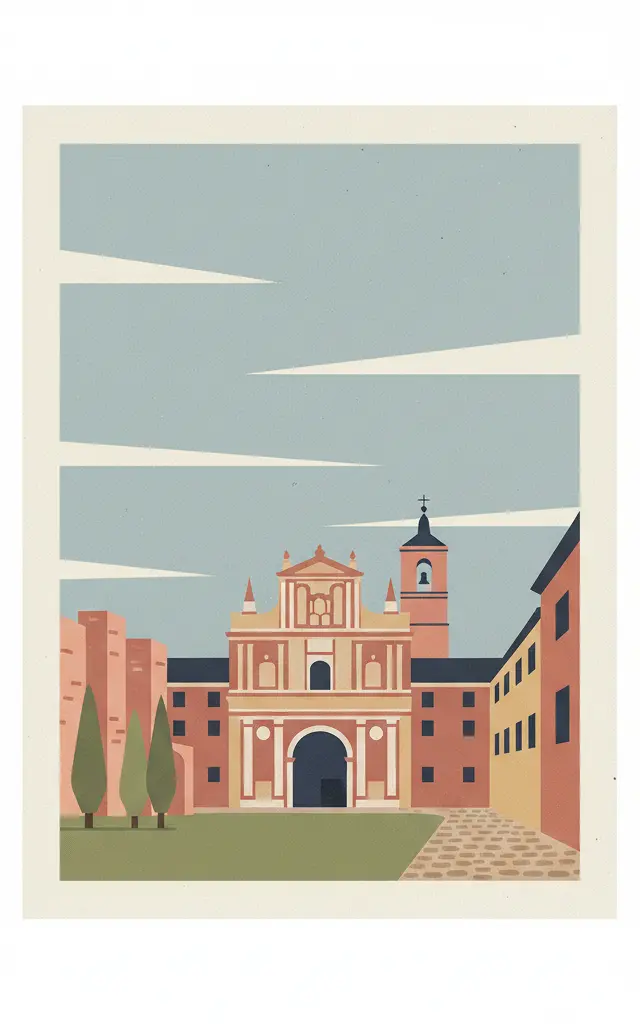
| University and Historic Precinct of Alcalá de HenaresUniversity and Historic Precinct of Alcalá de Henares — UNESCO World Heritage Site. | 1998 | Cultural | University and Historic Precinct of Alcalá de Henares — UNESCO World Heritage Site. |
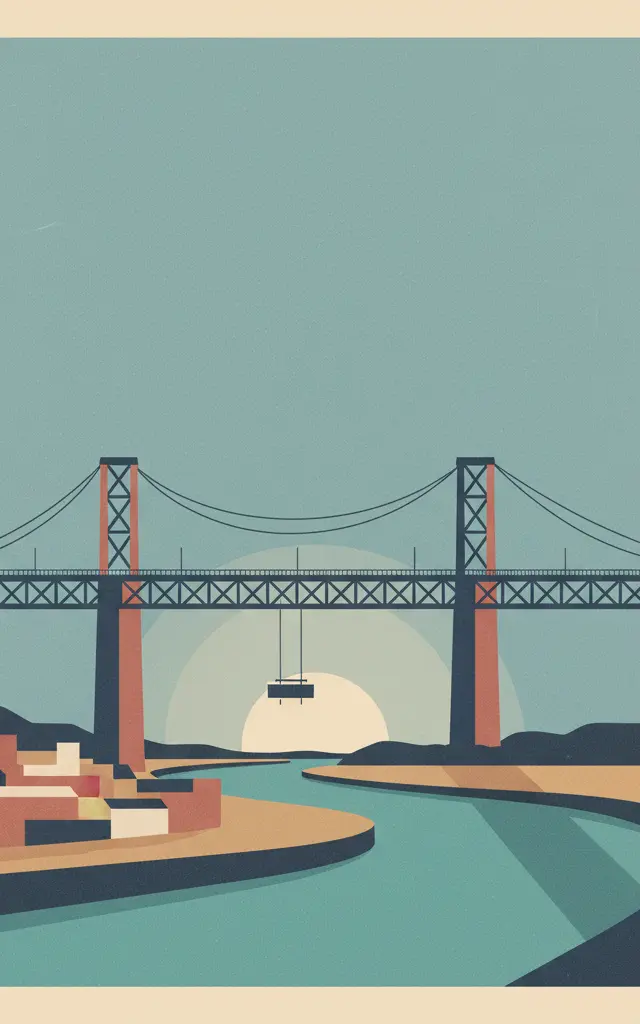
| Vizcaya BridgeVizcaya Bridge — UNESCO World Heritage Site. | 2006 | Cultural | Vizcaya Bridge — UNESCO World Heritage Site. |
| Works of Antoni GaudíSeven properties built by the architect Antoni Gaudí (1852–1926) in or near Barcelona testify to Gaudí’s exceptional cre. | 1984 | Cultural | Seven properties built by the architect Antoni Gaudí (1852–1926) in or near Barcelona testify to Gaudí’s exceptional cre. |
Frequently asked questions about World Heritage in Spain
- How many UNESCO World Heritage Sites are there in Spain?
- Spain has 51 UNESCO World Heritage Sites: 45 cultural, 4 natural and 2 mixed.
- What was the first World Heritage Site in Spain?
- Alhambra was inscribed in 1984. Moorish palace above Granada.
- What is the newest World Heritage Site in Spain?
- Talayotic Menorca, inscribed in 2023. Talayotic Menorca — UNESCO World Heritage Site.
- Which sites in Spain are natural World Heritage Sites?
- 4 of the 51 listings are natural: Ancient and Primeval Beech Forests of the Carpathians and Other Regions of Europe, Doñana National Park, Garajonay National Park and Teide National Park.
- Which UNESCO sites in Spain are easiest to reach?
- Each site page lists the closest airports with distance, so you can pick the gateway city first and work outwards. The "Flying in" panel on this page shows the main gateways for Spain.
- What are the main historical sites and landmarks in Spain?
- The 51 UNESCO-listed sites above are Spain's internationally recognised historical sites and landmarks, starting with Alhambra (1984). Each entry links to a full page with a map, photos and travel notes.
- Is there a map of Spanish World Heritage Sites?
- Yes — the map on this page plots all 51 Spanish UNESCO World Heritage Sites; click any marker to open that site's page.