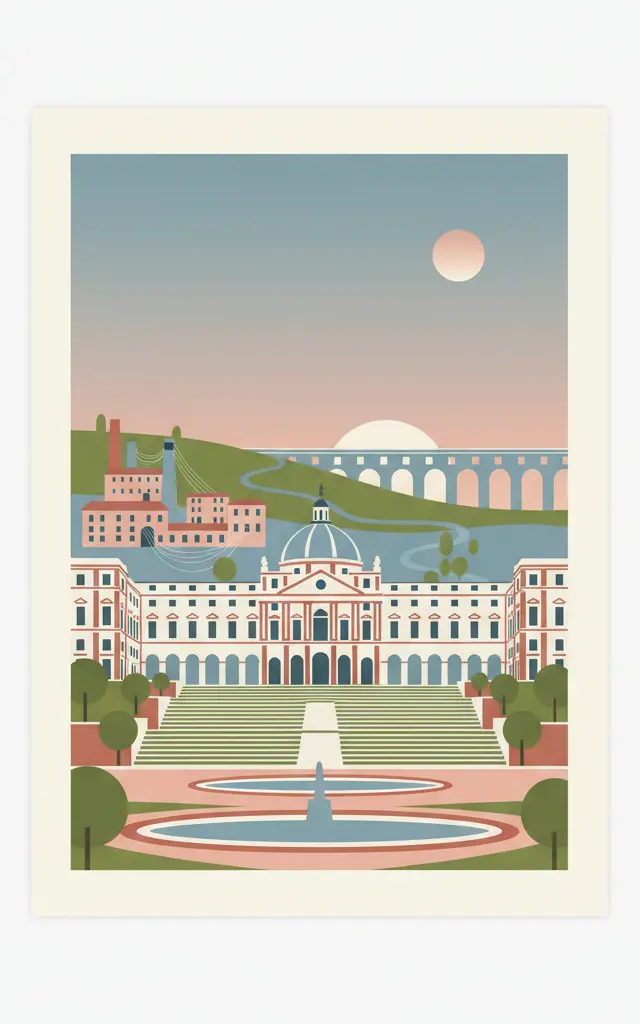
| 18th-Century Royal Palace at Caserta with the Park, the Aqueduct of Vanvitelli, and the San Leucio ComplexThe monumental complex at Caserta, created by the Bourbon king Charles III in the mid-18th century to rival Versailles… | 1997 | Cultural | The monumental complex at Caserta, created by the Bourbon king Charles III in the mid-18th century to rival Versailles and the Royal Palace in… |
| Ancient and Primeval Beech Forests of the Carpathians and Other Regions of EuropeThis transnational property includes 93 component parts in 18 countries. | 2007 | Natural | This transnational property includes 93 component parts in 18 countries. |
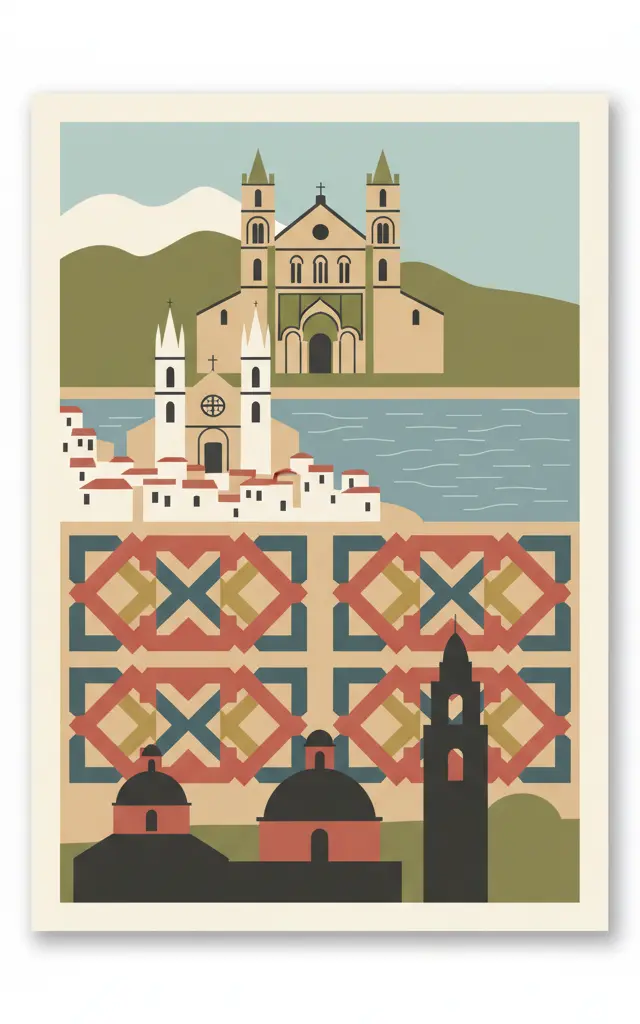
| Arab-Norman Palermo and the Cathedral Churches of Cefalú and MonrealeLocated on the northern coast of Sicily, Arab-Norman Palermo includes a series of nine civil and religious structures… | 2015 | Cultural | Located on the northern coast of Sicily, Arab-Norman Palermo includes a series of nine civil and religious structures dating from the era of the… |
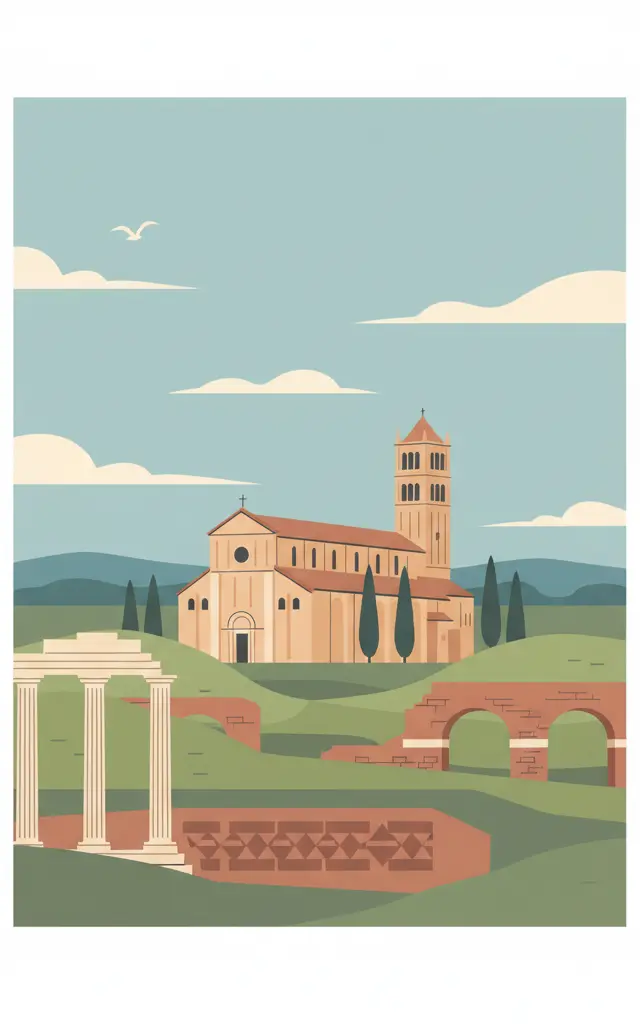
| Archaeological Area and the Patriarchal Basilica of AquileiaAquileia (in Friuli-Venezia Giulia), one of the largest and wealthiest cities of the Early Roman Empire, was destroyed… | 1998 | Cultural | Aquileia (in Friuli-Venezia Giulia), one of the largest and wealthiest cities of the Early Roman Empire, was destroyed by Attila in the mid-5th… |
| Archaeological Area of AgrigentoFounded as a Greek colony in the 6th century B.C., Agrigento became one of the leading cities in the Mediterranean… | 1997 | Cultural | Founded as a Greek colony in the 6th century B.C., Agrigento became one of the leading cities in the Mediterranean world. |
| Archaeological Areas of Pompei, Herculaneum and Torre AnnunziataWhen Vesuvius erupted on 24 August AD 79, it engulfed the two flourishing Roman towns of Pompei and Herculaneum, as well. | 1997 | Cultural | When Vesuvius erupted on 24 August AD 79, it engulfed the two flourishing Roman towns of Pompei and Herculaneum, as well. |
| Assisi, the Basilica of San Francesco and Other Franciscan SitesAssisi, the Basilica of San Francesco and Other Franciscan Sites — UNESCO World Heritage Site. | 2000 | Cultural | Assisi, the Basilica of San Francesco and Other Franciscan Sites — UNESCO World Heritage Site. |
| Botanical Garden (Orto Botanico), PaduaBotanical Garden (Orto Botanico), Padua — UNESCO World Heritage Site. | 1997 | Cultural | Botanical Garden (Orto Botanico), Padua — UNESCO World Heritage Site. |
| Castel del MonteCastel del Monte — UNESCO World Heritage Site. | 1996 | Cultural | Castel del Monte — UNESCO World Heritage Site. |
| Cathedral, Torre Civica and Piazza Grande, ModenaCathedral, Torre Civica and Piazza Grande, Modena — UNESCO World Heritage Site. | 1997 | Cultural | Cathedral, Torre Civica and Piazza Grande, Modena — UNESCO World Heritage Site. |
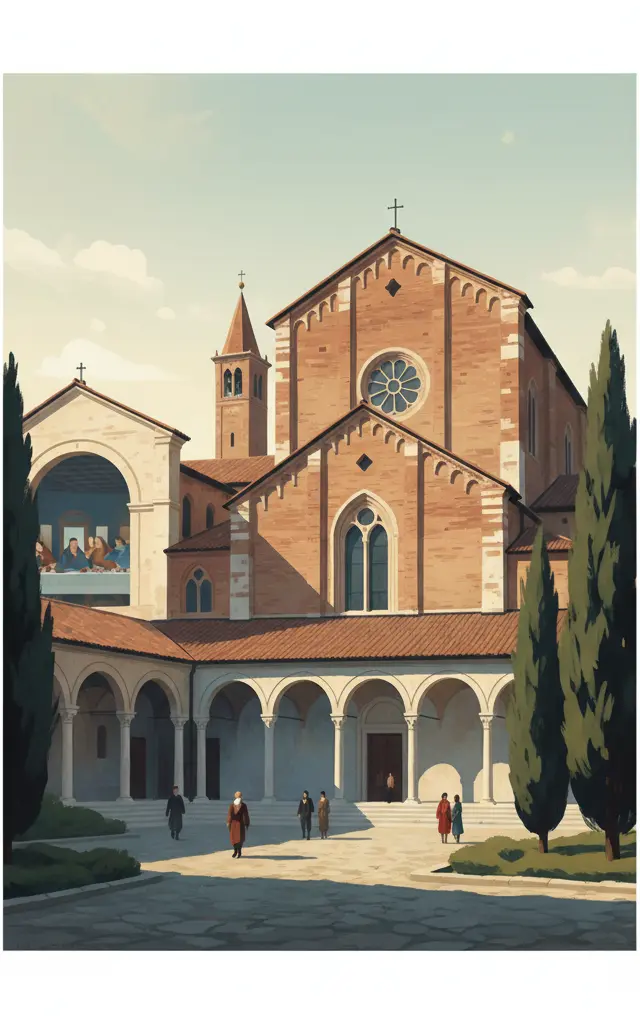
| Church and Dominican Convent of Santa Maria delle Grazie with “The Last Supper” by Leonardo da VinciThe refectory of the Convent of Santa Maria delle Grazie forms an integral part of this architectural complex, begun in… | 1980 | Cultural | The refectory of the Convent of Santa Maria delle Grazie forms an integral part of this architectural complex, begun in Milan in 1463 and re. |
| Cilento and Vallo di Diano National Park with the Archeological Sites of Paestum and Velia, and the Certosa di PadulaThe Cilento is an outstanding cultural landscape. | 1998 | Cultural | The Cilento is an outstanding cultural landscape. |
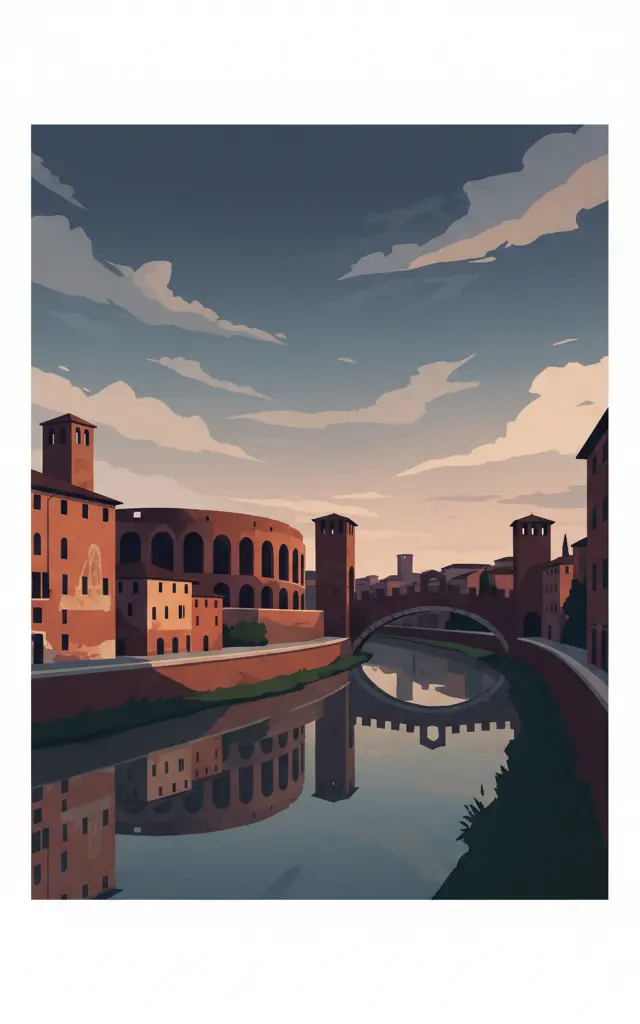
| City of VeronaThe historic city of Verona was founded in the 1st century B. | 2000 | Cultural | The historic city of Verona was founded in the 1st century B. |
| City of Vicenza and the Palladian Villas of the VenetoCity of Vicenza and the Palladian Villas of the Veneto — UNESCO World Heritage Site. | 1994 | Cultural | City of Vicenza and the Palladian Villas of the Veneto — UNESCO World Heritage Site. |
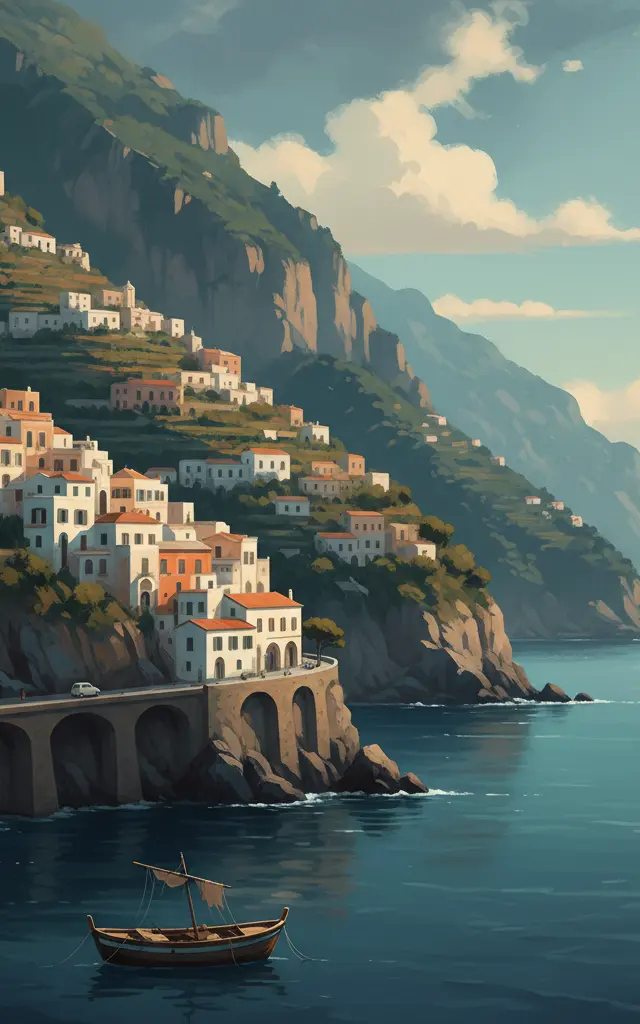
| Costiera AmalfitanaThe Amalfi coast is an area of great physical beauty and natural diversity. | 1997 | Cultural | The Amalfi coast is an area of great physical beauty and natural diversity. |
| Crespi d'AddaCrespi d'Adda — UNESCO World Heritage Site. | 1995 | Cultural | Crespi d'Adda — UNESCO World Heritage Site. |
| Early Christian Monuments of RavennaEarly Christian Monuments of Ravenna — UNESCO World Heritage Site. | 1996 | Cultural | Early Christian Monuments of Ravenna — UNESCO World Heritage Site. |
| Etruscan Necropolises of Cerveteri and TarquiniaEtruscan Necropolises of Cerveteri and Tarquinia — UNESCO World Heritage Site. | 2004 | Cultural | Etruscan Necropolises of Cerveteri and Tarquinia — UNESCO World Heritage Site. |
| Evaporitic Karst and Caves of Northern ApenninesEvaporitic Karst and Caves of Northern Apennines — UNESCO World Heritage Site. | 2023 | Natural | Evaporitic Karst and Caves of Northern Apennines — UNESCO World Heritage Site. |
| Ferrara, City of the Renaissance, and its Po DeltaFerrara, City of the Renaissance, and its Po Delta — UNESCO World Heritage Site. | 1995 | Cultural | Ferrara, City of the Renaissance, and its Po Delta — UNESCO World Heritage Site. |
| Funerary Tradition in the Prehistory of Sardinia – The domus de janasFunerary Tradition in the Prehistory of Sardinia – <em>The domus de janas</em> — UNESCO World Heritage Site. | 2025 | Cultural | Funerary Tradition in the Prehistory of Sardinia – <em>The domus de janas</em> — UNESCO World Heritage Site. |
| Genoa: Le Strade Nuove and the system of the Palazzi dei RolliGenoa: <i>Le Strade Nuove</i> and the system of the<i> Palazzi dei Rolli</i> — UNESCO World Heritage Site. | 2006 | Cultural | Genoa: <i>Le Strade Nuove</i> and the system of the<i> Palazzi dei Rolli</i> — UNESCO World Heritage Site. |
| Historic Centre of FlorenceBuilt on the site of an Etruscan settlement, Florence, the symbol of the Renaissance, rose to economic and cultural pre-. | 1982 | Cultural | Built on the site of an Etruscan settlement, Florence, the symbol of the Renaissance, rose to economic and cultural pre-. |
| Historic Centre of NaplesHistoric Centre of Naples — UNESCO World Heritage Site. | 1995 | Cultural | Historic Centre of Naples — UNESCO World Heritage Site. |
| Historic Centre of Rome, the Properties of the Holy See in that City Enjoying Extraterritorial Rights and San Paolo Fuori le MuraFounded, according to legend, by Romulus and Remus in 753 BC, Rome was first the centre of the Roman Republic, then of… | 1980 | Cultural | Founded, according to legend, by Romulus and Remus in 753 BC, Rome was first the centre of the Roman Republic, then of the Roman Empire, and it… |
| Historic Centre of San GimignanoHistoric Centre of San Gimignano — UNESCO World Heritage Site. | 1990 | Cultural | Historic Centre of San Gimignano — UNESCO World Heritage Site. |
| Historic Centre of SienaSiena is the embodiment of a medieval city. | 1995 | Cultural | Siena is the embodiment of a medieval city. |
| Historic Centre of the City of PienzaHistoric Centre of the City of Pienza — UNESCO World Heritage Site. | 1996 | Cultural | Historic Centre of the City of Pienza — UNESCO World Heritage Site. |
| Historic Centre of UrbinoHistoric Centre of Urbino — UNESCO World Heritage Site. | 1998 | Cultural | Historic Centre of Urbino — UNESCO World Heritage Site. |
| Isole Eolie (Aeolian Islands)Isole Eolie (Aeolian Islands) — UNESCO World Heritage Site. | 2000 | Natural | Isole Eolie (Aeolian Islands) — UNESCO World Heritage Site. |
| Ivrea, industrial city of the 20th centuryIvrea, industrial city of the 20th century — UNESCO World Heritage Site. | 2018 | Cultural | Ivrea, industrial city of the 20th century — UNESCO World Heritage Site. |
| Late Baroque Towns of the Val di Noto (South-Eastern Sicily)Late Baroque Towns of the Val di Noto (South-Eastern Sicily) — UNESCO World Heritage Site. | 2002 | Cultural | Late Baroque Towns of the Val di Noto (South-Eastern Sicily) — UNESCO World Heritage Site. |
| Le Colline del Prosecco di Conegliano e ValdobbiadeneLe Colline del Prosecco di Conegliano e Valdobbiadene — UNESCO World Heritage Site. | 2019 | Cultural | Le Colline del Prosecco di Conegliano e Valdobbiadene — UNESCO World Heritage Site. |
| Longobards in Italy. Places of the Power (568-774 A.D.)Longobards in Italy. Places of the Power (568-774 A.D.) — UNESCO World Heritage Site. | 2011 | Cultural | Longobards in Italy. Places of the Power (568-774 A.D.) — UNESCO World Heritage Site. |
| Mantua and SabbionetaMantua and Sabbioneta — UNESCO World Heritage Site. | 2008 | Cultural | Mantua and Sabbioneta — UNESCO World Heritage Site. |
| Medici Villas and Gardens in TuscanyMedici Villas and Gardens in Tuscany — UNESCO World Heritage Site. | 2013 | Cultural | Medici Villas and Gardens in Tuscany — UNESCO World Heritage Site. |
| Monte San GiorgioThe pyramid-shaped, wooded mountain of Monte San Giorgio beside Lake Lugano is regarded as the best fossil rec. | 2003 | Natural | The pyramid-shaped, wooded mountain of Monte San Giorgio beside Lake Lugano is regarded as the best fossil rec. |
| Mount EtnaMount Etna — UNESCO World Heritage Site. | 2013 | Natural | Mount Etna — UNESCO World Heritage Site. |
| Padua’s fourteenth-century fresco cyclesPadua’s fourteenth-century fresco cycles — UNESCO World Heritage Site. | 2021 | Cultural | Padua’s fourteenth-century fresco cycles — UNESCO World Heritage Site. |
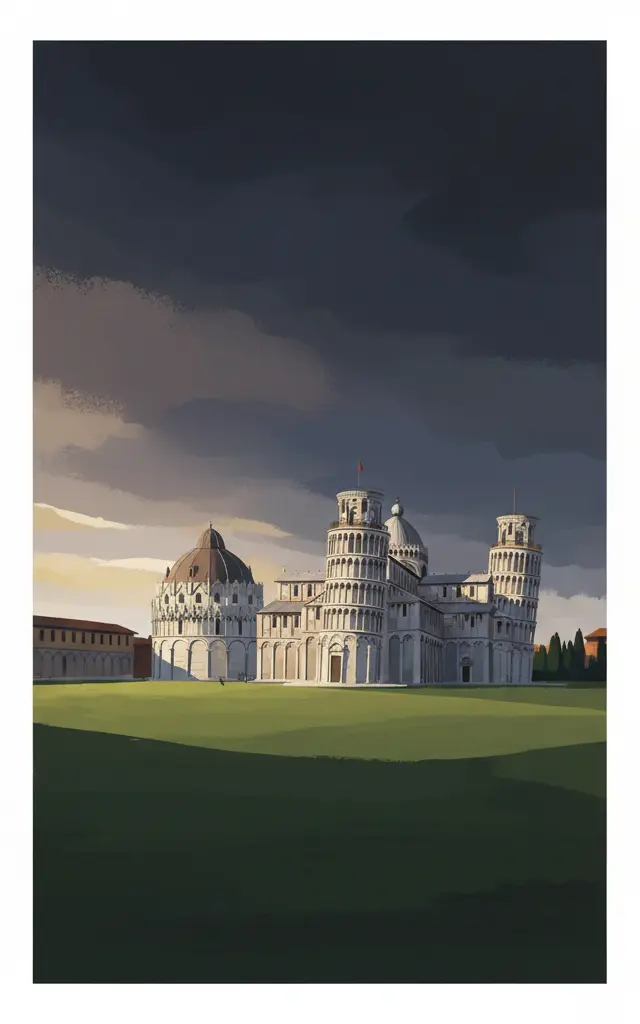
| Piazza del Duomo, PisaStanding in a large green expanse, Piazza del Duomo houses a group of monuments known the world over. | 1987 | Cultural | Standing in a large green expanse, Piazza del Duomo houses a group of monuments known the world over. |
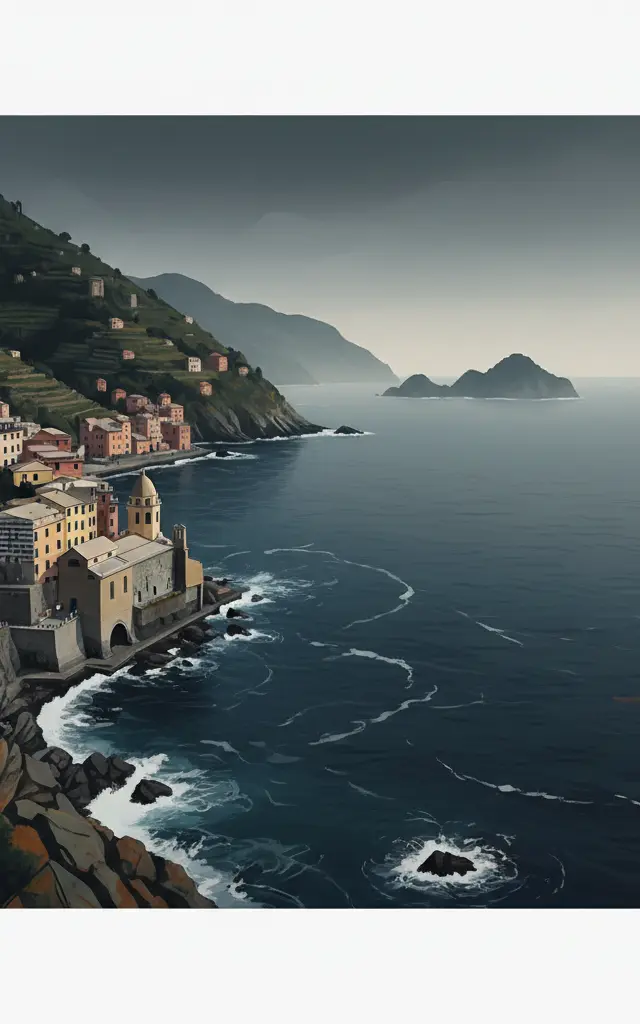
| Portovenere, Cinque Terre, and the Islands (Palmaria, Tino and Tinetto)The Ligurian coast between Cinque Terre and Portovenere is a cultural landscape of great scenic and cultural value. | 1997 | Cultural | The Ligurian coast between Cinque Terre and Portovenere is a cultural landscape of great scenic and cultural value. |
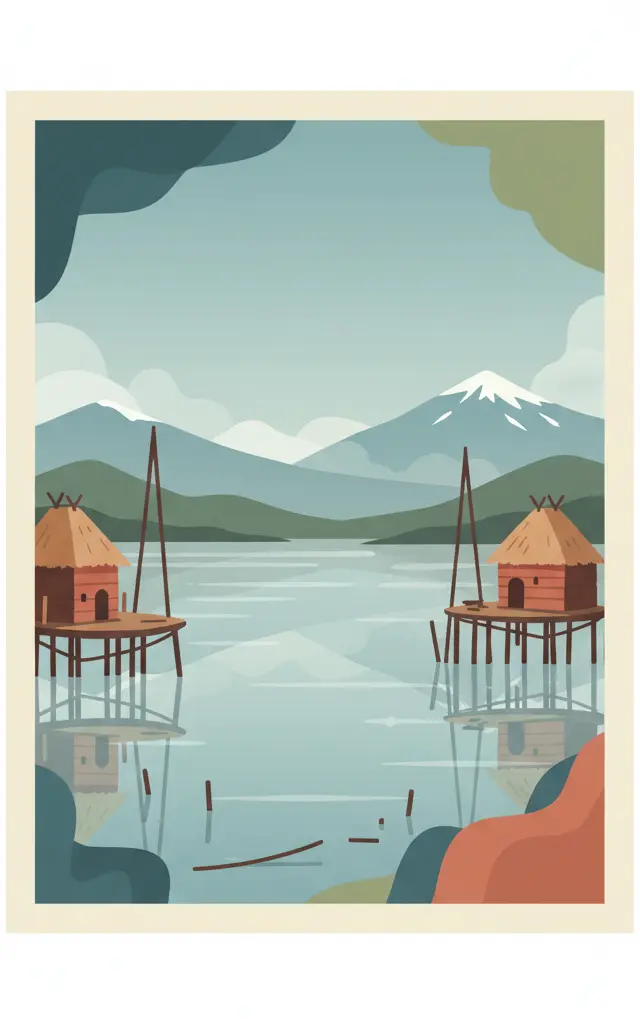
| Prehistoric Pile Dwellings around the AlpsThis serial property of 111 small individual sites encompasses the remains of prehistoric pile-dwelling (or stilt… | 2011 | Cultural | This serial property of 111 small individual sites encompasses the remains of prehistoric pile-dwelling (or stilt house) settlements in and around… |
| Residences of the Royal House of SavoyResidences of the Royal House of Savoy — UNESCO World Heritage Site. | 1997 | Cultural | Residences of the Royal House of Savoy — UNESCO World Heritage Site. |
| Rhaetian Railway in the Albula / Bernina LandscapesRhaetian Railway in the Albula / Bernina Landscapes, brings together two historic railway lines that cross the Swiss… | 2008 | Cultural | Rhaetian Railway in the Albula / Bernina Landscapes, brings together two historic railway lines that cross the Swiss Alps through two passes. |
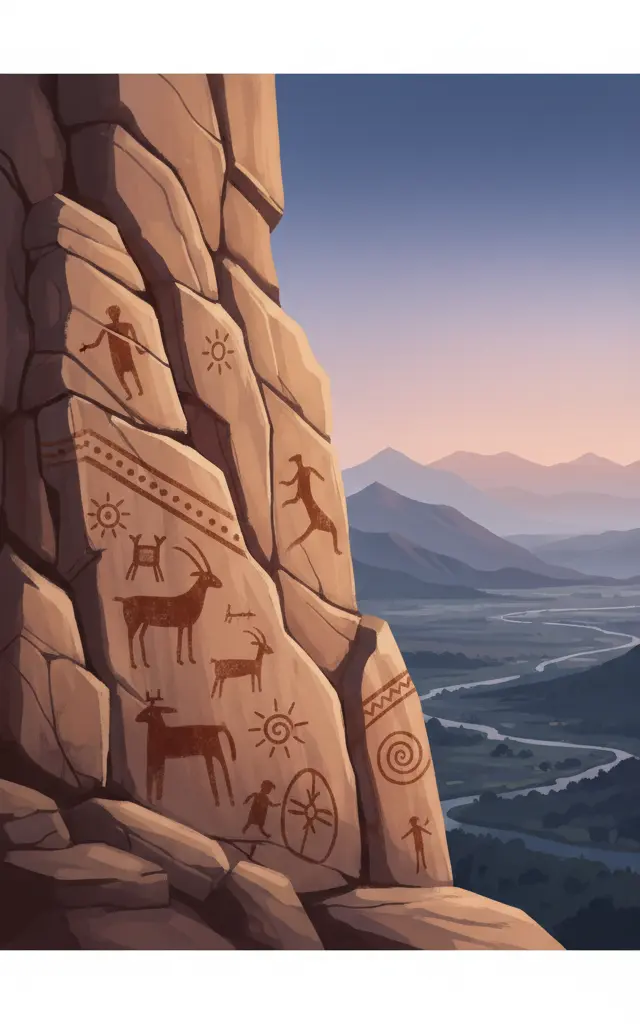
| Rock Drawings in ValcamonicaValcamonica, situated in the Lombardy plain, has one of the world's greatest collections of prehistoric petroglyphs –… | 1979 | Cultural | Valcamonica, situated in the Lombardy plain, has one of the world's greatest collections of prehistoric petroglyphs – more than 140,000 symb. |
| Rome & ColosseumEternal city of emperors and popes. | 1980 | Cultural | Eternal city of emperors and popes. |
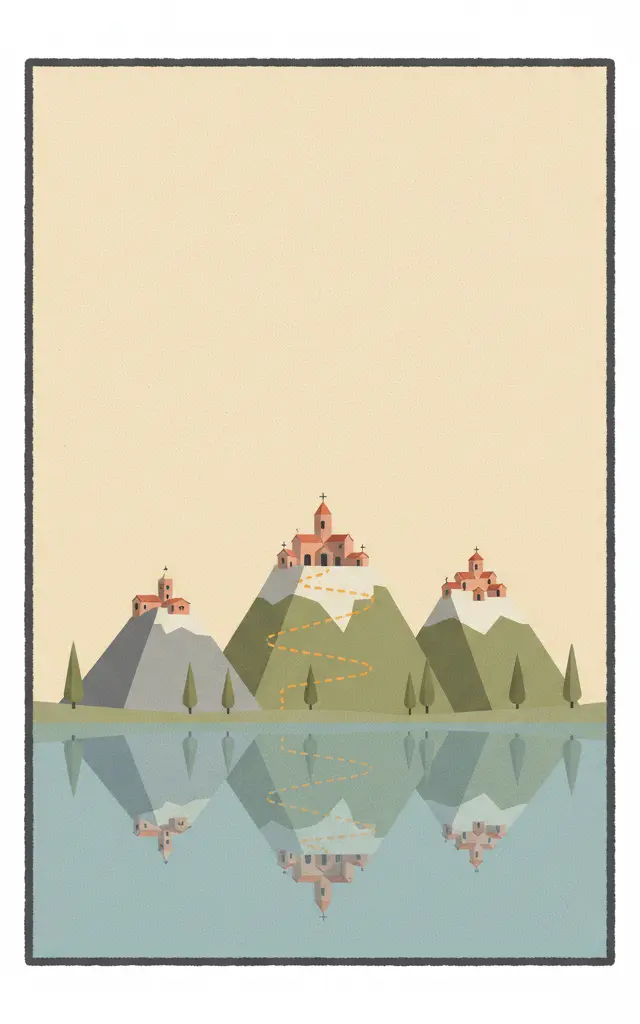
| Sacri Monti of Piedmont and Lombardy<I>Sacri Monti</I> of Piedmont and Lombardy — UNESCO World Heritage Site. | 2003 | Cultural | <I>Sacri Monti</I> of Piedmont and Lombardy — UNESCO World Heritage Site. |
| Su Nuraxi di BaruminiSu Nuraxi di Barumini — UNESCO World Heritage Site. | 1997 | Cultural | Su Nuraxi di Barumini — UNESCO World Heritage Site. |
| Syracuse and the Rocky Necropolis of PantalicaSyracuse and the Rocky Necropolis of Pantalica — UNESCO World Heritage Site. | 2005 | Cultural | Syracuse and the Rocky Necropolis of Pantalica — UNESCO World Heritage Site. |
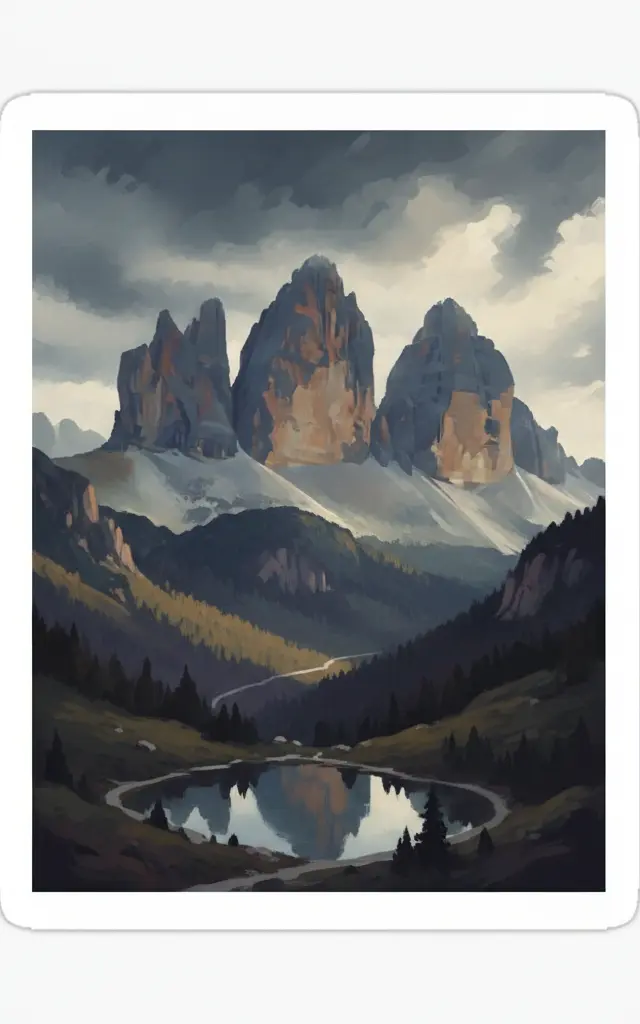
| The DolomitesThe site of the Dolomites comprises a mountain range in the northern Italian Alps, numbering 18 peaks which rise to abov. | 2009 | Natural | The site of the Dolomites comprises a mountain range in the northern Italian Alps, numbering 18 peaks which rise to abov. |
| The Great Spa Towns of EuropeThis transnational serial property comprises eleven spa towns, located in seven European countries: Baden bei Wien… | 2021 | Cultural | This transnational serial property comprises eleven spa towns, located in seven European countries: Baden bei Wien (Austria); Spa (Belgium)… |
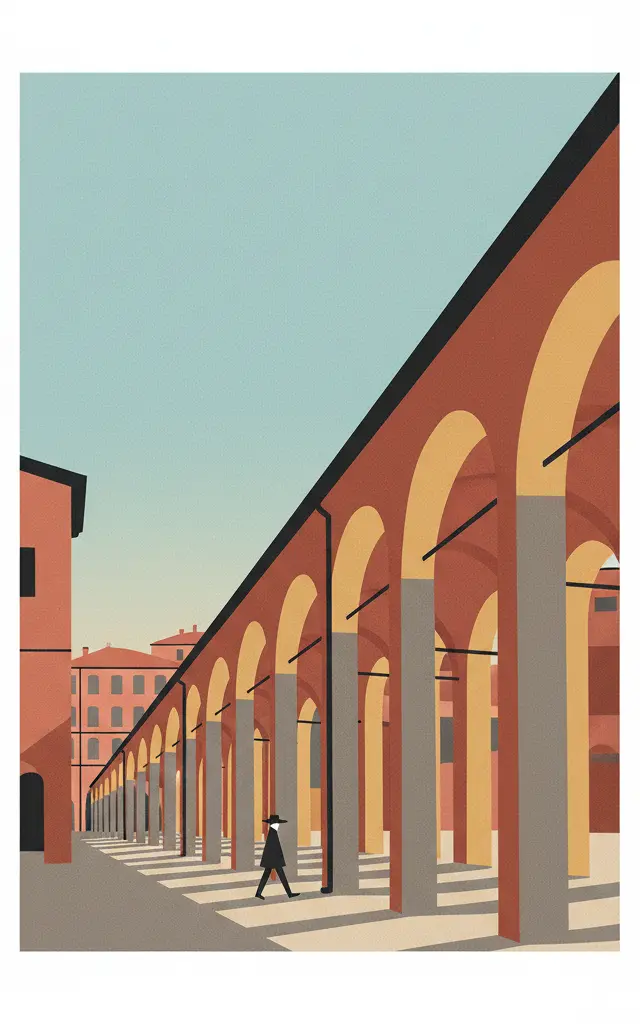
| The Porticoes of BolognaThe Porticoes of Bologna — UNESCO World Heritage Site. | 2021 | Cultural | The Porticoes of Bologna — UNESCO World Heritage Site. |
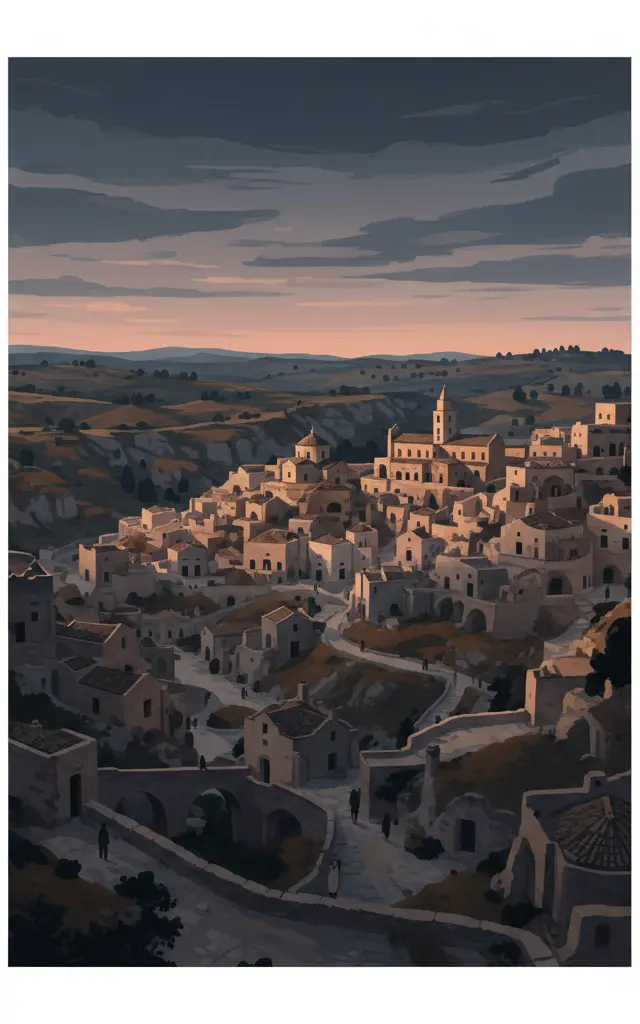
| The Sassi and the Park of the Rupestrian Churches of MateraThis is the most outstanding, intact example of a troglodyte settlement in the Mediterranean region, perfectly adapted t. | 1993 | Cultural | This is the most outstanding, intact example of a troglodyte settlement in the Mediterranean region, perfectly adapted t. |
| The Trulli of AlberobelloThe <I>Trulli</I> of Alberobello — UNESCO World Heritage Site. | 1996 | Cultural | The <I>Trulli</I> of Alberobello — UNESCO World Heritage Site. |
| Val d'OrciaThe landscape of Val d’Orcia is part of the agricultural hinterland of Siena, redrawn and developed when it was integrat. | 2004 | Cultural | The landscape of Val d’Orcia is part of the agricultural hinterland of Siena, redrawn and developed when it was integrat. |
| Venetian Works of Defence between the 16th and 17th Centuries: Stato da Terra – Western Stato da MarThis property consists of 6 components of defence works in Italy, Croatia and Montenegro, spanning more than 1,000 km… | 2017 | Cultural | This property consists of 6 components of defence works in Italy, Croatia and Montenegro, spanning more than 1,000 km between the Lombard region of… |
| Venice & LagoonA city built on water. | 1987 | Cultural | A city built on water. |
| Venice and its LagoonVenice and its Lagoon — UNESCO World Heritage Site. | 1987 | Cultural | Venice and its Lagoon — UNESCO World Heritage Site. |
| Via Appia. Regina ViarumVia Appia. <em>Regina Viarum</em> — UNESCO World Heritage Site. | 2024 | Cultural | Via Appia. <em>Regina Viarum</em> — UNESCO World Heritage Site. |
| Villa Adriana (Tivoli)Villa Adriana (Tivoli) — UNESCO World Heritage Site. | 1999 | Cultural | Villa Adriana (Tivoli) — UNESCO World Heritage Site. |
| Villa d'Este, TivoliVilla d'Este, Tivoli — UNESCO World Heritage Site. | 2001 | Cultural | Villa d'Este, Tivoli — UNESCO World Heritage Site. |
| Villa Romana del CasaleVilla Romana del Casale — UNESCO World Heritage Site. | 1997 | Cultural | Villa Romana del Casale — UNESCO World Heritage Site. |
| Vineyard Landscape of Piedmont: Langhe-Roero and MonferratoVineyard Landscape of Piedmont: Langhe-Roero and Monferrato — UNESCO World Heritage Site. | 2014 | Cultural | Vineyard Landscape of Piedmont: Langhe-Roero and Monferrato — UNESCO World Heritage Site. |