Europe
UNESCO World Heritage Sites in Poland
Polish World Heritage Sites · UNESCO sites in Poland map · historical landmarks in Poland
Poland has 16 sites on the UNESCO World Heritage List — 15 cultural and 1 natural inscriptions, inscribed between 1978 and 2019. This map of UNESCO sites in Poland covers every listing, with a short description, the inscription year and the nearest airports — the fastest way to see the country's most important historical sites and landmarks in one place.
Polish World Heritage Sites range from Ancient and Primeval Beech Forests of the Carpathians and Other Regions of Europe onwards; Historic Centre of Kraków was the country's first inscription, added in 1978; Krzemionki Prehistoric Striped Flint Mining Region is the most recent, listed in 2019; recurring threads across the list include ancient civilizations.
3 inscriptions are transnational, shared with neighbouring countries: Ancient and Primeval Beech Forests of the Carpathians and Other Regions of Europe, Muskauer Park / Park Mużakowski and Wooden Tserkvas of the Carpathian Region in Poland and Ukraine. Start with Ancient and Primeval Beech Forests of the Carpathians and Other Regions of Europe, Auschwitz Birkenau German Nazi Concentration and Extermination Camp (1940-1945) and Castle of the Teutonic Order in Malbork, then use the map above to plan a route between the rest.
- Sites
- 16
- Cultural
- 15
- Natural
- 1
- First inscribed
- 1978
Sites on the map
Inscriptions Poland shares with other countries are not plotted here — you will find them in the list below.
Flying in
Airports closest to the most sites in this country.
- KRKBalice4 sites
- WROWrocław2 sites
- SOBSármellék1 site
- GDNGdańsk1 site
- WAWWarsaw1 site
- RDORadom1 site
Keep exploring
All 16 sites in Poland


List of UNESCO World Heritage Sites in Poland
Every inscription with its year and category. Open a site for its story, map location and nearest airports.
| Site | Year | Type | What it is |
|---|---|---|---|
| Ancient and Primeval Beech Forests of the Carpathians and Other Regions of EuropeThis transnational property includes 93 component parts in 18 countries. | 2007 | Natural | This transnational property includes 93 component parts in 18 countries. |
| Auschwitz Birkenau German Nazi Concentration and Extermination Camp (1940-1945)The fortified walls, barbed wire, platforms, barracks, gallows, gas chambers and cremation ovens show the conditions… | 1979 | Cultural | The fortified walls, barbed wire, platforms, barracks, gallows, gas chambers and cremation ovens show the conditions within which the Nazi g. |
| Castle of the Teutonic Order in MalborkThis 13th-century fortified monastery belonging to the Teutonic Order was substantially enlarged and embellish. | 1997 | Cultural | This 13th-century fortified monastery belonging to the Teutonic Order was substantially enlarged and embellish. |
| Centennial Hall in WrocławCentennial Hall in Wrocław — UNESCO World Heritage Site. | 2006 | Cultural | Centennial Hall in Wrocław — UNESCO World Heritage Site. |
| Churches of Peace in Jawor and ŚwidnicaChurches of Peace in Jawor and Świdnica — UNESCO World Heritage Site. | 2001 | Cultural | Churches of Peace in Jawor and Świdnica — UNESCO World Heritage Site. |
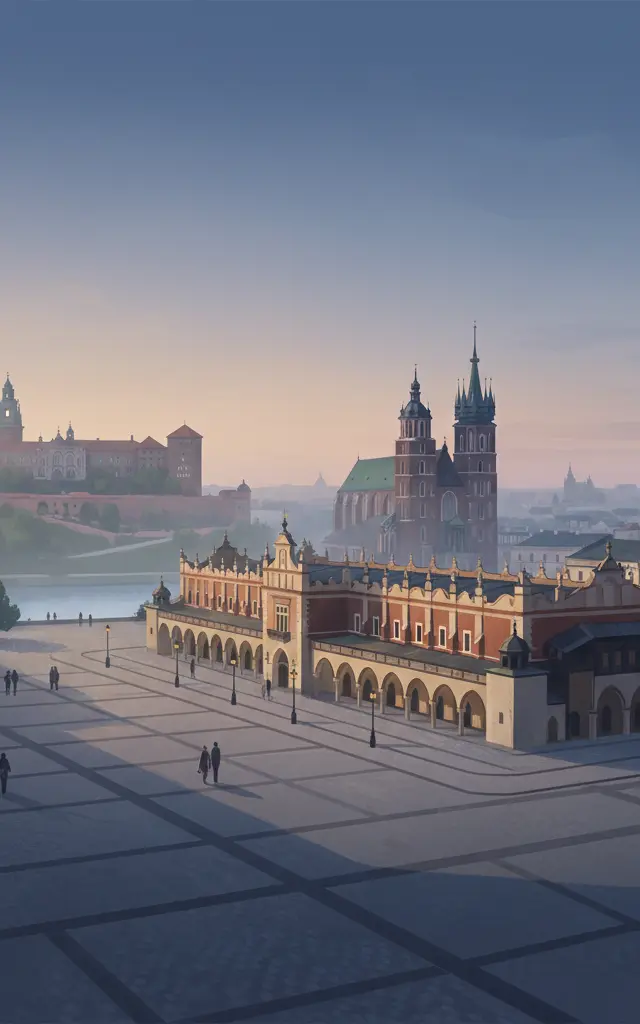
| Historic Centre of KrakówThe Historic Centre of Kraków, the former capital of Poland, is situated at the foot of the Royal Wawel Castle. | 1978 | Cultural | The Historic Centre of Kraków, the former capital of Poland, is situated at the foot of the Royal Wawel Castle. The 13th-century merchants'. |
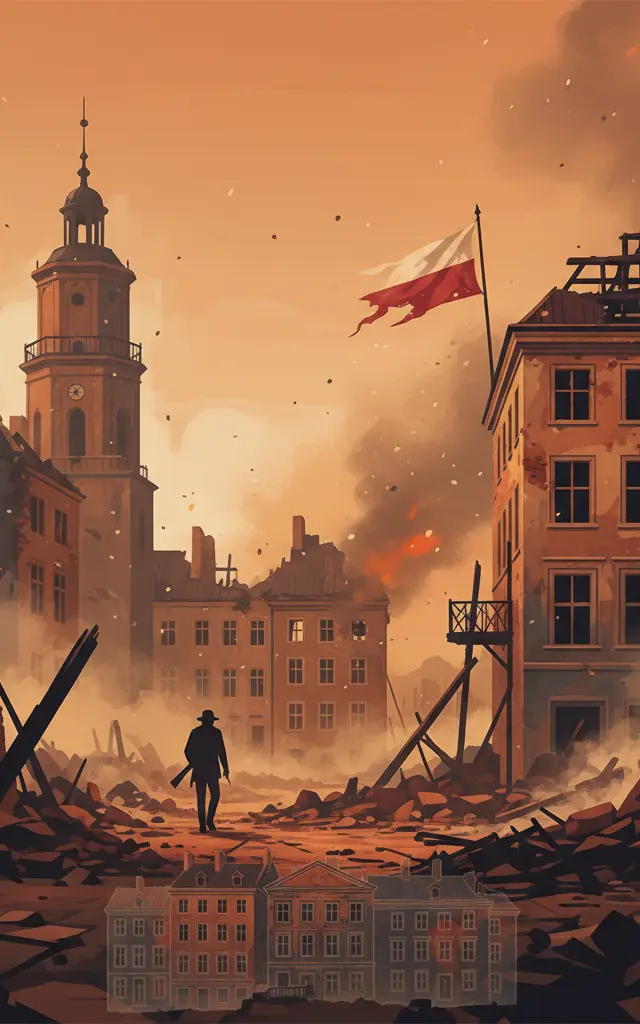
| Historic Centre of WarsawDuring the Warsaw Uprising in August 1944, more than 85% of Warsaw's historic centre was destroyed by Nazi troops. | 1980 | Cultural | During the Warsaw Uprising in August 1944, more than 85% of Warsaw's historic centre was destroyed by Nazi troops. After the war, a five-yea. |
| Kalwaria Zebrzydowska: the Mannerist Architectural and Park Landscape Complex and Pilgrimage ParkKalwaria Zebrzydowska: the Mannerist Architectural and Park Landscape Complex and Pilgrimage Park — UNESCO World… | 1999 | Cultural | Kalwaria Zebrzydowska: the Mannerist Architectural and Park Landscape Complex and Pilgrimage Park — UNESCO World Heritage Site. |
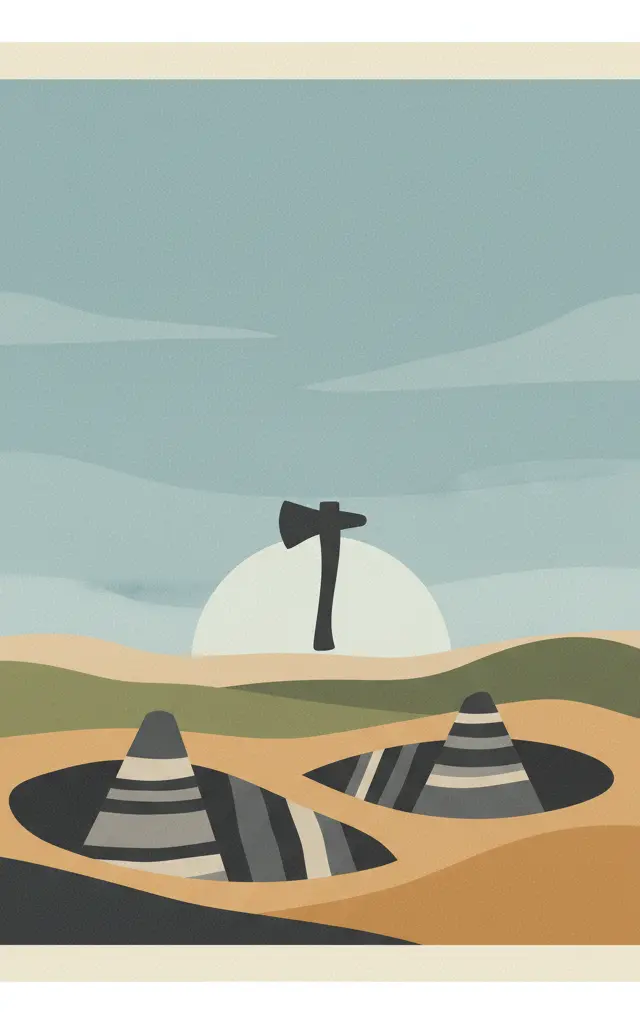
| Krzemionki Prehistoric Striped Flint Mining RegionKrzemionki Prehistoric Striped Flint Mining Region — UNESCO World Heritage Site. | 2019 | Cultural | Krzemionki Prehistoric Striped Flint Mining Region — UNESCO World Heritage Site. |
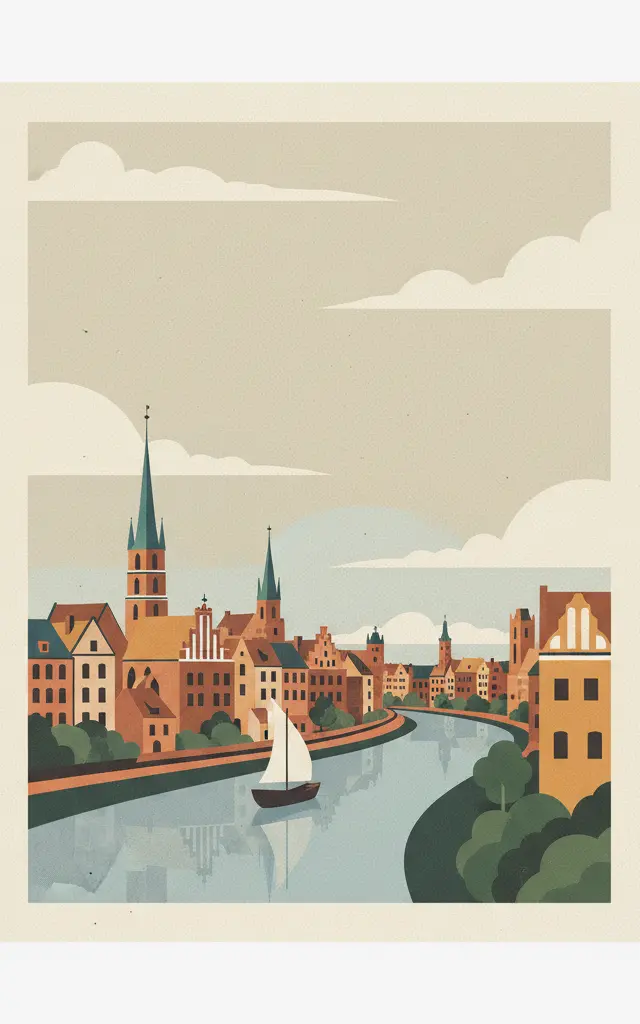
| Medieval Town of ToruńMedieval Town of Toruń — UNESCO World Heritage Site. | 1997 | Cultural | Medieval Town of Toruń — UNESCO World Heritage Site. |
| Muskauer Park / Park MużakowskiA landscaped park of 559.9 ha astride the Neisse River and the border between Poland and Germany, it was created by… | 2004 | Cultural | A landscaped park of 559.9 ha astride the Neisse River and the border between Poland and Germany, it was created by Prince Hermann von Puckler-Muskau… |
| Old City of ZamośćOld City of Zamość — UNESCO World Heritage Site. | 1992 | Cultural | Old City of Zamość — UNESCO World Heritage Site. |
| Tarnowskie Góry Lead-Silver-Zinc Mine and its Underground Water Management SystemTarnowskie Góry Lead-Silver-Zinc Mine and its Underground Water Management System — UNESCO World Heritage Site. | 2017 | Cultural | Tarnowskie Góry Lead-Silver-Zinc Mine and its Underground Water Management System — UNESCO World Heritage Site. |
| Wieliczka and Bochnia Royal Salt MinesThe deposit of rock salt in Wieliczka and Bochnia has been mined since the 13th century. | 1978 | Cultural | The deposit of rock salt in Wieliczka and Bochnia has been mined since the 13th century. This major industrial undertaking has royal status. |
| Wooden Churches of Southern MałopolskaWooden Churches of Southern Małopolska — UNESCO World Heritage Site. | 2003 | Cultural | Wooden Churches of Southern Małopolska — UNESCO World Heritage Site. |
| Wooden Tserkvas of the Carpathian Region in Poland and UkraineWooden <em>Tserkvas</em> of the Carpathian Region in Poland and Ukraine — UNESCO World Heritage Site. | 2013 | Cultural | Wooden <em>Tserkvas</em> of the Carpathian Region in Poland and Ukraine — UNESCO World Heritage Site. |
Frequently asked questions about World Heritage in Poland
- How many UNESCO World Heritage Sites are there in Poland?
- Poland has 16 UNESCO World Heritage Sites: 15 cultural and 1 natural.
- What was the first World Heritage Site in Poland?
- Historic Centre of Kraków was inscribed in 1978. The Historic Centre of Kraków, the former capital of Poland, is situated at the foot of the Royal Wawel Castle. The 13th-century merchants'.
- What is the newest World Heritage Site in Poland?
- Krzemionki Prehistoric Striped Flint Mining Region, inscribed in 2019. Krzemionki Prehistoric Striped Flint Mining Region — UNESCO World Heritage Site.
- Which sites in Poland are natural World Heritage Sites?
- 1 of the 16 listings is natural: Ancient and Primeval Beech Forests of the Carpathians and Other Regions of Europe.
- Which UNESCO sites in Poland are easiest to reach?
- Each site page lists the closest airports with distance, so you can pick the gateway city first and work outwards. The "Flying in" panel on this page shows the main gateways for Poland.
- What are the main historical sites and landmarks in Poland?
- The 16 UNESCO-listed sites above are Poland's internationally recognised historical sites and landmarks, starting with Historic Centre of Kraków (1978). Each entry links to a full page with a map, photos and travel notes.
- Is there a map of Polish World Heritage Sites?
- Yes — the map on this page plots all 16 Polish UNESCO World Heritage Sites; click any marker to open that site's page.