Europe
UNESCO World Heritage Sites in Hungary
Hungarian World Heritage Sites · UNESCO sites in Hungary map · historical landmarks in Hungary
Hungary has 8 sites on the UNESCO World Heritage List — 7 cultural and 1 natural inscriptions, inscribed between 1987 and 2002. This map of UNESCO sites in Hungary covers every listing, with a short description, the inscription year and the nearest airports — the fastest way to see the country's most important historical sites and landmarks in one place.
Hungarian World Heritage Sites range from Budapest, including the Banks of the Danube, the Buda Castle Quarter and Andrássy Avenue onwards; Budapest, including the Banks of the Danube, the Buda Castle Quarter and Andrássy Avenue was the country's first inscription, added in 1987; Tokaj Wine Region Historic Cultural Landscape is the most recent, listed in 2002.
2 inscriptions are transnational, shared with neighbouring countries: Caves of Aggtelek Karst and Slovak Karst and Fertö / Neusiedlersee Cultural Landscape. Start with Budapest, including the Banks of the Danube, the Buda Castle Quarter and Andrássy Avenue, Caves of Aggtelek Karst and Slovak Karst and Early Christian Necropolis of Pécs (Sopianae), then use the map above to plan a route between the rest.
- Sites
- 8
- Cultural
- 7
- Natural
- 1
- First inscribed
- 1987
Sites on the map
Flying in
Airports closest to the most sites in this country.
- BUDBudapest2 sites
- KSCKošice2 sites
- PEVPécs1 site
- VIEVienna1 site
- DEBDebrecen1 site
- BTSBratislava1 site
Keep exploring
All 8 sites in Hungary
List of UNESCO World Heritage Sites in Hungary
Every inscription with its year and category. Open a site for its story, map location and nearest airports.
| Site | Year | Type | What it is |
|---|---|---|---|
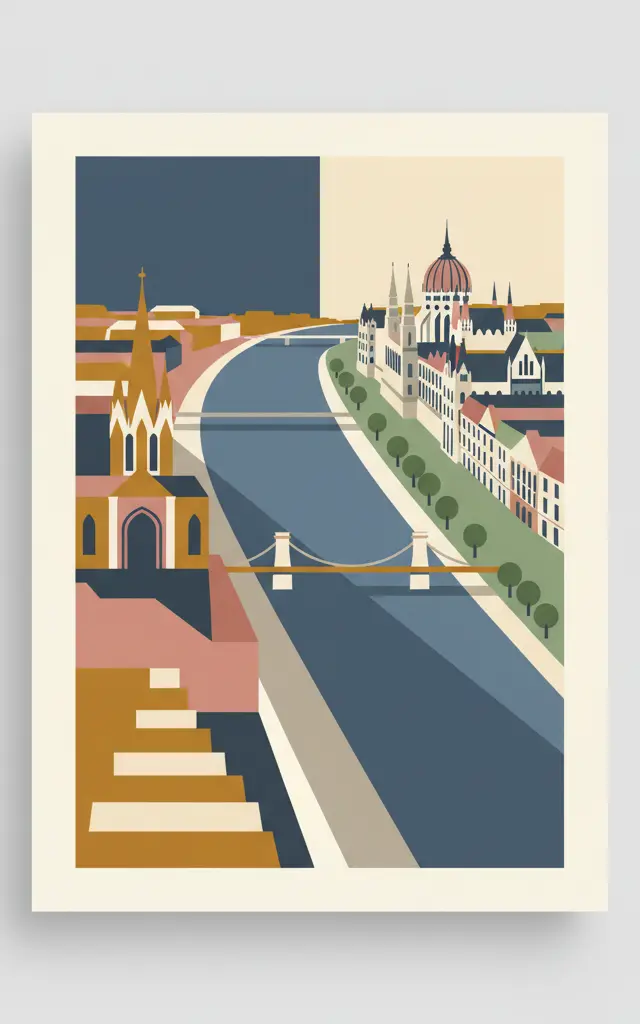
| Budapest, including the Banks of the Danube, the Buda Castle Quarter and Andrássy AvenueThis site has the remains of monuments such as the Roman city of Aquincum and the Gothic castle of Buda, which have had… | 1987 | Cultural | This site has the remains of monuments such as the Roman city of Aquincum and the Gothic castle of Buda, which have had a considerable influence on… |
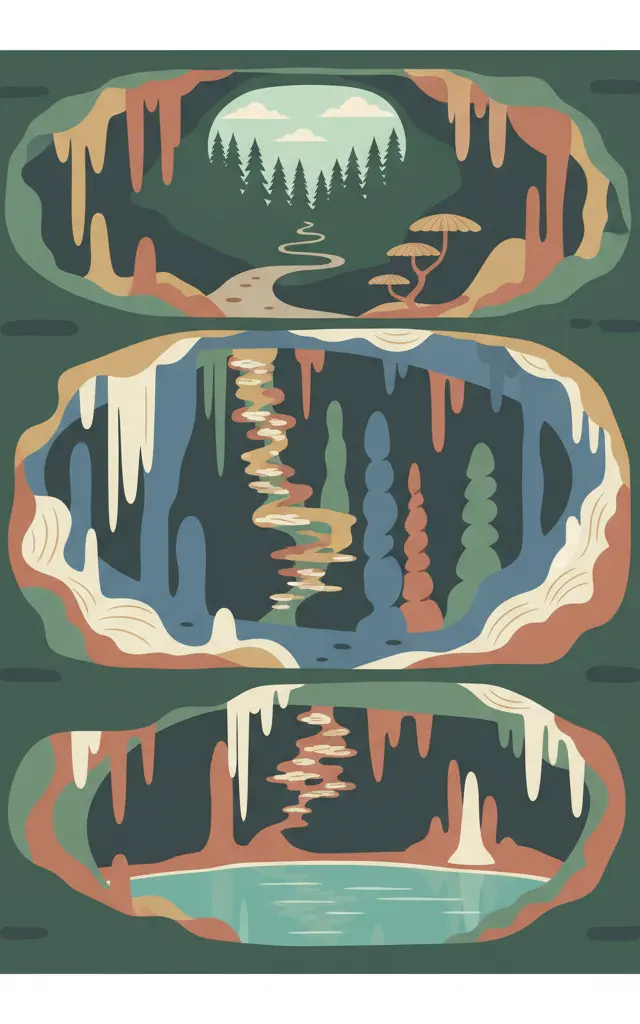
| Caves of Aggtelek Karst and Slovak KarstThe variety of formations and the fact that they are concentrated in a restricted area means that the 712 caves… | 1995 | Natural | The variety of formations and the fact that they are concentrated in a restricted area means that the 712 caves currently identified make up a… |
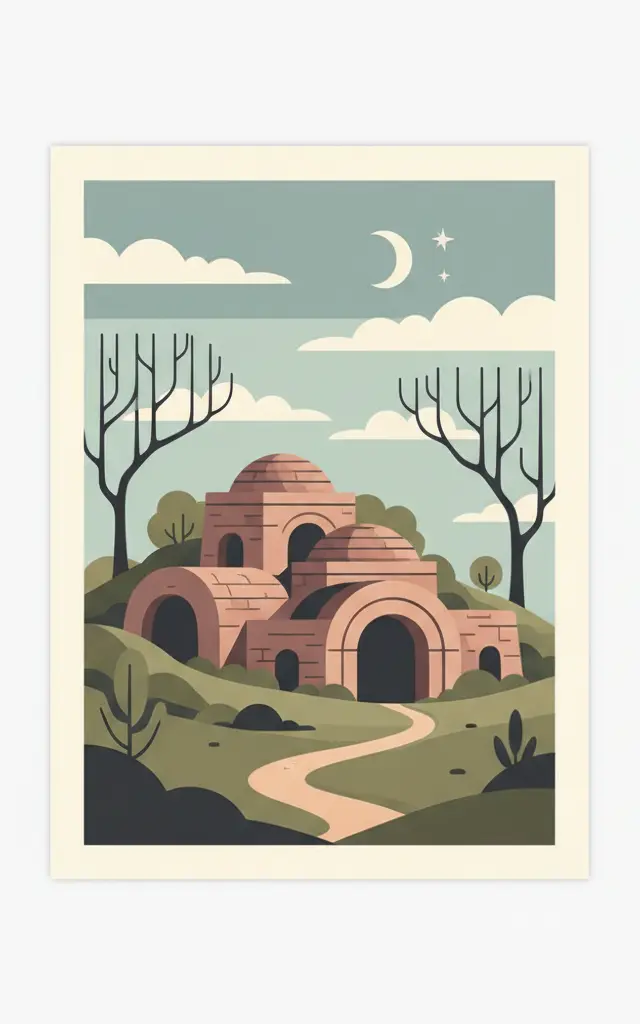
| Early Christian Necropolis of Pécs (Sopianae)In the 4th century, a remarkable series of decorated tombs were constructed in the cemetery of the Roman provincial… | 2000 | Cultural | In the 4th century, a remarkable series of decorated tombs were constructed in the cemetery of the Roman provincial town of Sopianae (modern Pécs). |
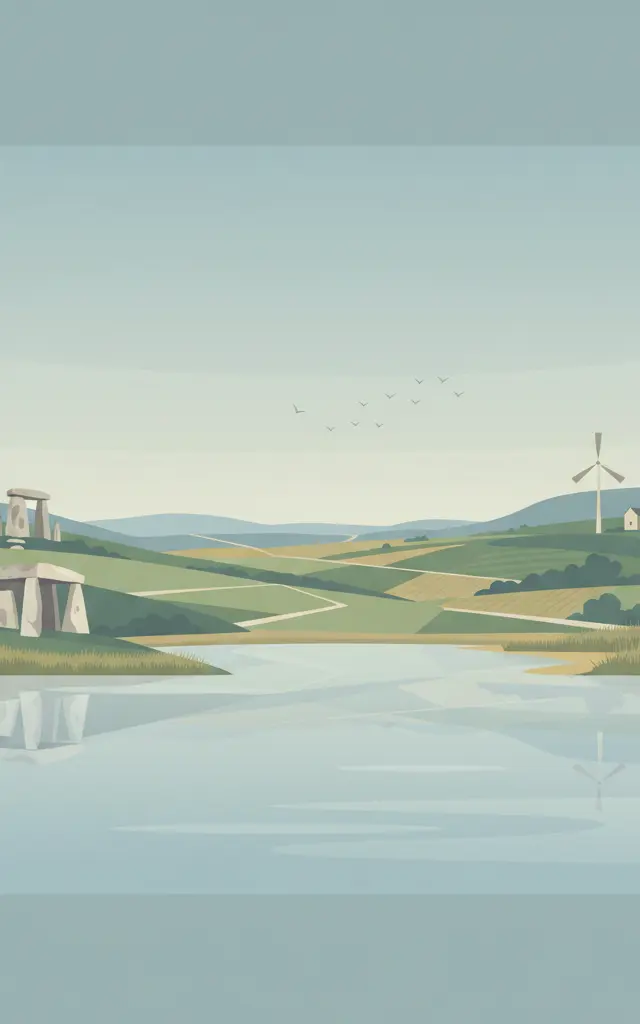
| Fertö / Neusiedlersee Cultural LandscapeThe Fertö/Neusiedler Lake area has been the meeting place of different cultures for eight millennia. | 2001 | Cultural | The Fertö/Neusiedler Lake area has been the meeting place of different cultures for eight millennia. |
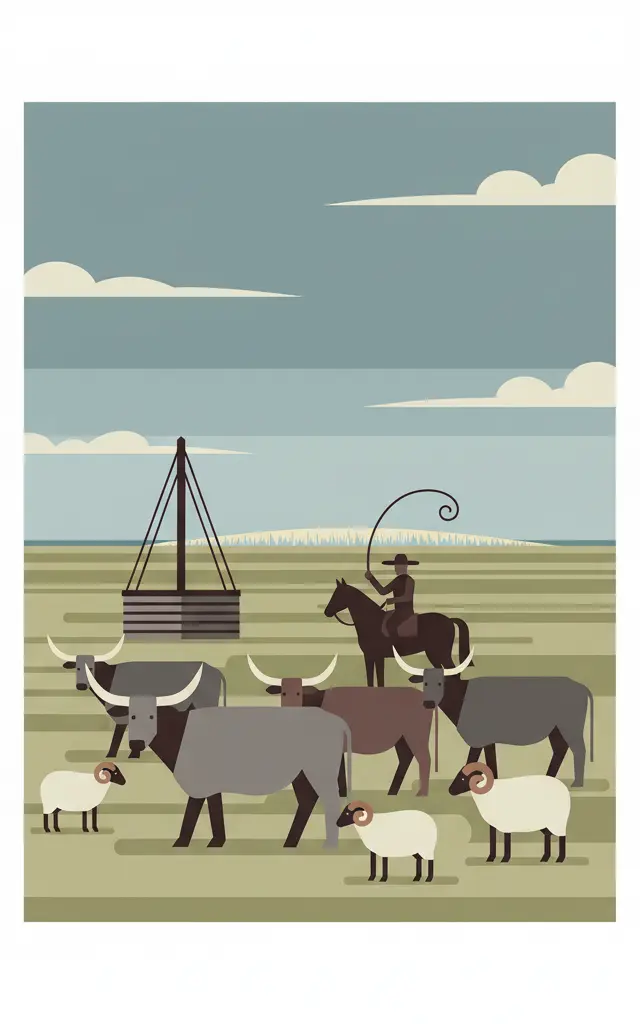
| Hortobágy National Park - the PusztaThe cultural landscape of the Hortobágy Puszta consists of a vast area of plains and wetlands in eastern Hungary. | 1999 | Cultural | The cultural landscape of the Hortobágy Puszta consists of a vast area of plains and wetlands in eastern Hungary. |
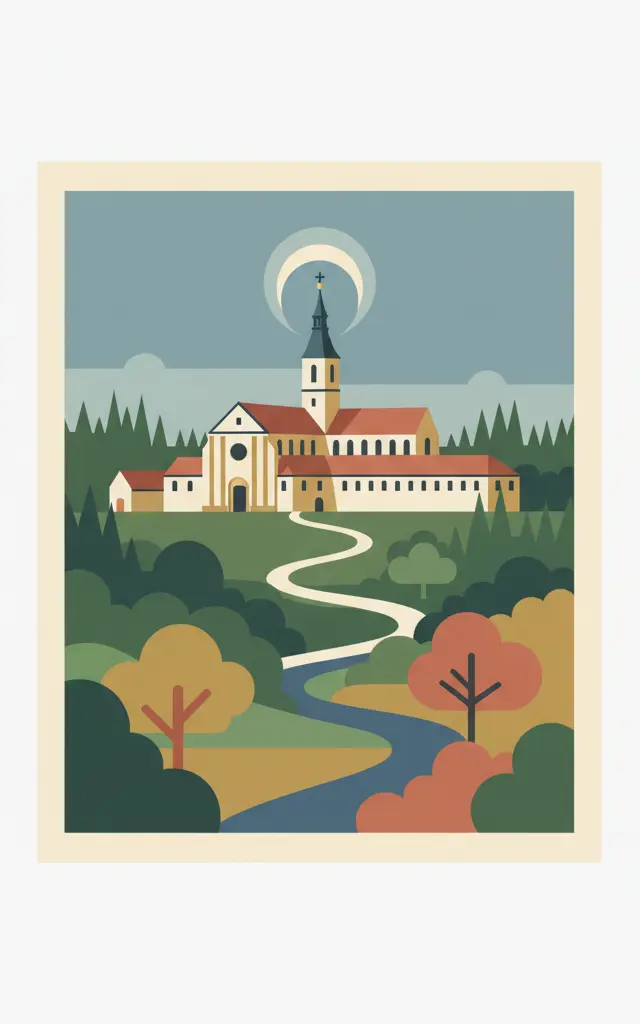
| Millenary Benedictine Abbey of Pannonhalma and its Natural EnvironmentThe first Benedictine monks settled here in 996. They went on to convert the Hungarians, to found the country's first… | 1996 | Cultural | The first Benedictine monks settled here in 996. They went on to convert the Hungarians, to found the country's first school and, in 1055, to write… |
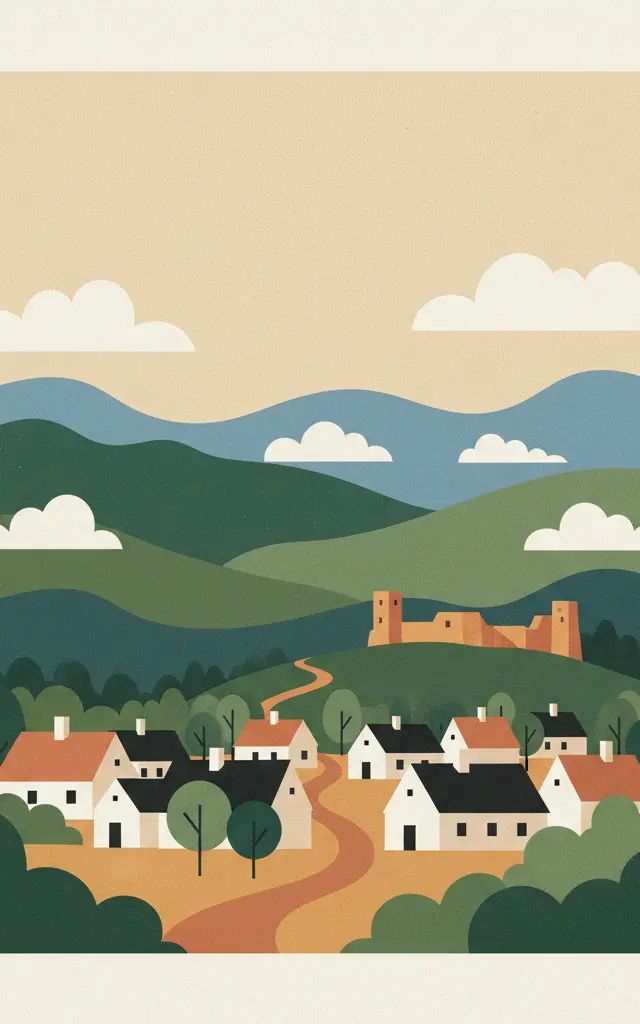
| Old Village of Hollókő and its SurroundingsHollokö is an outstanding example of a deliberately preserved traditional settlement. | 1987 | Cultural | Hollokö is an outstanding example of a deliberately preserved traditional settlement. |
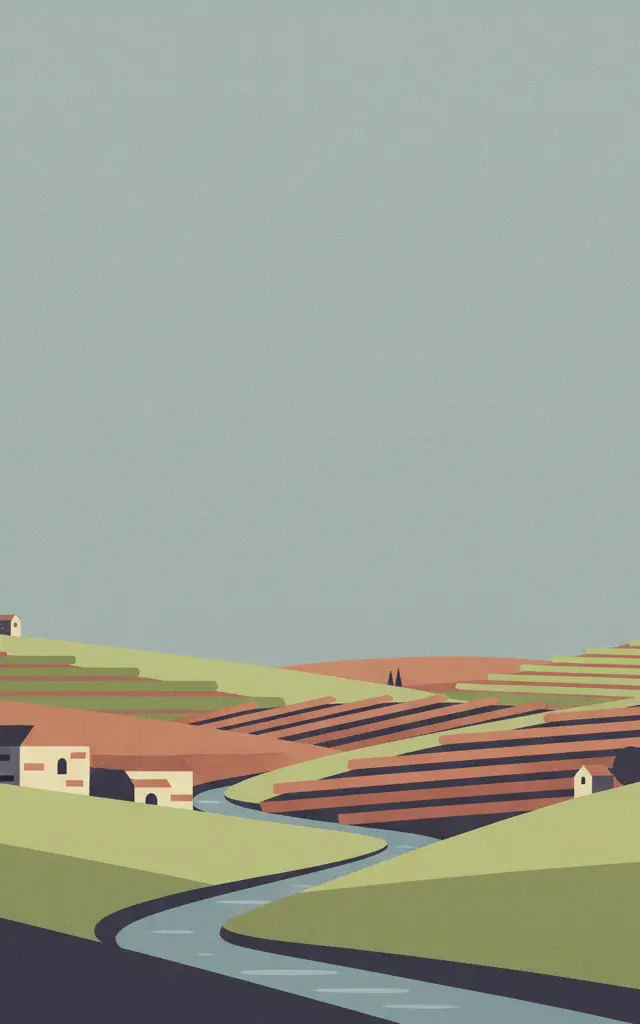
| Tokaj Wine Region Historic Cultural LandscapeThe cultural landscape of Tokaj graphically demonstrates the long tradition of wine production in this region of low… | 2002 | Cultural | The cultural landscape of Tokaj graphically demonstrates the long tradition of wine production in this region of low hills and river valleys. |
Frequently asked questions about World Heritage in Hungary
- How many UNESCO World Heritage Sites are there in Hungary?
- Hungary has 8 UNESCO World Heritage Sites: 7 cultural and 1 natural.
- What was the first World Heritage Site in Hungary?
- Budapest, including the Banks of the Danube, the Buda Castle Quarter and Andrássy Avenue was inscribed in 1987. This site has the remains of monuments such as the Roman city of Aquincum and the Gothic castle of Buda, which have had a considerable influence on the architec.
- What is the newest World Heritage Site in Hungary?
- Tokaj Wine Region Historic Cultural Landscape, inscribed in 2002. The cultural landscape of Tokaj graphically demonstrates the long tradition of wine production in this region of low hills and river valleys. The intricate patt.
- Which sites in Hungary are natural World Heritage Sites?
- 1 of the 8 listings is natural: Caves of Aggtelek Karst and Slovak Karst.
- Which UNESCO sites in Hungary are easiest to reach?
- Each site page lists the closest airports with distance, so you can pick the gateway city first and work outwards. The "Flying in" panel on this page shows the main gateways for Hungary.
- What are the main historical sites and landmarks in Hungary?
- The 8 UNESCO-listed sites above are Hungary's internationally recognised historical sites and landmarks, starting with Budapest, including the Banks of the Danube, the Buda Castle Quarter and Andrássy Avenue (1987). Each entry links to a full page with a map, photos and travel notes.
- Is there a map of Hungarian World Heritage Sites?
- Yes — the map on this page plots all 8 Hungarian UNESCO World Heritage Sites; click any marker to open that site's page.